Dream About Seeing your younger self – Meaning
Category: People
Quick interpretation
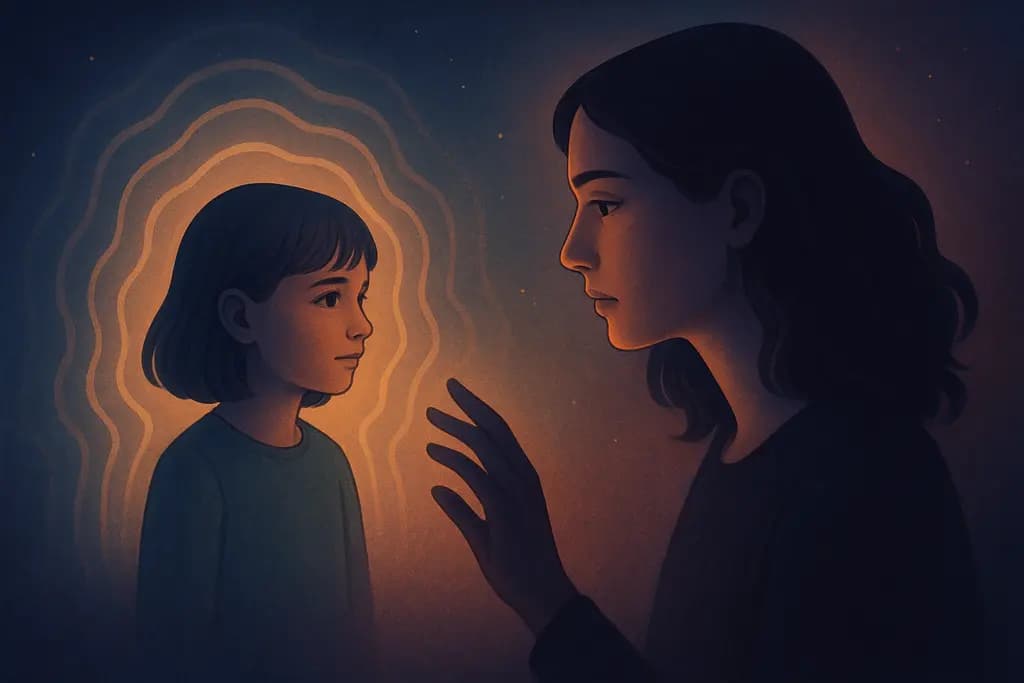
You may wake with a sudden ache or fierce protectiveness — an emotional knot that connects current stress to unfinished business from earlier years. This dream commonly represents an encounter with needs, beliefs, or strengths formed during childhood: a plea to be heard, a reminder of lost courage, or a signal that a past pattern is shaping present choices. Look at the younger self’s behavior and your immediate reaction in the dream; they map directly onto which part of your life (relationships, work, or self-care) requires attention now.
A common version of this dream
You’re standing in a dim kitchen that smells faintly of toast and lemon cleaner, and a child who looks exactly like you at nine sits at the table tracing a crayon drawing. You feel an urgent mix of tenderness and guilt — as if you should soothe them but don’t know how. Outside a rain-slick street light hums; a TV murmurs in the next room. In that small, ordinary domestic scene your chest tightens and you recognize a pressure you’ve been carrying into meetings, parenting moments, or decisions about leaving a job.
Concrete details that tend to stand out
Common vivid details include a faded school uniform, a locked bedroom door you can’t open, a rusty bicycle leaning against a porch, the sound of a lullaby, or the sudden smell of an old perfume. People often notice their pulse racing, a lump in the throat, or the child's hands stained with paint.
Emotional and symbolic meanings
- Healing and Integration. Seeing your younger self may signal that a wound from childhood is ready to be acknowledged. The image invites compassionate listening: name the hurt, allow a corrective emotional response (even in small acts today), and practice grounding exercises. This function is about closing old loops so you respond differently in present relationships.
- Regret, Apology, or Rewriting Narrative. If the younger self looks abandoned, ashamed, or anxious, the dream can reflect regret about past decisions or parenting choices. It may push you to apologize, change a story you tell about yourself, or take concrete steps to repair misunderstandings. The core task is narrative revision — replacing blame with agency.
- Reclaimed Strength or Creativity. Sometimes the child in the dream is playful, daring, or wildly imaginative. That version represents talents or boldness you set aside. The message is practical: identify one creative or courageous risk you avoided and test it in a small, manageable way at work or home to reclaim lost energy.
- Protective Impulse or Practical Boundary Signal. If you feel defensive or protective in the dream, it may be highlighting current situations where you need firmer boundaries — with a manager, partner, or family. The younger self acts as a mirror for where adult defenses are thin; consider one concrete boundary to set this week and how you’ll communicate it.
What this dream is not literally saying
This dream is rarely a literal prediction about a person you must contact or a specific future event. It does not usually mean you will literally meet your past. Instead, it points to emotional patterns, unmet needs, or inner resources; treating it as a direct forecast can distract from the psychological work it’s urging.
Cultural and symbolic views
Meanings vary across traditions and should not be treated as universal. In Western therapeutic culture this dream is usually framed around inner parts and healing; in some Indigenous contexts similar visions may link to ancestral conversations or community responsibilities; in Eastern philosophies it might be interpreted in terms of karma or ongoing consciousness. Local rituals, community elders, or trusted cultural guides can provide interpretations aligned with your background, so consider multiple perspectives without assuming a single correct reading.
Personal reflection prompts
- How old was the younger version of you and what was the most noticeable thing they were doing or needing in the dream?
- What exact emotion did you feel toward that child in the dream (guilt, protectiveness, anger, longing), and where do you feel that emotion in your body now?
- What one small, concrete action this week could honor or protect that younger part (e.g., set a boundary, start a creative task, call someone for support)?
FAQ
What should I do after this dream?
Write down the scene and feelings immediately, then pick one small, practical step to respond to what surfaced (a boundary, creative time, or a compassionate note to yourself). Repeat the exercise if the dream recurs.
Is this dream a warning?
Not usually. It can function as an alert to neglected emotional needs or patterns, but it is rarely a literal warning about a specific future event.
Can this dream be positive?
Yes. When the younger self appears playful or soothed, the dream can be a sign of healing, renewed creativity, or reclaimed confidence — a positive prompt to act on that energy.
Is this about money?
Generally no. Unless the dream includes clear money images (bills, wallets, a job scene), it usually points to identity, attachment, or emotional themes rather than finances.
Related dream meanings
If this dream keeps returning, pages about Receiving a voicemail from your younger self, Being a noticeably different age (older or younger), and Child Self can reveal the related patterns underneath it. They often overlap around insecurity, transition, or stress in everyday life. You may also want to compare it with Childhood Self if the same mood or conflict keeps showing up.