What Does It Mean to Dream of Wedding?
Dreams like this often surface during old family tension resurfacing, uncertainty about what comes next, or mixed signals in a partnership. This dream is commonly associated with relationship strain, trust issues, or family pressure.
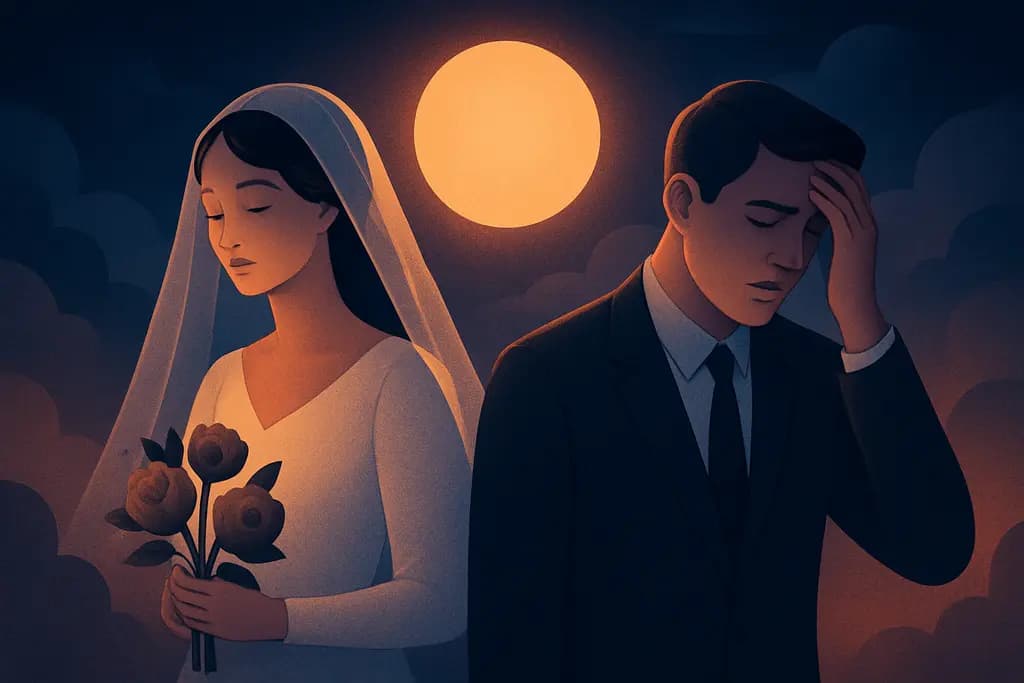
Category: Relationships
What this dream usually means
A wedding dream often points to questions about commitment, identity, or a public role you’re about to assume. If the dream felt joyful it may suggest readiness to join with someone or take on a new position; if it felt panicked it can reflect fear of losing autonomy or accepting responsibility. Look at who you marry and where the ceremony happens: those details often highlight whether the choice is interpersonal, professional, or internal.
What it can reflect emotionally
From a modern, neutral standpoint, wedding imagery organizes emotional material around belonging and obligation. In real life, decisions about partnership, work, or family roles are processed by memory and social expectation; dreams compress those threads into a single social ritual. Pay attention to bodily sensations—tight chest, sweating, elation—which point to whether the underlying feeling is longing, dread, or relief.
What this dream usually does not mean
This dream is rarely a literal prediction of someone getting married or an exact event about the future. It does not usually work as a direct prophecy; instead, it translates feelings about commitment, change, or completion into ceremonial imagery. Treat the wedding as symbol, not a timetable for reality.
How this dream can be interpreted
Commitment and Choice. Seeing yourself marry a known partner or taking vows often reflects a real-life decision about long-term commitment—moving in, saying yes to a relationship, accepting a promotion, or signing a formal agreement. Joy suggests assent; hesitation or walking away points to uncertainty about the obligations that choice will bring.
Anxiety about Change. A chaotic or canceled ceremony commonly signals stress about an upcoming transition: relocation, a parental role, job change, or legal obligation. Panic, missing attire, or an empty aisle can indicate feeling unprepared or pressured by others’ timelines rather than your own readiness.
Integration of Self. Marrying a stranger or an unfamiliar figure can mean internal integration—bringing together two parts of your identity, values, or roles. For example, committing to being both a caregiver and a professional, or accepting a new creative side, can show up as a stranger who feels oddly familiar during vows.
Endings and Public Recognition. A wedding that follows an ending—divorce, job loss, graduation—may mark the start of a new social role or public identity. The presence of crowds, applause, or formal announcements highlights concerns about visibility and how others will perceive the new you; applause can feel rewarding or exposing.
Unusual details people report
People report odd specifics: a locked church door that won’t open, a train pulling up during vows, collars wet from sudden rain, the groomsman’s identical face, an antique clock striking thirteen, or the sound of a single violin playing off-key while you can’t speak.
When to take this dream seriously
Take this dream seriously when it repeats, leaves a strong emotional residue, or follows a real-life crossroads. Recurring wedding dreams often indicate unresolved fear or a choice you keep postponing. High-intensity dreams—waking with a racing heart or carrying grief—suggest the issue affects daily functioning and deserves conscious reflection or conversation with people involved.
Symbolic meaning across traditions
Meanings vary widely across cultures: Western dreamers often read weddings as literal or symbolic commitments; in some Eastern traditions a wedding image might emphasize duty or ancestral continuity; in other communities a ceremonial dream could signal rites of passage or community validation. Respect local customs and personal history—what a wedding symbolizes in one tradition may mean something quite different in another.
FAQ
What should I do after this dream?
What should I do after this dream? Take notes: who was there, the setting, and your strongest feeling. Use those details to identify a real-life choice or relationship needing attention—then talk with a trusted person or list pros and cons before acting.
Is this dream a warning?
Is this dream a warning? Sometimes it can signal a warning about pressure, loss of autonomy, or rushed decisions, but it’s more often a spotlight on feelings than a literal danger. Notice the tone: fear in the dream can point to a waking concern worth addressing.
Is this about relationships?
Is this about relationships? Often yes, but not always. Many wedding dreams concern public roles, identity shifts, or commitments to projects and family responsibilities rather than only romantic partnerships.
Why do I feel fear in this dream?
Why do I feel fear in this dream? Fear usually arises from perceived loss of choice, exposure, or burdens tied to commitment. It may reflect external pressure (family, job) or internal doubts about readiness for a new role.
Related dreams to explore
If this dream keeps returning, pages about seeing Old Friends, Blood, and Cages can reveal the related patterns underneath it. They often overlap around insecurity, transition, or stress in everyday life. You may also want to compare it with Darkness if the same mood or conflict keeps showing up.