Dream About Uncontrollable Guilt – Meaning
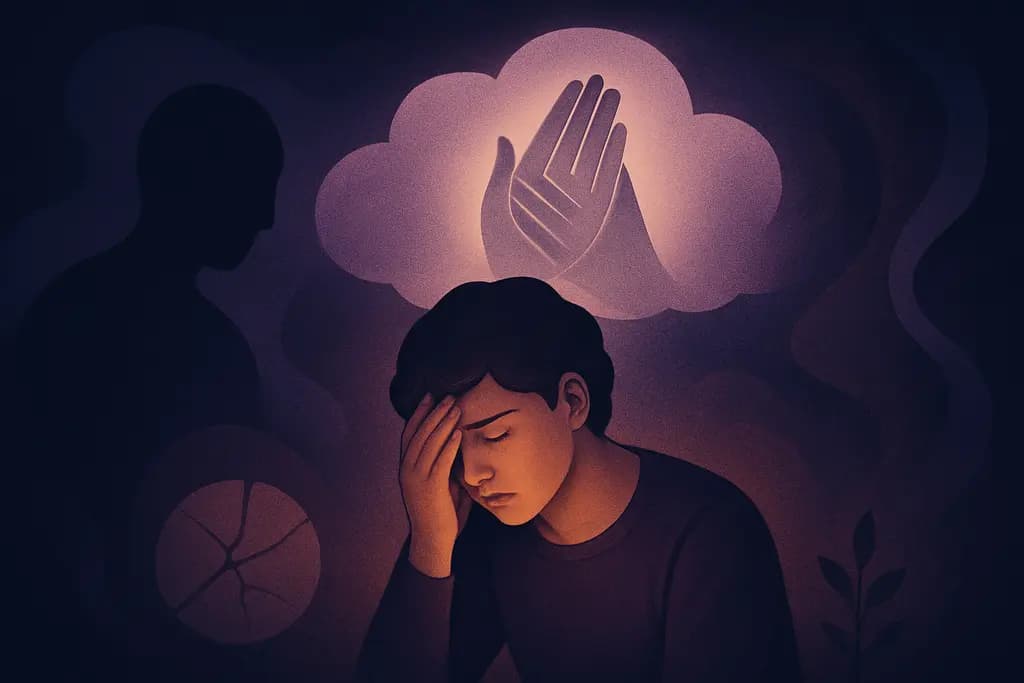
Category: Feelings
A common version of this dream
You wake with a tight, sinking weight in your chest because of something you forgot to do — the baby monitor muted, an unpaid bill, an apology unsaid. In the dream you’re sprinting through an office with fluorescent lights, clutching a stack of papers that keep slipping; colleagues glance up, mouths moving but you can’t hear the words. The emotion is immediate: a hot shame that floods the skin, the urge to fix it before something breaks.
Unusual details people report
Common, specific images include a locked door you can’t open, a crowded subway where you drop a letter, rain that blurs names on forms, a phone that rings with no caller ID, or trembling hands unable to sign a document. Sound glitches — muffled voices or a persistent alarm — often heighten the panic.
What this dream usually means
This dream most often signals an internal moral alarm: unprocessed obligations, self-criticism, or the sense that you’ve failed to meet your own standards. It points toward unfinished business — tasks, conversations, or repairs to relationships — rather than an objective verdict about your character. There’s also an emotional contrast here: the dream’s urgency can feel overwhelming while the real issue may be smaller and addressable with clear steps.
What this dream can point to in real life
- Unfinished Responsibilities and Practical Fixes. The dream can highlight concrete, unattended duties — overdue tasks, promises you haven’t kept, or financial or logistical details left unresolved. If you felt frantic about documents, schedules, or keys in the dream, look for specific items in your day-to-day that need completion. Small administrative acts (calling, scheduling, paying) often reduce the dream’s intensity by removing the practical source of pressure.
- Internal Standards and Self-Punishment. When the guilt feels uncontrollable, it may reflect harsh inner rules or perfectionism: you’re punishing yourself for perceived moral failings or minor mistakes. The dream can surface recurring self-criticism rather than external blame. Addressing the critical inner voice — through journaling, setting realistic standards, or corrective conversations — can shift both waking mood and dream content.
What this dream usually does not mean
This dream does not usually predict actual future wrongdoing or serve as a literal prophecy. It’s rarely a sign that you will commit a specific bad act; instead, it reflects felt responsibility or ongoing regret. Treat the images as symbolic pressure signals rather than direct evidence that something terrible is bound to happen.
Questions to reflect on
- What specific obligation, conversation, or task from the past month feels unfinished or unsettled?
- When you felt guilt in the dream, what image or object stood out most — a door, a phone, a document — and what might that item represent in your life?
- What one small, realistic action could reduce this pressure (a call, an apology, a payment) and when will you do it?
Spiritual meaning
Symbolically, many spiritual traditions interpret guilt dreams as conscience or moral insight urging repair and reconciliation. Seen this way, they invite intentional action — confession, making amends, ritual apology, or recommitment to values — as a way to restore balance. Keep the framing exploratory: the dream offers an invitation, not a verdict. If spiritual practices are part of your life, small rituals of acknowledgement or restorative gestures can be meaningful ways to respond.
FAQ
Is it related to stress?
Yes. Stress increases rumination and makes unresolved worries more vivid in dreams; feeling overwhelmed or sleep-deprived commonly amplifies guilt imagery.
What should I do after this dream?
Start with one concrete step: name the specific unpaid task or relationship issue, then schedule a short action (call, email, pay, or apologize). Track whether the dream eases afterward.
Is this about relationships?
Sometimes. If the dream centers on a partner, friend, or family member, it can reflect relationship tensions or unspoken matters that need addressing; otherwise it may be about personal standards.
Why does this dream repeat?
Repetition often means the underlying issue is still unresolved or that your mind is rehearsing responses. Repeating dreams stop once the practical or emotional source is acknowledged and worked on.
Related dreams to explore
People who dream about uncontrollable guilt often end up exploring Being Ignored, black climbing, and black crying next, because the same pressure can show up through different symbols. Comparing them usually makes the emotional pattern clearer. You may also want to compare it with black Riding a Bike if the same mood or conflict keeps showing up.