Dream About Being Ignored – Meaning
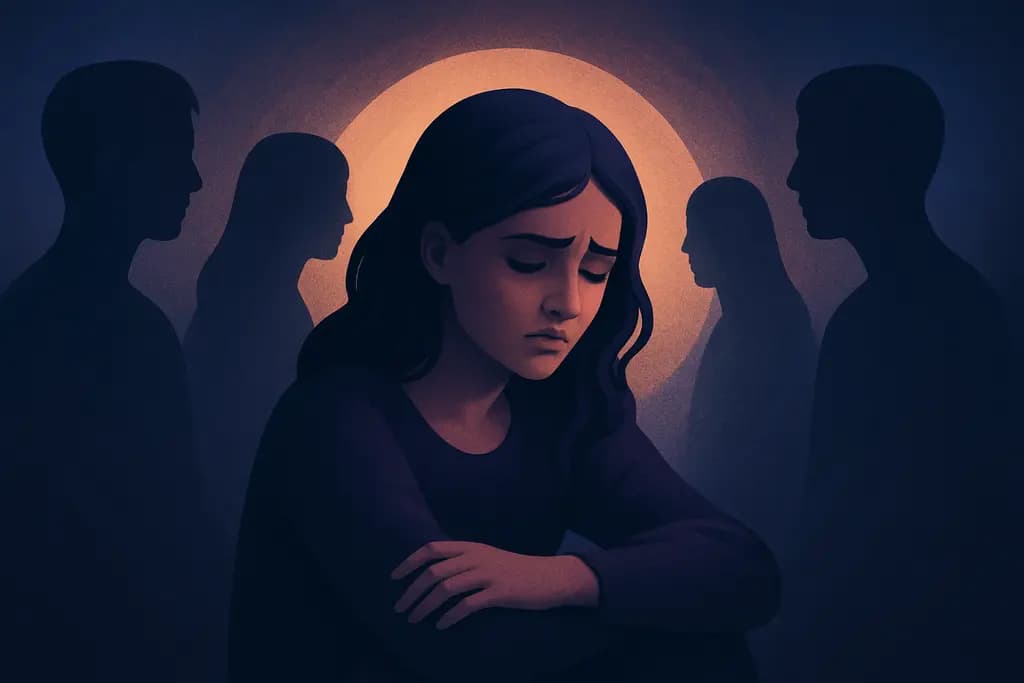
Category: Feelings
Quick interpretation
This dream is a signal about feeling overlooked or deliberately sidelined: it often points to unmet emotional needs, a fear of losing status, or a choice to withdraw. It can indicate that you want recognition, are wrestling with being unheard at work or home, or are testing whether others notice your absence. At the same time it may be a rehearsal for setting boundaries—your mind spotlighting the gap between how you want to be treated and what you actually experience.
Psychological perspective
From a modern, non-medical psychological view this dream commonly maps onto attachment and social cognition processes. Feelings of exclusion trigger ancient threat circuits, so the brain rehearses neglect to figure out a response. In real life, persistent interpersonal slights, chronic stress, or a recent dismissal at work often precede these dreams. The image of being unseen helps you practice asserting needs, noticing patterns of self-silencing, and experimenting mentally with different responses before trying them awake.
What this dream usually does not mean
This dream is rarely, if ever, a literal prediction that someone will ignore you tomorrow. It does not usually mean people secretly dislike you or that social collapse is imminent. More often it reflects internal dynamics—unfinished conversations, suppressed needs, or role shifts—rather than a straightforward prophecy about other people’s future behavior.
How this dream can be interpreted
- Emotional neglect and unmet needs. You may be processing a pattern of being discounted—by a partner who dismisses your feelings, a boss who overlooks your work, or family members who interrupt. The dream highlights a craving for acknowledgement and may push you to name what you need: a specific apology, regular check-ins, or clearer appreciation.
- Social anxiety or performance pressure. If you’re starting a new job, giving talks, or facing exams, the dream can replay fears of public failure or humiliation. It compresses worries about being judged into scenes of omission—no eye contact, no applause—helping you experience and rehearse the anxiety in a low-stakes setting.
- Boundary setting and deliberate withdrawal. Sometimes being ignored in a dream reflects a conscious or unconscious desire to step back. You may be testing solitude: if others don’t notice you, can you tolerate being unseen? The dream can be an experiment in self-reliance and a prompt to establish healthier limits.
- Identity, worth, and role transition. During life changes—promotion, breakup, parenthood—the dream surfaces questions about who you are when social labels vanish. It may dramatize worries that your value depends on external recognition and encourage work on internal measures of worth.
Concrete details that tend to stand out
Dreamers commonly report small, specific images: a glass door that won’t open, umbrellas forming a wall in the rain, a teacher turning a page instead of answering, or the sound of muffled laughter. Physical sensations like a cool neck, sudden dizziness, or shoes that feel heavy often stand out and make the scene feel vividly personal.
When to take this dream seriously
Take this dream seriously if it recurs, wakes you in the night, or leaves a lingering shame or dread. It becomes especially urgent during prolonged stress, unresolved fear of abandonment, or major transitions—moving jobs, ending relationships, or starting caregiving. When frequent, use it as a cue to journal specific incidents of feeling unseen, practice concise requests for recognition, and consider talking with a trusted friend or counselor about patterns that keep repeating.
Cultural and symbolic views
Meanings vary across traditions. Some Western approaches read it as unmet psychological needs, Jungian readers might call it a shadow theme about the parts of self that require acknowledgement, while certain Indigenous or Eastern perspectives might see temporary social silence as a sign to turn inward or as a rite of passage. Other cultures interpret being ignored as social correction or a moral test. There is no single cultural truth; local practices, community norms, and personal belief shape how the symbol is felt and worked with.
Frequently asked questions
Can this dream be positive?
Yes. It can be positive when it marks a chosen retreat for self-care, a successful test of independence, or the moment you decide to stop seeking approval and value your own standards.
Is this about relationships?
Often it involves relationships—work, family, friends—but it can also reflect internal self-relations, such as criticizing or ignoring your own needs, not just others ignoring you.
Why does this dream repeat?
Repetition usually means an unresolved issue is still active—rumination, unaddressed requests, or a repeating social role. The dream repeats until your waking strategies or relationships change.
Why do I feel fear in this dream?
Fear arises because social exclusion threatens belonging and identity. The dream compresses that threat into bodily sensations—cold, sinking, racing heart—so your brain can rehearse responses and alert you to repair what feels broken.
Dream meanings connected to this one
Dreams about being ignored are often connected to black climbing, black crying, and black Riding a Bike. Looking at those nearby themes can help you compare control, fear, pressure, or change across similar dream scenes. You may also want to compare it with Chasing Dreams if the same mood or conflict keeps showing up.