Dream About Regret – Meaning
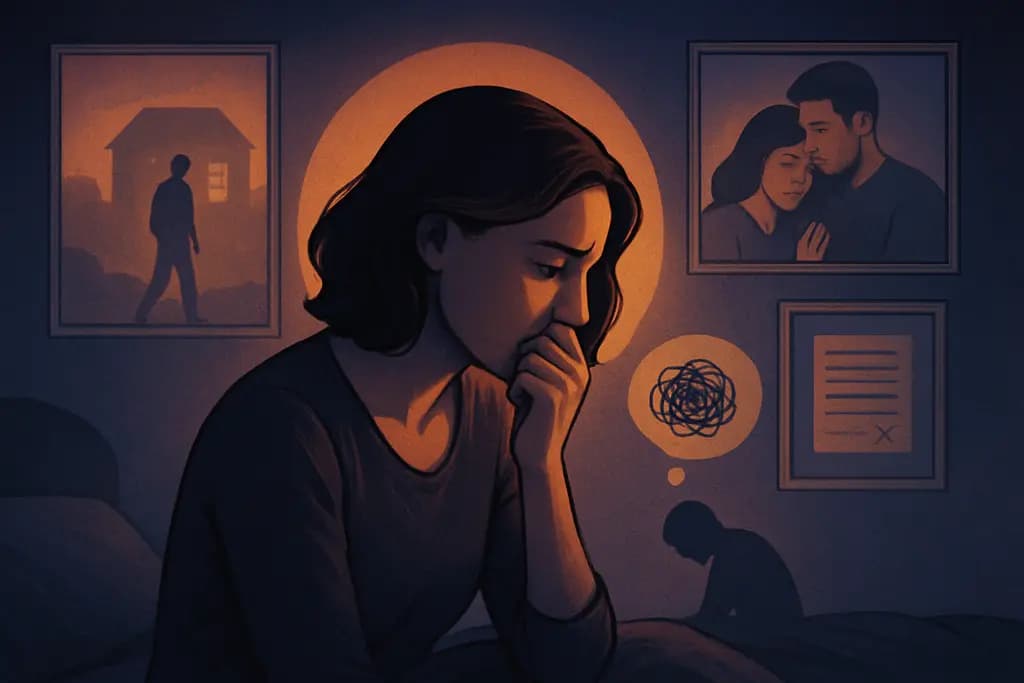
Category: Feelings
A common version of this dream
You are standing in your childhood kitchen at dusk, the sink full of a cracked teacup you let fall and never repaired. Light from a single bare bulb throws long shadows; your hands are sticky with old jam and you feel a tight knot behind your sternum — equal parts shame and longing. A closed back door hums with street noise you can’t quite reach, and someone you love walks away down the lane while you search the drawers for a lost note.
Main interpretation
This dream most commonly points to unresolved choices and the emotional residue of actions you wish you’d handled differently. The cracked teacup and closed door function as symbols of fragility and missed openings: the teacup for something delicate you neglected, the door for an opportunity or conversation you didn’t take. It often reflects guilt about relationships, career moves, or moral choices and may suggest it’s time to acknowledge what you regret and consider practical steps toward repair or acceptance.
What this dream can point to in real life
- 1. Missed opportunities. A dream where doors close or trains leave with you watching often highlights decisions you didn’t take — jobs not applied for, conversations shelved, or moves postponed. The image of an emptied platform or a locked door stands for timing and agency: you may be wrestling with the sense that the right moment passed. This angle points to questions about timing and whether you can create a new open door now.
- 2. Relationship regrets. If the dream centers on a person walking away, spilled food, or a broken object shared between you, it commonly reflects regret in interpersonal life: missed apologies, boundaries crossed, or unattended emotional needs. The broken object is a metaphor for trust or intimacy that feels damaged. This meaning invites practical repair — an honest conversation, a letter, or clearer boundaries — rather than endless rumination.
- 3. Self-betrayal and values conflict. When the dream’s tone is shame or physical heaviness, and symbols like discarded uniforms or hidden wallets appear, it can indicate you acted against your own values: compromises at work, small betrayals to fit in, or avoidance of responsibility. That inner conflict produces regret because your behavior didn’t match who you want to be. This interpretation asks you to realign choices with principles and consider small, consistent changes.
What this dream is not literally saying
This dream is rarely a literal prediction that something bad will happen. It does not usually announce future punishment or guarantee a relationship will end. Instead, it acts more like an emotional rehearsal: showing how you feel about past choices rather than forecasting specific events. Reduce literal reading and focus on the feeling and the choice behind the scene.
Unusual details people report
Interestingly, people report small sensory details like the clink of ceramic, the smell of frying oil, a rain-soaked coat on a chair, the distant chime of a bus, or the metallic taste in their mouth when they wake. Some dreamers notice their shoes are too tight, a missing button on a coat, or an alarm clock that won’t stop ringing.
Questions to reflect on
- What exact decision or event from the past week, month, or year does the central image (the cup, door, or walk-away) remind you of?
- What would a small, concrete act of repair look like in that situation (a message, a meeting, or a change in routine)?
- If you couldn't change the past, what value or lesson from this regret do you want to honor going forward?
Spiritual and symbolic perspective
In symbolic or spiritual readings, regret can appear as a call to moral repair or compassionate accountability rather than punishment. Some traditions view these dreams as invitations to make amends, perform a ritual, or offer an internal apology to restore inner balance. Interpretations vary; treat symbolic prompts as tools for reflection, not mandates. Across practices, the emphasis is often on transforming remorse into constructive action or forgiveness.
Frequently asked questions
Is this about money?
Is this about money? Short answer: rarely directly. If financial loss or missed investments appear as symbols (empty wallets, lost paychecks), the dream may reflect anxiety about security or choices tied to finances, but most regret-dreams focus on relational or moral decisions rather than literal money forecasts.
What should I do after this dream?
What should I do after this dream? Take one concrete step: write the specific regret down, identify a realistic small action (send a message, set a meeting, or change a habit), and practice a brief self-forgiveness statement. If the dream repeats or causes severe distress, consider talking with a counselor or trusted friend.
Why does this dream repeat?
Why does this dream repeat? Repetition often signals unfinished emotional business: a conversation unsaid, a boundary unestablished, or a lesson not integrated. Frequent repeats tend to stop once you take a deliberate action toward repair or acceptance, or when the memory is reprocessed through reflection or therapy.
Dream meanings connected to this one
Dreams about regret are often connected to Being Ignored, black climbing, and black crying. Looking at those nearby themes can help you compare control, fear, pressure, or change across similar dream scenes. You may also want to compare it with black Riding a Bike if the same mood or conflict keeps showing up.