Dream About Parent visiting childhood bedroom – Meaning
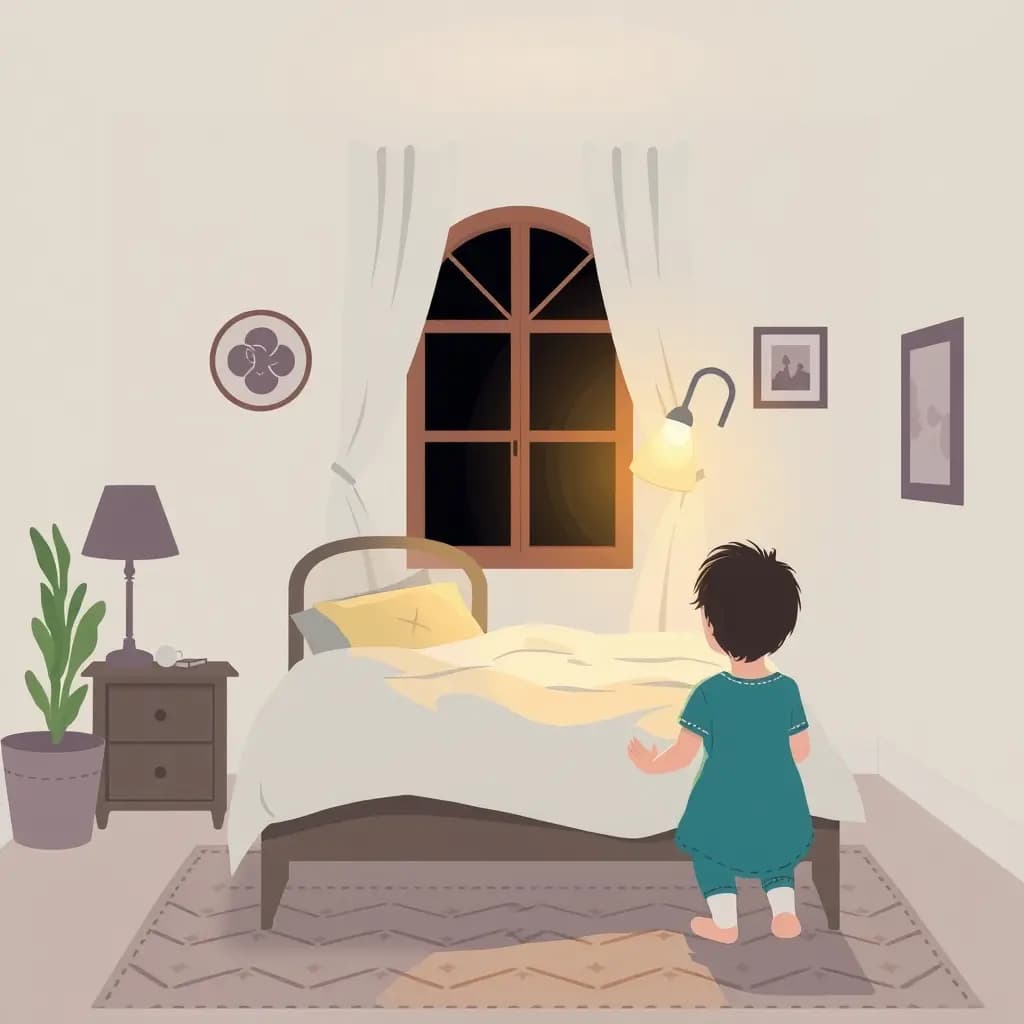
Category: Family & Children
What this dream usually means
This dream most often signals that past family roles and present responsibilities are colliding. The childhood bedroom represents private history and identity; a parent entering it highlights feelings of exposed vulnerability, unfinished conversations, or pressure to fulfill caregiving duties. Practically, it may point to concrete tasks — sorting belongings, arranging visits, or saying something you’ve avoided — and invites you to notice whether you’re acting from duty, guilt, or genuine care.
What it can reflect emotionally
In many cases, the dream mirrors an emotional mismatch between past expectations and current life demands. Concrete triggers include a recent phone call about a parent’s health, sorting through a parent’s boxes, or the stress of scheduling visits. Emotions like guilt, nostalgia, shame, or obligation often show up as sensory details — a smell that pulls you back, a poster that stubbornly stays on the wall — and signal that your internal rules about family roles are active and need attention.
What this dream usually does not mean
This dream is rarely a literal prediction that a parent will return to the house or that a past event will repeat exactly. It does not usually foretell concrete outcomes like an imminent move or a specific medical event. Instead, it commonly uses the imagery of a bedroom and a parent to dramatize emotional pressures or decisions you’re facing now. The scene is symbolic, not a timeline.
Key interpretations
- 1. Caregiving pressure and practical decisions. A parent in your childhood room often points to current caregiving logistics: phone calls about health, plans for elder housing, or the task of sorting keepsakes. The dream may surface guilt about saying “no,” anxiety about responsibility, or the need to negotiate who will do what. Consider what specific action — a conversation, a checklist, or legal paperwork — would reduce the pressure you felt on waking.
- 2. Identity, boundaries, and revisited roles. This scene can reflect being pulled back into the child role you had with that parent: caretaking emotional needs, falling into old patterns, or losing newly formed boundaries. The bedroom symbolizes private identity; the parent’s presence may mean you’re re-evaluating where to set limits. Practically, this interpretation invites you to name one boundary to practice and test it in a safe, small way.
Concrete details that tend to stand out
People report specific images that stick: a rain-streaked window, a coat on the bed that still smells like the parent, a closet door that refuses to close, a clock stuck at a time of a remembered argument, or a creak in the floor like a familiar footstep. Some wake with the taste of a childhood snack or the sound of laughter muffled down the hall.
When to take this dream seriously
Take this dream seriously when it repeats, appears after a major family event (hospital stay, funeral, or move), or leaves you with persistent anxiety on waking. It becomes urgent if the dream’s emotion — shame, panic, or numbness — recalls an unresolved fear or a decision you’re avoiding. If the imagery nudges you toward a concrete action (calling a sibling, making a list, or scheduling a visit), it’s a useful prompt rather than mere noise.
Cultural and symbolic views
Meanings vary across traditions: in cultures emphasizing filial duty, this dream may echo concerns about meeting family expectations; in ancestor-honoring practices it might be read as literal guidance or the need to perform a ritual. Western psychological culture tends to emphasize personal boundaries and role dynamics. A single dream can carry overlapping cultural messages, and the best interpretation respects your cultural background and personal beliefs.
Common questions
Why does this dream repeat?
Repetition usually means the brain has identified an unresolved issue — recurring calls about care, an upcoming move, or an emotional loop you haven’t processed. Frequency signals priority, not prophecy.
What should I do after this dream?
After the dream, list the concrete task it highlighted (a conversation, paperwork, or sorting items) and take one small step toward it: send a text, make an appointment, or set aside an hour to sort a box.
Can this dream be positive?
Yes. The dream can be positive when it motivates honest conversation, closure, or practical problem-solving. It can also reconnect you with supportive memories and remind you of resources you hadn’t considered.
Why do I feel fear in this dream?
Fear often comes from feeling small, exposed, or judged again — the bedroom is intimate and a parent’s presence can reactivate old vulnerabilities. The fear is usually emotional memory, not immediate physical danger.
Related dream meanings
People who dream about parent visiting childhood bedroom often end up exploring Home filled with lullabies, Nursing a stranger's baby, and Sibling shrinks before you next, because the same pressure can show up through different symbols. Comparing them usually makes the emotional pattern clearer. You may also want to compare it with Playing with your younger self if the same mood or conflict keeps showing up.