Dream About Old movie theater – Meaning
Category: Places
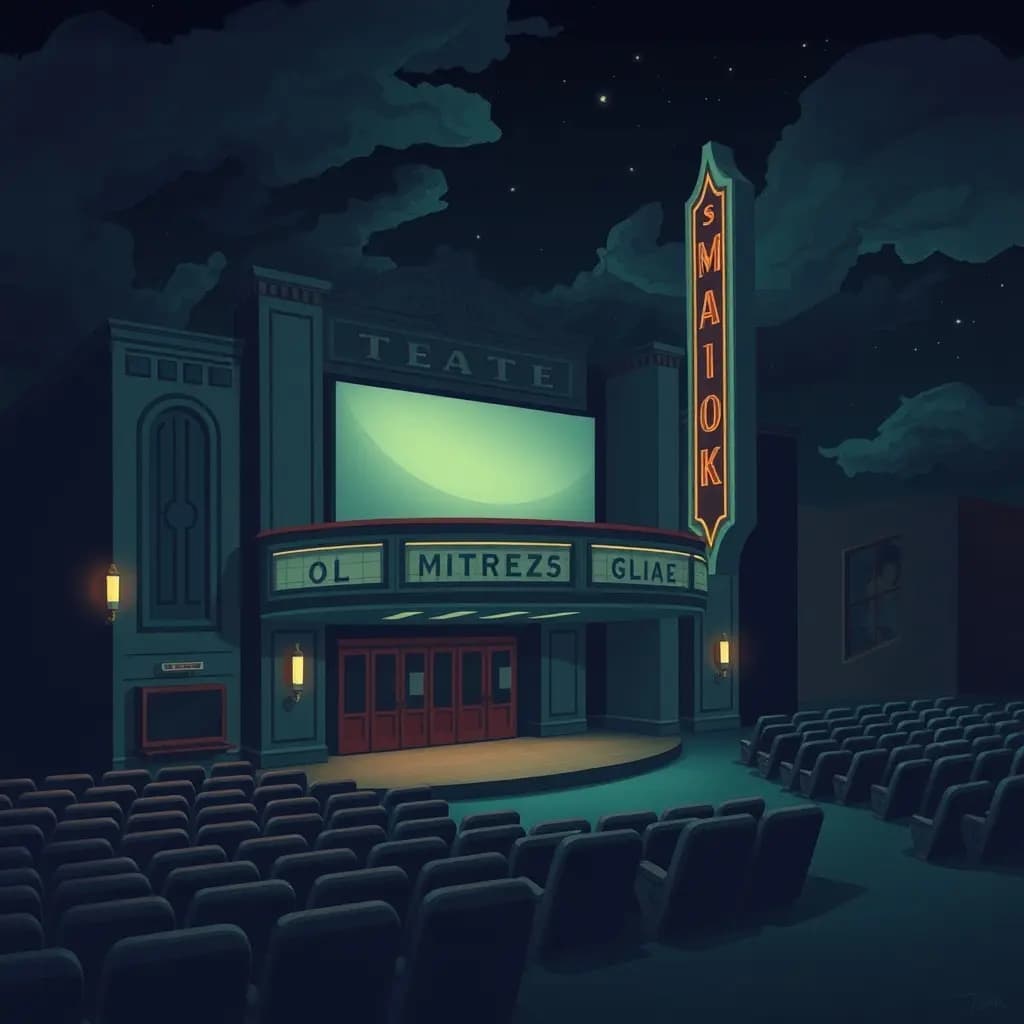
Dreaming of an old movie theater often brings up images of velvet seats, a faded marquee and a flickering screen. Such dreams usually point to memories, personal narratives and how you watch or perform your life. The exact meaning shifts depending on how you felt in the dream and the specific setting or actions you recall.
General meaning of dreaming about Old movie theater
An old movie theater in a dream commonly symbolizes the stage of life where past events and stories are being replayed. The theater setting emphasizes observation and performance: are you an audience member, watching from a safe distance, or are you on stage taking part? The age and condition of the theater add layers — a well-kept vintage cinema suggests cherished memories and nostalgia, while a crumbling one can indicate unresolved issues or neglected parts of the self.
This symbol often points to the inner narrative you carry — how you interpret past scenes and how those interpretations color present choices. It can also signal creativity, storytelling urges, or concerns about how others perceive you.
Key meanings:
- Nostalgia and memory recall
- Replayed or unresolved past experiences
- Role-playing, social performance, and self-image
- Creative expression and suppressed artistic urges
- Transitions, endings, or stages of personal growth
Spiritual meaning of Old movie theater in dreams
Spiritually, an old movie theater can act as a metaphor for soul review or inner witness: the idea that life’s events are shown on an inner screen for reflection and learning. Many spiritual traditions use the theater or stage as a symbol for incarnation — life as a temporary play where lessons are learned and roles are enacted.
From a Jungian perspective the theater is an archetypal space where persona (the mask) and shadow (what’s hidden) interact. In a broader, non-denominational sense, the dream invites you to observe your life patterns from a higher vantage point and to notice recurring themes that carry energetic weight.
Psychological interpretation
Fear, stress or anxiety
If the dream evokes anxiety — for example, stage fright, being watched, or a projector that fails — it may reflect performance anxiety or fear of exposure in waking life. Broken equipment or missing film reels can symbolize confusion, disrupted plans or an inability to access important memories.
Relationships and emotional bonds
Seeing familiar faces or shared films in an old theater often links the dream to relationships and shared histories. A crowded auditorium applauding can reflect approval or pressure; an empty theater might point to loneliness or a sense that your emotional experiences are not witnessed.
Control, power or vulnerability
Where you sit, whether you hold a ticket, or if you’re stuck in the projection booth can indicate feelings of control or powerlessness. Center seats suggest confidence; being in the dark or lost among aisles can highlight vulnerability, secrecy, or avoidance of confronting certain emotions.
Positive meaning
- Reconciliation with past experiences and healing old wounds
- Creative reawakening and inspiration to tell your story
- Recognition of personal growth and changing life chapters
- New opportunities to reinterpret past events in a more empowering way
- A chance to become an active participant rather than a passive observer
Negative meaning and warnings
- May suggest clinging to nostalgia that prevents present action
- Can indicate unresolved trauma or memories that keep repeating
- May point to avoidance: watching life from the sidelines instead of engaging
- Could signal fear of exposure or social judgment that limits authenticity
- Might warn that appearances of glamour mask decay or hidden problems
Common variations of dreams about Old movie theater
- Attending an old movie theater and watching a familiar film — Often connects to revisiting childhood memories or reliving a significant relationship; the film’s content gives clues about the theme being replayed.
- An abandoned or derelict theater — May indicate neglected parts of yourself, old dreams left behind, or emotional areas in need of repair.
- Being the projectionist or fixing a broken projector — Suggests you’re trying to make sense of your past stories, piecing together memories or regaining control over how you present yourself.
- Sitting in an empty auditorium — Can point to feelings of isolation, that your experiences aren’t validated, or a desire for a more attentive audience in life.
- Buying a ticket at the box office — Symbolizes making a conscious choice to engage with a past issue or to invest in self-exploration.
- Watching a childhood movie or home footage — Directly ties to family dynamics, formative events, and early emotional programming that still influences you.
- Backstage or hidden corridors of the theater — Highlights secret aspects of your identity, private fears, or talents not yet revealed publicly.
- A crowded theater with applause — May reflect social validation, pressure to perform, or the satisfaction of being seen and acknowledged.
What to do after such a dream
- Reflect on your emotions: note how you felt during the dream and afterward; those feelings are the clearest guides.
- Journal specific details: the film shown, your seat, who was present, and the theater’s condition — these details point to which life area is involved.
- Relate the dream to current life situations: consider recent endings, reunions, creative blocks, or moments of public exposure.
- Talk it through: share the dream with a trusted friend, mentor or therapist to gain perspective, especially if it stirs intense feelings.
- Take small practical steps: revisit old projects, create a ritual to honor a past chapter, or set boundaries where you feel judged or exposed.
- Use creative outlets: write, draw or perform the scene to reframe the narrative and reclaim agency over your story.
Pay attention to recurring patterns — an old movie theater dream repeated over time is an invitation to actively work with the memories and roles it highlights.