Dream About Empty theater stage – Meaning
Category: Places
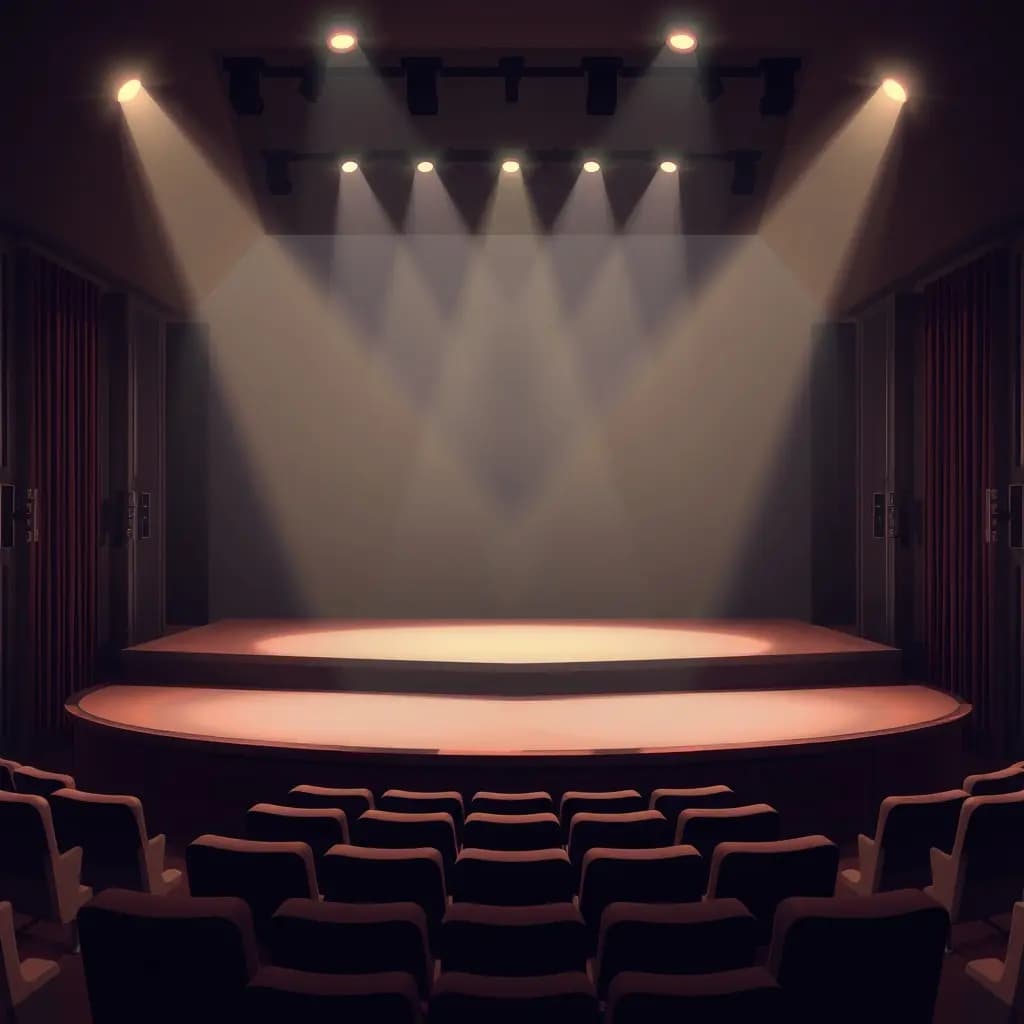
Dreaming of an empty theater stage often points to moments when you feel exposed, paused, or awaiting action. The image of a bare stage can represent a sense of potential — a space ready for a story — but its meaning depends heavily on how you felt in the dream and on surrounding details. Your emotional tone, whether lonely, excited, calm, or anxious, and the context of the theater shape the interpretation.
General meaning of dreaming about Empty theater stage
An empty theater stage symbolically represents a public arena of expression, performance, and identity. Because stages are where roles are enacted, a vacant platform can highlight questions about who you are performing for, what you feel prepared to present, or whether you sense an absence of purpose or audience in some area of life.
Often this dream points to a transition period: a pause between acts in your personal story. It can suggest readiness to begin something new, reluctance about taking the spotlight, or awareness of an audience — real or imagined — watching your choices.
Key meanings often include:
- Potential and opportunity: a blank stage to start a project, relationship, or new role.
- Exposure and vulnerability: feeling seen or judged when nothing is hiding you.
- Waiting or stagnation: a pause before action, uncertainty about the next step.
- Identity and performance: questions about authenticity and the roles you play.
Spiritual meaning of Empty theater stage in dreams
Spiritually, an empty stage can be a metaphor for the soul's readiness to express its true nature. Some spiritual teachers liken life to theater, and an empty stage may signal a spiritual invitation to step forward with purpose, presenting your gifts without attachment to external approval.
Across traditions the image can also point to a clearing of distractions: when the stage is bare, extraneous props and illusions have been removed, leaving space for clear intention and honest presence. It may encourage reflection on vocation and the ways your actions resonate energetically with others.
Psychological interpretation
Fear, stress or anxiety
If the dream felt tense or overwhelming, the empty stage can mirror performance anxiety or the fear of judgment. It may surface when you anticipate evaluation — an exam, presentation, or relationship talk — and worry you won’t meet expectations.
Relationships and emotional bonds
When feelings in the dream are lonely or yearning, the empty stage can reflect a perceived lack of emotional audience or support. It may indicate longing for attention, validation, or meaningful connection, or a sense that important conversations have been left unsaid.
Control, power or vulnerability
An empty stage can highlight issues of control: either a feeling of losing influence because there is no script, or empowerment at being able to direct your own performance. The vulnerability of standing alone under lights can reveal fears about exposing weaknesses, or conversely, the courage to be authentic.
Positive meaning
- Readiness to begin: the dream may show you're prepared to launch a creative project, career move, or personal transformation.
- Freedom and autonomy: a blank stage can mean you have control over how you present yourself and can craft your identity intentionally.
- Clarity and focus: removal of clutter on stage symbolizes mental clarity and the chance to concentrate on what truly matters.
- New opportunities: the empty space can be a sign that opportunities are available; you just need to step into them.
- Healing and renewal: an empty stage after chaos can represent recovery and the chance to start again with a clean slate.
Negative meaning and warnings
- May suggest avoidance or procrastination: an empty stage can indicate you are postponing action or waiting for permission.
- Can indicate feelings of insignificance: you may be worried nobody notices your efforts or that your contributions go unseen.
- May point to social anxiety: the dream can reflect fear of public scrutiny or of being unprepared under pressure.
- Can warn of isolation: repeated empty-stage dreams might reveal growing emotional distance from friends, family, or colleagues.
- May suggest a loss of direction: an inability to decide what role to play or where to invest your energy.
Common variations of dreams about Empty theater stage
- Empty stage with a single spotlight: Often highlights focus on one aspect of your life — a relationship, job, or decision — that currently demands attention and scrutiny.
- Empty stage with closed curtain: May represent withheld potential or a situation that feels closed off; opportunities might be present but not yet revealed.
- Empty backstage area: Suggests concerns about preparation and what goes on behind the scenes; you may worry about readiness or hidden logistics.
- Empty auditorium while stage is set: Can indicate you feel prepared but lack an audience or support network; you may be ready to act but unsure who will respond.
- Standing alone on an empty stage: Points to personal courage or fear of exposure, depending on emotions felt — either empowerment to perform or anxiety about being judged.
- Empty outdoor amphitheater: May reflect a need to connect with a wider community or a desire for more public recognition in a natural, open setting.
- Empty stage with scattered props: Implies unfinished projects or scattered ideas; the building blocks exist, but focus and arrangement are needed.
- Returning to an empty stage after a performance: Could signal endings and the quiet after a major life event, inviting reflection before the next chapter.
What to do after such a dream
- Reflect on your emotions: note whether you felt excited, anxious, lonely, or calm in the dream — that feeling guides interpretation.
- Journal about context: write down details — the theater size, lighting, props, and whether anyone was watching — to uncover themes.
- Review current life roles: consider where you may be performing for others versus acting from your true self.
- Assess decisions and opportunities: ask whether you are postponing action or ready to step into a new role; make a small plan to test the next step.
- Talk with someone you trust: share the dream with a friend or mentor to gain perspective on possible social or career implications.
- Use the image constructively: visualize stepping onto the stage with confidence and outline one concrete action you can take to move forward.