Dream About Museum of your life – Meaning
Category: Spiritual & Symbolic
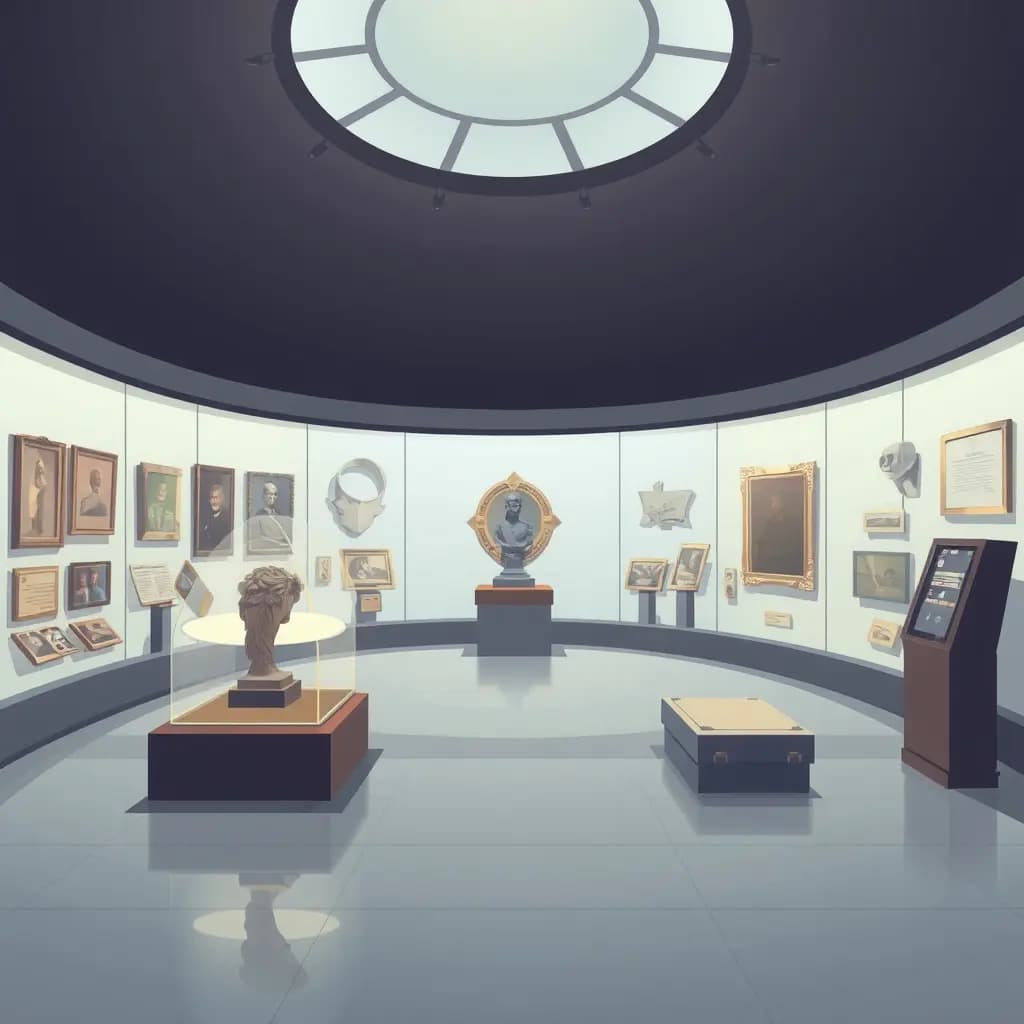
Dreaming of a Museum of your life often feels like stepping into a curated archive of memories, choices, and the roles you’ve played. Such a dream invites reflection on how you store experiences, what you honor, and what you might still be shelving. The exact meaning depends heavily on how you felt in the dream and on specific details or contexts.
General meaning of dreaming about Museum of your life
At its core, a Museum of your life symbolizes collection, curation, and witness. Museums preserve objects and stories; when your life appears as a museum, the dream is asking you to view your past as a series of exhibits — some polished, some dusty — and to consider how you interpret and present your own history.
This image commonly points to assessment and integration: you may be reviewing achievements and regrets, evaluating identity, or deciding what to carry forward. Walking through rooms in this dream can represent moving through life stages, while locked cases or hidden wings may signal memories you’ve closed off.
Key meanings often include:
- Self-reflection and life review
- Desire for closure or re-evaluation
- Preservation of memory and legacy
- Curation of identity (what you display versus hide)
- Reconciliation with past choices
Spiritual meaning of Museum of your life in dreams
Spiritually, the Museum of your life can represent a soul-level inventory. Many traditions describe a life review or record of lessons learned; this dream can be a symbolic version of that review, encouraging you to notice recurring patterns and spiritual growth opportunities.
It may also speak to energetic clearing: arranging exhibits can symbolize releasing attachments, while a well-lit gallery often suggests clarity and alignment. Across traditions, the emphasis is on learning from what’s on display rather than condemning it.
Psychological interpretation
Fear, stress or anxiety
If the museum felt overwhelming, chaotic, or threatening, the dream may be reflecting anxiety about unresolved issues. Overcrowded exhibits or shattered displays can signal stress about unresolved memories, guilt, or a sense that your life is out of order.
Relationships and emotional bonds
Exhibits that represent other people — photos, letters, or objects — often point to how you remember and value relationships. A lovingly curated display can indicate gratitude and secure attachment, while neglected exhibits may reveal unresolved grief, resentment, or a need for reconnection.
Control, power or vulnerability
Being the curator suggests agency: you are choosing how to represent yourself and what to expose. Conversely, being observed among your exhibits can feel exposing or vulnerable, hinting at worries about judgment, control, or feeling defined by past roles.
Positive meaning
- Integration of past experiences into a coherent self
- Healing through acknowledgement and acceptance of memories
- Recognition of achievements and personal strengths
- Emergence of clarity about life purpose or next steps
- Opportunity to curate a healthier, more authentic public identity
- Creative inspiration from revisiting meaningful objects or stories
Negative meaning and warnings
- May suggest clinging to the past or resisting necessary change
- Can indicate unprocessed grief or trauma that needs attention
- Might point to avoidance: displaying comfortable memories while hiding difficult truths
- May warn of stagnation if you are overly focused on preservation rather than growth
- Could indicate fear of being judged by how you’ve lived
Common variations of dreams about Museum of your life
- Childhood exhibit: Seeing a room devoted to childhood often highlights formative experiences, early wounds, or strengths that still shape your choices. It can be an invitation to revisit and reframe those memories.
- Empty museum: An empty or barren museum may indicate feelings of disconnection, meaninglessness, or a sense that you’ve put your life on hold and need to replenish purpose.
- Being the curator: Acting as curator suggests empowerment and the ability to choose which memories define you. It can signal readiness to redesign your narrative.
- Locked or sealed exhibits: Locked cases often point to suppressed memories or secrets you’re not ready to face; they may also suggest protection of fragile parts of yourself.
- Guided tour: Following a guide can symbolize receiving help, guidance, or an inner voice pointing out important lessons. The guide’s tone (gentle or critical) changes the nuance.
- Broken or damaged exhibits: Damage to displays can reflect trauma, loss, or regret that requires repair or compassionate attention.
- Discovering a new wing: Finding an unexplored wing suggests new self-awareness, untapped potential, or an upcoming phase of life you haven’t yet considered.
What to do after such a dream
- Reflect on your feelings in the dream: note moments of comfort, shame, curiosity, or fear.
- Journal specific exhibits, people, or objects that stood out and what they represent in your waking life.
- Compare the dream to your current life stage: are you reassessing choices, nearing a transition, or seeking closure?
- Talk with a trusted friend, mentor, or counselor if the dream raises heavy emotions or recurring themes.
- Consider small practical steps: revisiting a relationship, archiving old items, creating a ritual to honor change, or setting intentions for the next chapter.
- Use creative outlets (art, photo projects, memory boxes) to reframe and integrate important memories into a healthier narrative.
Take the dream as a gentle invitation rather than a verdict: a Museum of your life encourages examined living, compassionate repair, and mindful curation of what you carry forward.