Dream About Younger version of your reflection – Meaning
Category: Spiritual & Symbolic
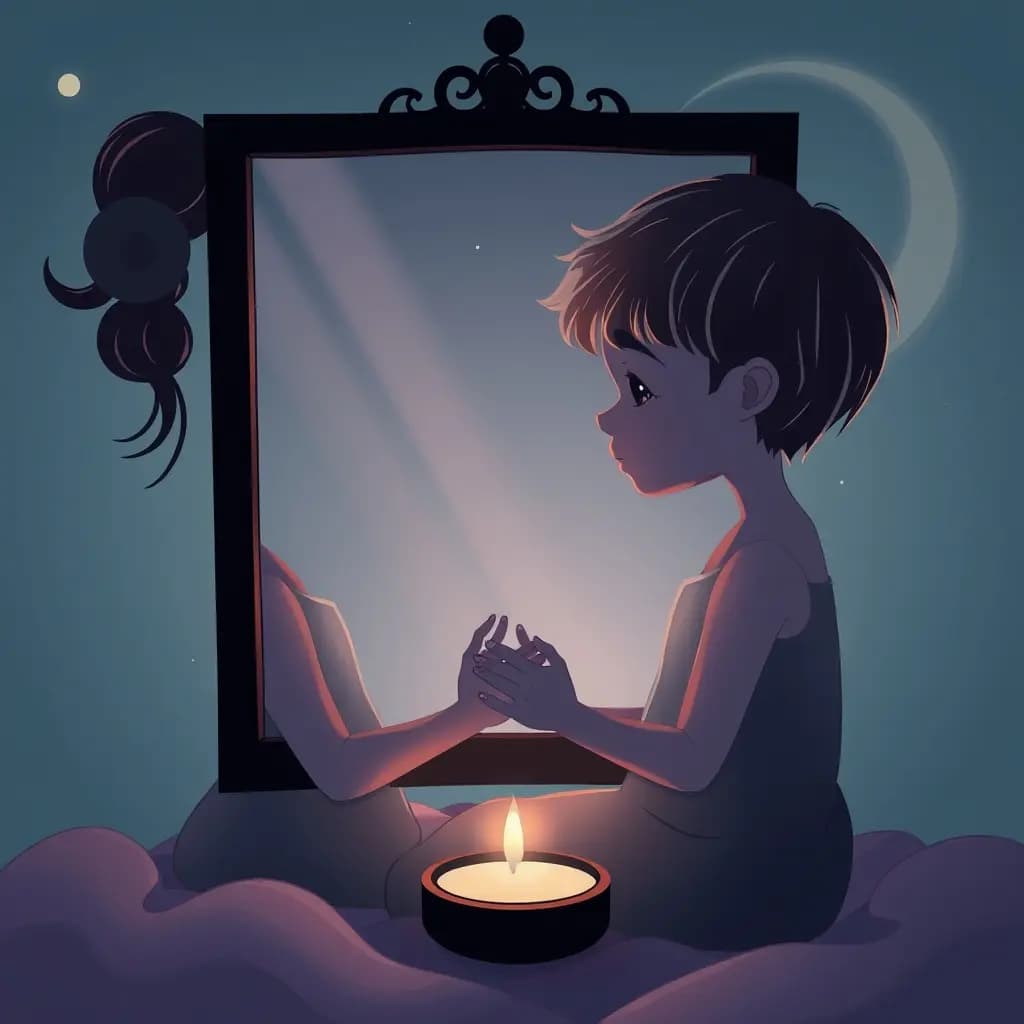
Dreaming about a younger version of your reflection often points to themes of memory, innocence and parts of yourself that feel stuck in the past. A mirror showing a younger you invites self-examination of early experiences, choices you wish to revisit, or qualities you want to recover. The precise meaning depends heavily on how you felt in the dream and the surrounding details.
General meaning of dreaming about Younger version of your reflection
Mirrors in dreams are classic symbols of self-awareness and how you present yourself to the world. When the reflection looks younger, the dream typically brings attention to earlier stages of your life—your inner child, formative wounds, forgotten strengths, or a longing for simpler times. This image can be an invitation to listen to parts of yourself that were shaped long ago.
Context and emotion shape the message. A peaceful, smiling younger reflection highlights nostalgia and playfulness; a frightened or wounded younger reflection points to unresolved trauma or unmet needs. Common core interpretations include:
- Reconnecting with your inner child and buried creativity
- Unresolved childhood issues or old fears resurfacing
- Regret, nostalgia, or longing for a fresh start
- Desire to reclaim lost strengths or joy
- Feelings of vulnerability, helplessness, or a need for protection
Spiritual meaning of Younger version of your reflection in dreams
Spiritually, a younger reflection can symbolize soul-level healing and integration. Many traditions view the younger self as a repository of pure intention, original gifts, and unhealed karma. Seeing that version of you in a reflective surface can be interpreted as a call from your higher self or soul to mend, forgive, and bring light to patterns rooted in the past.
In Jungian-influenced spiritual practice this image is treated as an archetype of the inner child; in some shamanic or ancestral-healing contexts it points to lineage wounds that need attention. Across traditions the emphasis is on reconciliation—bringing compassion and energy to earlier parts of your life to restore balance.
Psychological interpretation
Fear, stress or anxiety
When the younger reflection appears anxious, scared, or trapped, the dream can mirror current stress that triggers earlier survival patterns. Under pressure people often regress to coping styles learned in childhood; the dream highlights how present threats are being processed through those old responses.
Relationships and emotional bonds
A younger reflection can reveal attachment dynamics. If you feel abandoned, ignored, or deeply longing in the dream, it can indicate unmet needs from caregivers or ongoing patterns in intimate relationships where you still feel emotionally dependent or insecure.
Control, power or vulnerability
Seeing a younger version of yourself may underline a sense of powerlessness or a loss of agency. It can point to situations where you feel unable to protect yourself or set boundaries, and it invites work on reclaiming personal power and emotional safety.
Positive meaning
- Reconnecting with playfulness, curiosity, and authentic self-expression
- Healing past wounds and integrating lessons into present life
- Reclaiming strengths you once had—confidence, creativity, resilience
- Opportunities for forgiveness of self and others
- Renewed motivation to make life changes with compassion for your past
- Increased self-compassion and emotional maturity
Negative meaning and warnings
- May suggest unresolved trauma or emotional wounds that need attention
- Can indicate repeating relationship patterns or unprocessed grief
- May point to avoidance of adult responsibility by clinging to the past
- Can indicate vulnerability to manipulation if boundaries are weak
- May suggest fear of aging, regret, or a sense of stagnation that requires action
Common variations of dreams about Younger version of your reflection
- Seeing a child-version of yourself in a mirror: Often highlights inner-child needs, nostalgia, or early memories asking for acknowledgment. It can be gentle or urgent depending on how the child appears.
- Younger reflection smiling and playing: Suggests reconnection with joy, creativity, and a chance to revive forgotten interests or hobbies.
- Younger reflection crying or wounded: Points to unprocessed grief or trauma from the past that may need compassion and possibly therapeutic attention.
- Younger reflection speaking to you: May carry a clear message from your unconscious—advice, a memory worth revisiting, or a truth you have been avoiding.
- Younger reflection trying to reach out or get out of the mirror: Can indicate a strong drive to integrate past parts into your present life or a need to actively heal those aspects.
- Younger reflection injured or bruised: Often signals past hurt that still affects current behavior or relationships and may need deliberate care to heal.
- Watching your younger reflection age or change rapidly: May reflect anxiety about time, missed opportunities, or a pressing need to resolve something before it’s too late.
What to do after such a dream
- Reflect on the emotions you felt in the dream: note whether the younger reflection felt safe, scared, loved, or ignored.
- Journal specifics: setting, actions, dialogue, and how those details map onto current life situations.
- Look at relationships, responsibilities, and recent triggers that might have activated old patterns.
- Consider inner-child work: gentle journaling, guided meditations, or creative expression (art, play, music) to give voice to younger needs.
- If the dream highlights trauma or overwhelming emotions, consider speaking with a trusted therapist or counselor experienced in inner-child and trauma-informed approaches.
- Use small, practical steps to reclaim agency: establish clearer boundaries, practice self-care rituals, and allow time for gradual healing.