Dream About Loneliness – Meaning
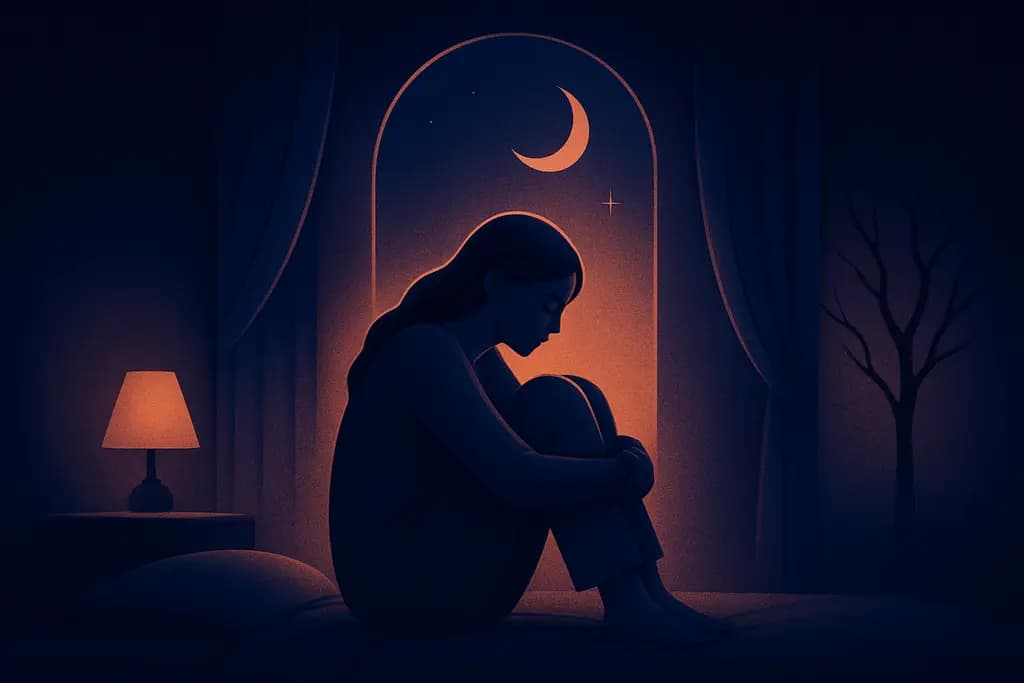
Category: Feelings
A typical dream scenario
You wake in the middle of a fluorescent-lit station, gripping a suitcase that's suddenly lighter than it should be. The announcement speakers hiss without names, your phone shows no new messages, and your footsteps echo in a tunnel that used to be busy. There's a pressure at your chest—real-world exhaustion from long hours, recent arguments, or a move—pressed into the dream as a hollowed-out, empty space where people should be. The scene feels precise, sharp, and quietly accusatory.
Unusual details people report
Reportable images include rows of empty chairs in a waiting room, a locked front door with a familiar key in your pocket, rain tapping only on one side of a window, a crowd that passes without looking at you, or a bus arriving and leaving with its lights on but no driver. Physical reactions—tearing, numbness, or the feeling of clothes sticking to your skin—are common.
What this dream usually means
This dream commonly points to emotional distance—either missing people you once relied on or feeling cut off from parts of your own identity. It may signal unmet social needs, a period of inner change, or a temporary withdrawal after stress. Notice whether the loneliness felt frightening, peaceful, or resigned; that tone steers the advice: reach out if it felt painful, hold the solitude if it felt restorative. An emotional detail often matters more than the setting here.
Three common meanings
- 1. Social disconnection. The dream points to unmet social needs: invitations you declined, gaps in your friendship circle, or recent conflicts that left you isolated. If the scene felt urgent or panicked, it may be telling you your support network needs attention. Practical next steps include identifying one person to call and scheduling a brief, low-pressure meet-up to re-establish contact.
- 2. Inner separation. Sometimes loneliness represents estrangement from a part of yourself—creativity, confidence, or a role you’ve left behind. This shows up when life changes force you to shed habits or identities. The image of emptiness can be an invitation to reclaim a lost activity or give grief space. Try a small ritual that honors what you miss: a photo, a journal entry, or a short practice that reawakens that part.
- 3. Transitional limbo. Dream loneliness often accompanies liminal periods—moving cities, ending a relationship, starting a new job. The dream marks the uncomfortable middle: not yet integrated into the next phase. That solitude can be practical, preparing you to learn or reset. Consider logistical moves that ease transition (joining a local class, setting regular check-ins) rather than forcing immediate emotional closeness.
- 4. Protective withdrawal. At times the isolation is self-imposed: a defense against hurt, an attempt to process betrayal, or a boundary-setting act. The dream may dramatize solitude as a holding pattern while you gather strength. If the feeling carried relief alongside sorrow, it could be adaptive—giving you space to heal. Still, watch for long-term avoidance patterns that cut off needed support.
Psychological perspective
In many cases, this dream aligns with attachment and regulation processes: when relationships or routines change, your brain stages scenarios that spotlight absence. Psychologically, it's a cue to map where you feel unsupported versus where you’ve chosen solitude. Use it to inventory relationships, notice recurring emotional triggers, and practice small re-regulation techniques—deep breathing, brief social outreach, or scheduled offline reflection—without labeling yourself as defective.
What this dream is rarely about
This dream is rarely a literal prediction that someone will abandon you or that you'll end up alone forever. It does not usually forecast specific events; instead, it reflects your perceived emotional position right now. Say, it seldom means your circle will vanish overnight. Treat it as a barometer of feeling rather than a fortune-telling device.
When to take this dream seriously
Take this dream seriously when it recurs, appears after a big life change, or comes with intense fear or numbness. Recurrence suggests an unresolved issue—relationship friction, unresolved grief, or a persistent habit of self-withdrawal. If it coincides with prolonged stress, insomnia, or avoidance of social activity, act sooner: speak with a trusted friend, set one reachable social goal per week, or journal about what you fear losing. Addressing the pattern early prevents the dream from becoming a longer-term mirror of isolation.
FAQ
Why do I feel fear in this dream?
Fear often appears because the dream highlights a basic need—safety and belonging—being unmet. Your brain stages that threat as a visceral experience, so the fear is a signal to examine who or what you feel cut off from.
Is this dream a warning?
Usually not. The dream tends to reflect current emotional states and relational gaps rather than foretelling events. Treat it as information about your inner life, not a literal warning.
Is this about relationships?
Sometimes. If people or familiar faces are missing, the dream may point to relationships that need attention. But it can also be about internal parts of yourself rather than other people.
Is this about money?
Rarely. Loneliness dreams focus on emotional connection, not financial conditions. Unless money or poverty imagery was explicit in the dream, it probably isn’t primarily about finances.
Related dream meanings
If this dream keeps returning, pages about Being Ignored, black climbing, and black crying can reveal the related patterns underneath it. They often overlap around insecurity, transition, or stress in everyday life. You may also want to compare it with black Riding a Bike if the same mood or conflict keeps showing up.