Dream About Discovering a Hidden Room – Meaning
Category: Events & Situations
What this dream usually means
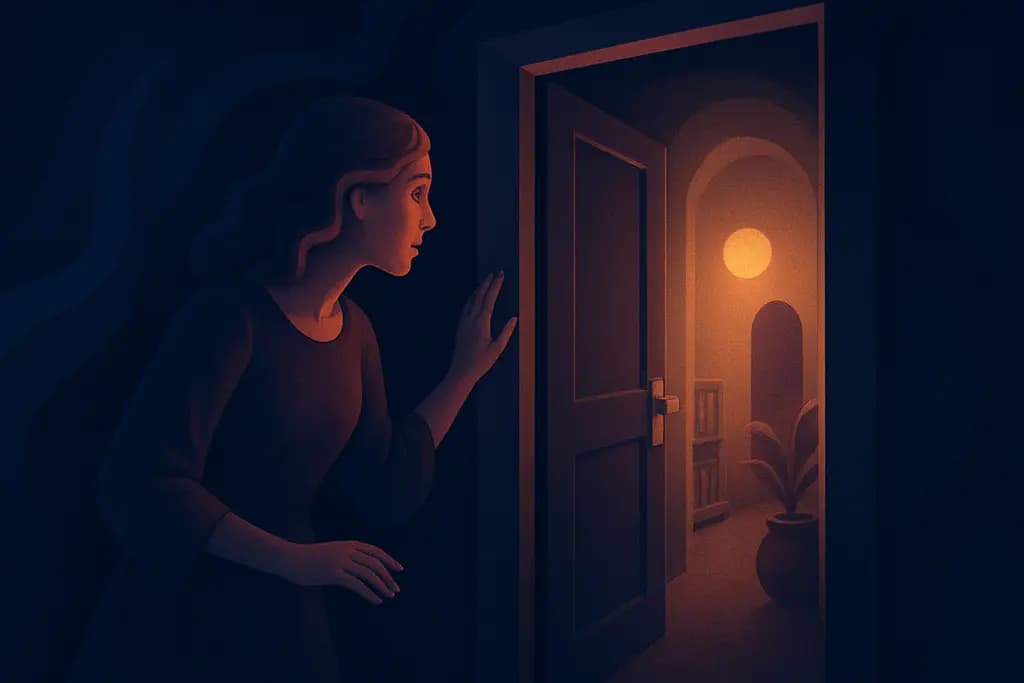
Finding a hidden room commonly points to encountering a part of your life or self that was out of sight: a suppressed memory, a neglected talent, or an opportunity you hadn’t noticed. The emotional tone — relief, fear, curiosity — and what you find inside matter most: a dusty archive suggests forgotten memories; bright tools or awards suggest latent skills; locked trunks hint at secrets you’re protecting. This dream often signals a readiness to acknowledge or use something newly discovered within your life.
Psychological perspective
In real life, this dream often reflects the mind’s process of integrating what was unconscious into awareness. Psychologically, discovering a new room can signal that your attention is shifting — perhaps because of a life event (job change, parenthood, breakup) that forces reappraisal. The mind uses concrete images — doors, trunks, light — to organize feelings: safety versus threat, approach versus avoidance. Notice whether you explore willingly or back away; that reaction reveals readiness to work with the material the dream presents.
What this dream is not literally saying
This dream is rarely a literal map to a physical hidden room or a prophecy about finding material treasure. It does not usually predict an external event in exact terms. Instead of reading it as a literal forecast, treat the dream mainly as symbolic guidance pointing to internal material — feelings, memories, or potential — rather than a direct real-world instruction.
Key interpretations
- 1. Buried memory or unresolved emotion. The hidden room can represent memories or feelings you have shelved. If the space contains family photographs, letters, or a childhood bed, the dream often reflects past events surfacing now — perhaps around a reunion, anniversary, or loss. Emotion in the dream will direct you: shameful or heavy contents suggest grief or regret; bright, nostalgic objects can indicate a gentle reconnection with a previously neglected part of yourself.
- 2. Untapped skill or opportunity. When the room contains tools, instruments, or clear workspace, it commonly symbolizes abilities or chances you haven’t yet used. This scenario often appears during career changes, creative blocks, or after someone opens a door for you in waking life. The dream’s mood — excited, anxious, hesitant — helps indicate whether you feel ready to claim that possibility or are uncertain about stepping into a new role.
- 3. Secret kept or boundary tested. A locked or hidden chamber can point to something intentionally concealed: a relationship detail, a private choice, or a boundary you’ve maintained. Finding it may signal a test of whether you will keep the secret, reveal it, or renegotiate privacy. If the room feels claustrophobic or crowded, the dream may be urging you to reassess boundaries that are causing stress or to decide who you let in.
Specific details people often mention
People often report specific sensory details: a squeaky hinge, a shaft of sunlight hitting an old rug, a rusted key that fits, portraits with missing faces, the smell of cedar or mildew, and the sudden quickening of the heartbeat as you step inside.
Why recurring versions matter
This dream becomes especially important when it repeats, appears during periods of major transition, or follows sustained stress. Recurrence suggests unresolved material still seeking attention. If you wake anxious, unable to sleep, or fixating on the room’s contents afterward, the dream is nudging you to act — journal, talk with someone, or try the new skill it hinted at. If the dream accompanies a life change, it can function as a rehearsal for decisions you face.
Symbolic meaning across traditions
Meanings vary across cultures. Western psychological traditions emphasize discovery of inner content; folk tales often treat hidden rooms as literal thresholds to family secrets or inherited fate. In some Indigenous or shamanic views, concealed spaces connect to ancestral knowledge; in other societies, they signal hidden shame or forbidden knowledge. There’s no single cultural verdict: interpret the dream with respect for your own cultural background and the particular symbols that resonate for you.
Common questions
What should I do after this dream?
After this dream, take a brief inventory: write what you remember, note the strongest emotion, and schedule one small action (a conversation, a creative test, or a memory check) that corresponds to what you found.
Is this about relationships?
Sometimes. If the room’s contents involve people, letters, or relationship objects, the dream can reflect relational dynamics — secrets, unmet needs, or new roles — but not every version is primarily about intimacy.
Is this dream a warning?
Not usually. The dream is rarely a literal warning about imminent danger; more often it highlights something internal you haven’t acknowledged. If you woke frightened and feel unsafe in waking life, address that practical concern first.
Is this about money?
Occasionally. If the room contains money, ledgers, or tools tied to work, the image may point to financial opportunities or worries. Otherwise, the symbolism is more often about value, potential, or resources you haven’t used yet.
Related dream meanings
If this dream keeps returning, pages about Alien Abduction, Attending a funeral, and Attending a Wedding as a Guest can reveal the related patterns underneath it. They often overlap around insecurity, transition, or stress in everyday life. You may also want to compare it with Being late to a wedding if the same mood or conflict keeps showing up.