Dream About Attending a funeral – Meaning
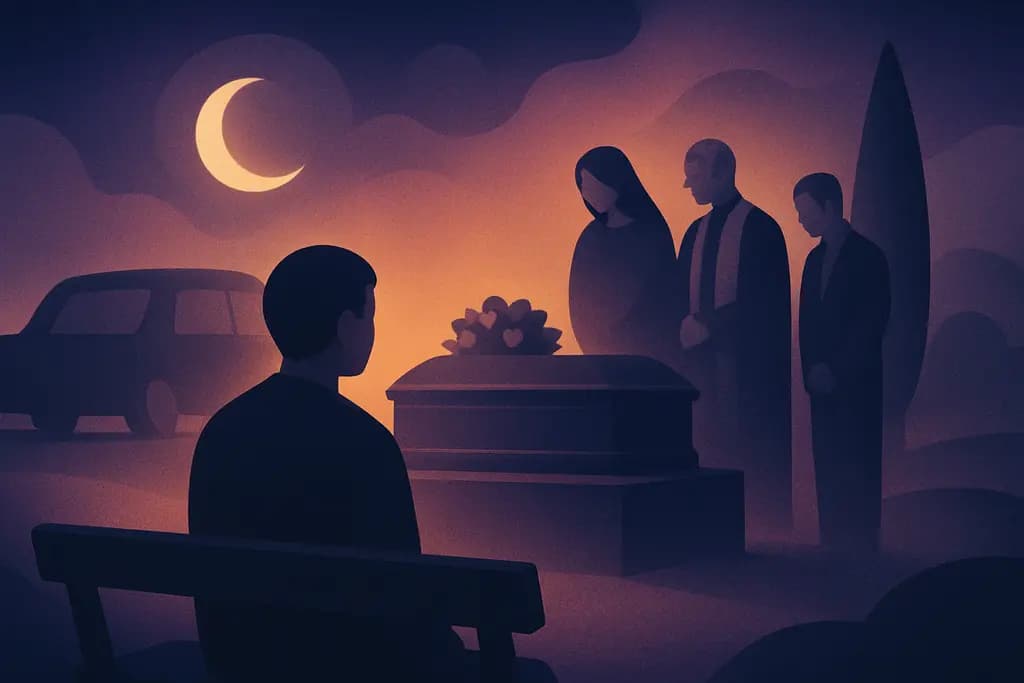
Category: Events & Situations
What this dream usually means
Most often, attending a funeral in a dream means you are mentally rehearsing an ending: the close of a relationship, the end of a job, or the symbolic death of an old habit. The scene acts like a ceremony for a change you haven’t fully acknowledged; your emotions in the room—relief, guilt, numbness—point at whether you are ready to let go or still carrying unfinished business.
What your mind may be processing
Psychologically, this dream commonly reflects how your memory and emotions tag a change as significant enough to require ceremony. The brain uses familiar ritual imagery — mourners, speeches, seating — to organize feelings about endings and to practice saying goodbye. Dreams of funerals may bring up avoidance, unresolved conversations, or guilt; they also allow rehearsal of acceptance. If you felt numb in the dream, that can signal emotional overload; strong grief suggests unprocessed loss that your mind is still integrating.
What this dream is rarely about
This dream is rarely a literal prediction that someone will die soon. In real life, funerals in dreams do not function as prophetic warnings. Instead, the image of a funeral usually serves as a symbolic scene for endings, not a timetable for real-world events. Emotionally, it can feel frightening but that fear is more about loss or change than actual mortality.
Three common meanings
Ending a life chapter. The funeral represents a concrete ending: leaving a job, finishing a long project, or divorcing. If you recognize faces of coworkers or the setting is a familiar office chapel, the dream is spotlighting professional identity and the grief that comes with closing that door. Notice whether you are openly mourning or relieved — that contrast shows whether you need ritual or practical steps to move on.
Processing personal grief or regret. When a loved one or unresolved relationship appears, the dream often reflects ongoing sorrow, guilt about things unsaid, or the need to forgive. A closed casket or blocked view suggests you can’t reach closure; an open casket or a whispered conversation hints at processing and reconciliation. This angle points toward emotional work: letters, conversations, or symbolic goodbyes.
Fear of change and identity loss. If the attendees are strangers or your own face appears in the coffin, the dream often expresses anxiety about losing a role or sense of self — retirement, parenthood changes, or moving countries. The funeral becomes a rehearsal for a feared future, letting you feel the consequences of change in a controlled scene so you can prepare or adjust expectations.
Concrete details that tend to stand out
People report rooms with too-bright fluorescent lights, a lone white lily on a polished coffin, a sudden rainstorm outside the church, a distant funeral bell, or the discomfort of wearing the wrong clothes. Small, concrete items — a woman’s fur coat, a child’s toy on a pew, a stopped clock — often stick in memory.
When this dream deserves attention
This dream deserves attention when it repeats, wakes you in distress, or follows a major life change like moving, a breakup, job loss, or illness. Recurrence suggests unresolved issues; intense emotion on waking means the dream is still working on something you haven’t processed. Consider the dream important enough to journal details, notice patterns, and take small real-life actions — a conversation, a symbolic ritual, or practical planning — to resolve the tension it reveals.
Symbolic meaning across traditions
Meanings differ across cultures. In many Western contexts, funerals symbolize closure and public acknowledgment of loss. In cultures with strong ancestor rituals, a funeral dream might be read as a visit from forebears or a call to duty toward family traditions. Some communities interpret such dreams as transitional rites marking rebirth rather than finality. Because cultural lenses shape symbol use, compare the dream’s imagery with your own customs before drawing conclusions.
Common questions
What should I do after this dream?
Write down the details as soon as you wake, note who was there and how you felt, then use those notes to identify a real-life ending to address—talk to someone, schedule a goodbye, or create a small ritual of closure.
Why do I feel fear in this dream?
Fear usually comes from anticipating loss of control, identity, or connection; the dream stages those anxieties so you can rehearse outcomes. Physical reactions often mirror real worry about change rather than immediate danger.
Is this dream a warning?
No, it is rarely a literal warning. More often it signals upcoming or ongoing change you should prepare for. If practical danger were involved, look for concrete, verifiable signs in waking life rather than treating the dream as prophecy.
Why does this dream repeat?
Repeating funeral dreams mean your mind hasn’t settled on an ending—either you haven’t acknowledged it, you’re avoiding necessary action, or emotion is still unresolved. Repetition is an invitation to act or process what’s unresolved.
Dream meanings connected to this one
People who dream about attending a funeral often end up exploring Attending a Wedding as a Guest, Funeral, and Funeral scene next, because the same pressure can show up through different symbols. Comparing them usually makes the emotional pattern clearer. You may also want to compare it with Alien Abduction if the same mood or conflict keeps showing up.