Dream About crying in house – Meaning
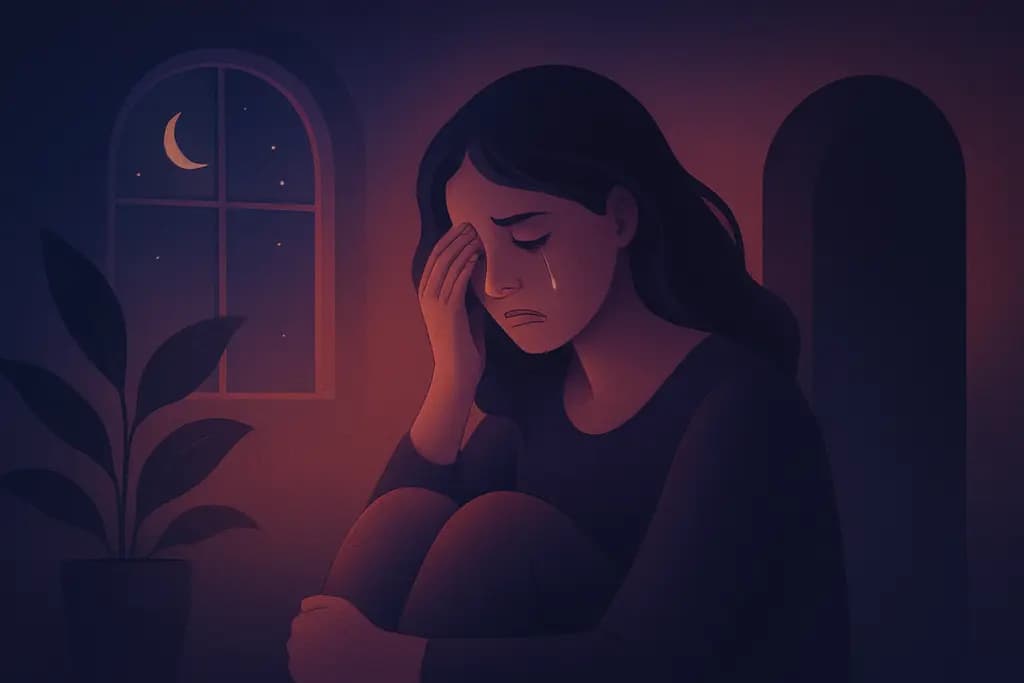
Category: Feelings
Quick interpretation
This dream most directly points to private emotional processing in a place you associate with safety: the house. Crying inside it is commonly associated with releasing feelings you keep from others, unresolved grief, or anxiety about changes in family or home life. It may suggest your inner world needs attention — not necessarily a crisis, but a signal to acknowledge what you’ve been holding in. There may be relief mixed with sadness; the dream often marks a turning point toward acceptance or action.
A common version of this dream
You stand in the kitchen of your childhood home at night, the light above the sink low, and you begin to cry without explanation. The sound fills empty rooms: soft at first, then choking. You notice the pattern of tiles under your feet, an unlocked window, and a scent of frying oil or rain. Awake emotions — shame, relief, exhaustion — follow you into the dream and shape how loudly the crying echoes through familiar walls.
Emotional and symbolic meanings
- Private grief and release. Crying alone in a house often represents grief you don’t express publicly. The house symbolizes your private self; sobbing there can mean you’re finally letting sorrow out in a safe inner space. This dream may appear after a loss, a breakup, or a long period of emotional suppression and points to the beginning of emotional processing rather than sudden closure.
- Fear about belonging or home roles. When the crying feels anxious or defensive, the dream can highlight worries about fitting into family roles or fear of losing your place. The rooms and who occupies them may indicate which relationships feel strained. It may prompt you to examine expectations you’ve accepted and whether they align with who you want to be.
- Overwhelm and need for boundaries. Loud, uncontrollable crying in a crowded or cluttered house suggests overwhelm from responsibilities or boundary erosion. The dream signals a need to set limits, delegate tasks, or carve out private time. Emotionally, it’s a call to protect your energy and create a quieter, more manageable inner environment.
- Transition and emotional reorganization. If the crying ends with a sense of calm or clearing, the dream may mark an emotional transition: reorganizing priorities, letting go of an old identity tied to the home, or preparing for a life change. It’s commonly associated with small but meaningful shifts—packing a room mentally, even if you are not moving physically.
What this dream usually does not mean
This dream is rarely a literal prediction about your home being unsafe or someone in the house actually crying. It does not usually forecast concrete events like property damage or immediate family drama. Instead, it functions primarily as an emotional symbol: a mirror of inner states rather than a future timeline, so avoid treating it as a direct warning about real-world occurrences.
Unusual details people report
People often report specific imagery like a locked bedroom door, rain tapping the roof, a hallway that stretches too long, or the echo of a crying baby down the stairs. Sometimes clothing gets wet with tears or a family portrait watches from the wall; such details intensify the sense of intimate space and memory.
How different traditions interpret it
Meanings vary across cultures and spiritual traditions, and this dream’s significance shifts depending on communal values about privacy, family, and emotion. In some cultures public crying is a call for communal support, while in others it’s guarded and private. Interestingly, collectivist settings may read the dream as a prompt to restore family harmony, while individualist contexts emphasize personal boundaries. Always consider your cultural background and family norms when weighing interpretations.
What to ask yourself
- Which room in the dream felt most meaningful, and what memories do I associate with that room now?
- Who in my waking life holds the role of caretaker or critic, and how might that influence my feelings at home?
- What small, practical step (a conversation, boundary, or quiet ritual) could I try this week to honor the emotion the dream reveals?
Common questions
Can this dream be positive?
Yes. This dream can be positive when it ends with relief, acceptance, or a calmer atmosphere—signs you’re processing and making emotional space, which is a healthy step toward healing.
Why does this dream repeat?
Repeating dreams often occur because the underlying emotional issue hasn’t been fully acknowledged or resolved. The repetition nudges you to pay attention and to take concrete steps to process the feeling.
Is this about relationships?
Often it relates to relationships in a symbolic way—how safe, seen, or burdened you feel among family or household members—rather than describing specific romantic or family events.
Related dream meanings
People who dream about crying in house often end up exploring black crying, climbing in house, and Crying next, because the same pressure can show up through different symbols. Comparing them usually makes the emotional pattern clearer. You may also want to compare it with crying chasing me if the same mood or conflict keeps showing up.