Dream About being hungry in a dream dream meaning – Meaning
Category: Food & Drink
A common version of this dream
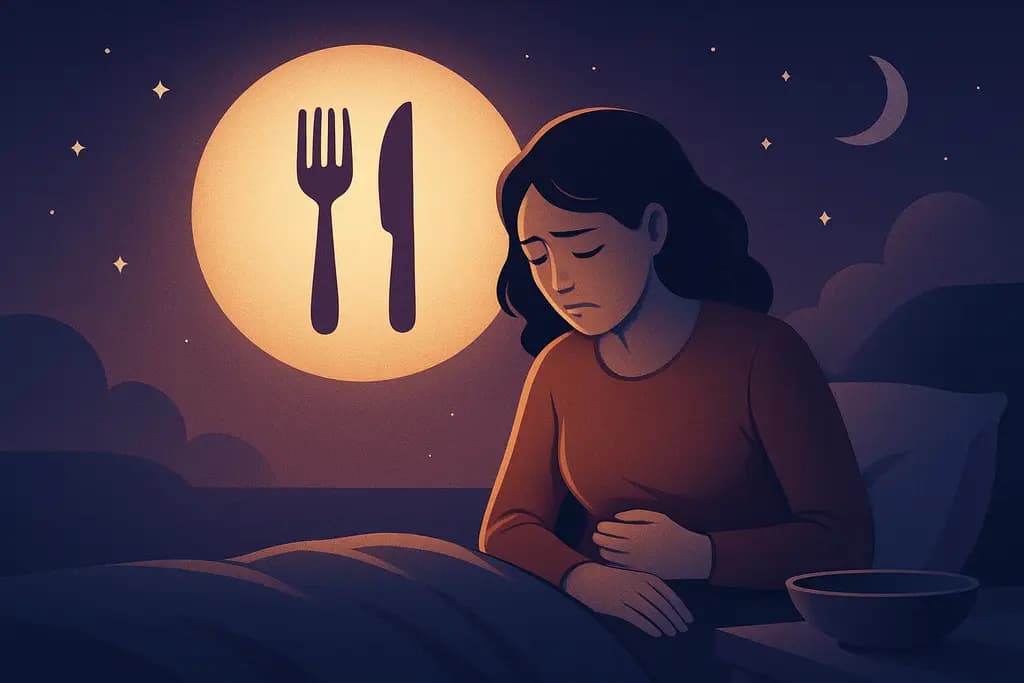
You are at a late-night kitchen island, the house quiet except for the fridge’s hum. Your stomach growls; you open cabinets to find mismatched, half-empty boxes and a locked pantry door. A sense of frustration wells up — not just physical hunger but a tightness in your chest, the memory of skipping meals during a busy week, or the embarrassment of asking someone for help.
What this dream usually means
A hungry dream most commonly signals unmet needs in waking life: emotional comfort, creative fulfillment, or practical resources like time and money. It often appears when you feel cut off from support — for example, after a breakup, during a demanding job, or while caring for a newborn. Interestingly, the dream can use physical appetite as shorthand for longing: appetite for attention, for rest, or for the next step in a project. Notice whether the dream’s hunger urges you toward connection or action.
How this dream can be interpreted
- Emotional or relational hunger. This interpretation sees hunger as an emotional gap: unmet affection, attention, or validation. If you’ve been avoiding a difficult conversation, missing a friend, or feeling isolated at work, the dream may dramatize that ache. There’s often a mix of frustration and longing — you might wake up with a sense of urgency to reach out or to set a boundary so your needs are noticed.
- Ambition and creative appetite. Hunger can reflect a drive for achievement or creative fulfillment: projects stalled, ideas unexpressed, or a career plateau. The empty plate becomes a symbol of potential that hasn’t been fed. In this reading, the dream may push you to schedule time for the work you always say you’ll start, to seek new collaborators, or to accept that unfinishedness is part of the process.
- Practical lack or bodily cue. Sometimes the dream points to concrete shortages — sleep debt, irregular meals, financial pressure, or simple exhaustion. It may also surface after real physical hunger or as a reminder to care for your body. The dream tends to highlight what practical support would reduce the stress: a proper meal, routine, or asking others for help with chores or finances.
What this dream usually does not mean
This dream is rarely a literal prediction about immediate scarcity or impending harm. It does not usually mean you will experience physical starvation. Instead, the image of hunger most often works metaphorically — a signal about lack, longing, or delayed satisfaction rather than a forecast of material events. Treat it as a prompt, not a prophecy.
Concrete details that tend to stand out
People often recall specific sensory images: a locked pantry key on the floor, a sizzling skillet with no food, rain pattering on a kitchen window, a crowded cafeteria with everyone else eating, or a sudden metallic taste in the mouth. Sounds like a distant engine or the buzz of fluorescent lights also register strongly.
What your mind may be processing
From a modern psychological viewpoint, hunger imagery frequently reflects how the brain translates internal deficits into vivid, bodily sensations. Sleep, stress, and reward circuitry influence dream content, so unmet goals or emotional deprivation can show up as appetite. The dream gives a motivational nudge: it makes lack feel urgent so you’ll notice it on waking. Use the emotion the dream leaves you with — unease, embarrassment, resolve — as data about what your mind wants you to address.
When to take this dream seriously
Take this dream seriously when it repeats, wakes you in distress, or appears after a major transition like a move, job change, or loss. Recurring hungry dreams suggest an unresolved deficit that your waking strategies haven’t fixed. If the dream coincides with prolonged sleep loss, financial strain, or caregiving overload, prioritize practical changes (meals, rest, delegation) and honest conversations with people who can help.
Common questions
Can this dream be positive?
Yes. When the hunger points to renewed desire — for connection, work, or learning — the dream can be motivating and positive, urging you toward growth rather than loss.
Is it related to stress?
Often yes. Stress, long hours, and emotional overload commonly trigger hungry dreams because they heighten sensitivity to what’s missing in daily life.
Why does this dream repeat?
Recurring hunger dreams usually mean the underlying issue hasn’t been resolved: persistent need, ongoing stress, or repeated behavior patterns that keep the dream’s image active.
Related dreams to explore
If this dream keeps returning, pages about eating unknown food in bed dream, eating unknown food and getting sick in a dream, and being hungry in a dream chasing food can reveal the related patterns underneath it. They often overlap around insecurity, transition, or stress in everyday life. You may also want to compare it with being hungry in a dream and can't eat if the same mood or conflict keeps showing up.