Dream About Anxiety – Meaning
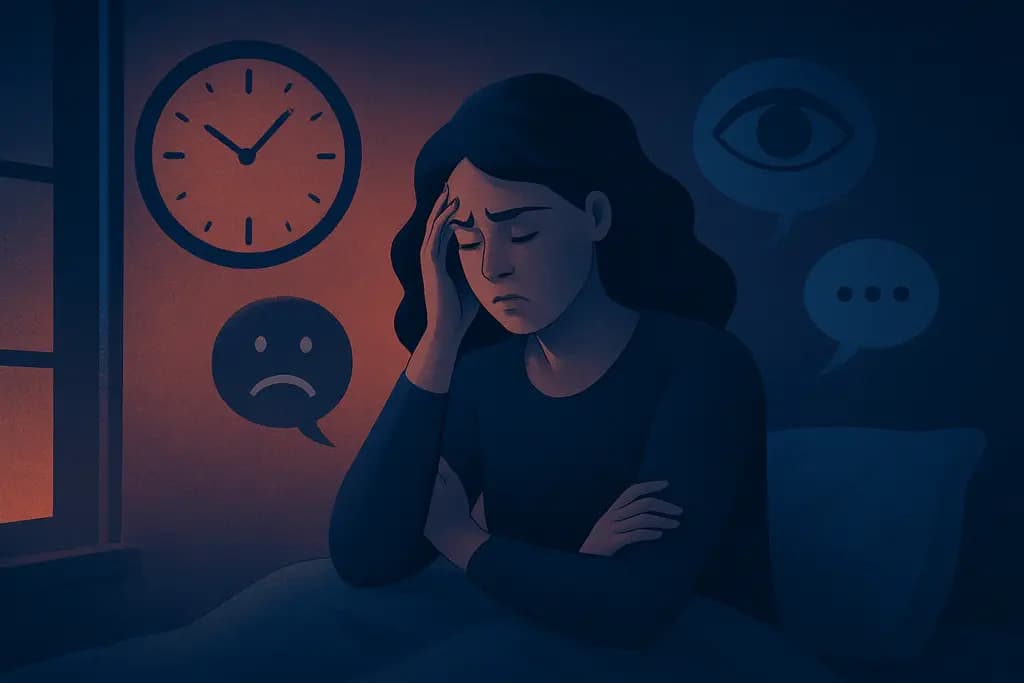
Category: Feelings
Quick interpretation
A dream of anxiety most often signals ongoing pressure rather than a prophecy. If you dream of being late, stopped by a locked door, or overwhelmed by a crowd, those images commonly represent blocked options, social expectations, and time pressure you are feeling now. This dream often points to a specific stressor — a job deadline, an unresolved argument, or a looming decision — and may be nudging you to identify one concrete next step.
Psychological perspective
From a modern psychological view, anxious dreams are often the mind's way of simulating threats to test coping strategies. In real life, your brain rehearses scenarios to sharpen responses and spot unresolved problems; that rehearsal looks like heightened emotion and repetitive imagery in sleep. Notice whether the dream focuses on decision-making, social evaluation, or safety — each suggests different regulation strategies such as planning, communication, or relaxation practice.
What this dream usually does not mean
This dream rarely works as a literal prediction of future events. It does not usually mean a catastrophic outcome will happen tomorrow. Instead of reading it as a forecast, treat the imagery as symbolic rehearsal—your mind practicing reactions to pressure. Emotionally, it can feel urgent and foreboding, but that intensity is about preparation, not proof.
How this dream can be interpreted
- 1. Immediate stressor. The dream may be a direct replay of a current pressure: a missed deadline, a performance review, or a family conflict. Locked doors or being unable to speak often stand for obstacles you hit during the day. Look for the single event or appointment in the last week that produced the strongest worry and list one concrete action to reduce that specific pressure.
- 2. Anticipatory fear. If the dream focuses on ‘what if’ scenarios — exams, interviews, or travel — it can be anticipatory anxiety: your mind running worst-case scenarios. Crowds or falling often highlight social scrutiny or loss of control. Practice brief exposure: imagine the outcome you fear for five minutes, then jot a realistic contingency plan to shorten the mental loop.
- 3. Unmet need or boundary. Anxiety dreams sometimes indicate that a need — rest, privacy, recognition — is being neglected. Scenes with people pressing in or invading a room suggest blurred boundaries. Check where you’ve said ‘yes’ out of obligation recently; setting one small boundary (a scheduled break or a ‘no’ to a request) can change the dream’s tone within days.
- 4. Habitual worry or memory replay. Some anxious dreams recycle older episodes of shame, rejection, or panic, especially after a trigger like a song, smell, or news item. Replayed locations — the same school hallway or childhood home — point to learned patterns of worry. Identifying the memory and doing a brief rewriting exercise (imagining a different outcome) can reduce repetition.
Concrete details that tend to stand out
People often report small, vivid details: a flickering hallway light, a ticking clock that amplifies, rain on a subway platform, the scrape of shoes on tile, sweaty palms, or the sound of a distant siren that raises the dream’s urgency.
Why recurring versions matter
Recurring anxious dreams tend to matter when they persist through a sustained stressor, a life transition, or an unresolved fear that keeps reactivating the same response. If the dream repeats after a specific event — a breakup, a move, a promotion — it flags a pattern worth addressing. Track frequency, triggers, and what changes on days you sleep better; a shift in those details often signals real emotional processing or the need for concrete problem-solving.
Symbolic meaning across traditions
Meanings vary across cultures. In some Western traditions anxiety in dreams is read as internal conflict about roles or productivity; in certain East Asian contexts, dream images may link to concerns about reputation or filial duty. Indigenous interpretations might emphasize communal needs or ancestral messages. Because traditions frame symbols differently, use cultural context as a lens, not a fixed answer.
Frequently asked questions
Is this about relationships?
Is this about relationships? Often it points to tension in relationships — unspoken expectations, arguments you’re avoiding, or fear of rejection. Look for people who appear repeatedly in the dream and ask what unresolved issue they represent.
Why do I feel fear in this dream?
Why do I feel fear in this dream? Fear in the dream comes from your brain simulating threat and testing reactions; bodily sensations (racing heart, sweating) amplify the emotion so you rehearse coping strategies.
Is it related to stress?
Is it related to stress? Yes, it commonly reflects current stressors such as deadlines, conflict, or transition. The dream highlights what your mind considers urgent and may push you to take one practical step.
Is this about money?
Is this about money? Sometimes — if the dream’s images center on bills, losing a job, or being unable to pay, it can reflect financial worry. Otherwise look for more specific symbols tied to work, security, or status.
Related dreams to explore
Dreams about anxiety are often connected to Being Ignored, black climbing, and black crying. Looking at those nearby themes can help you compare control, fear, pressure, or change across similar dream scenes. You may also want to compare it with black Riding a Bike if the same mood or conflict keeps showing up.