Dream About Antique Doll Sitting at the Table – Meaning
Category: Paranormal & Mysteries
A common version of this dream
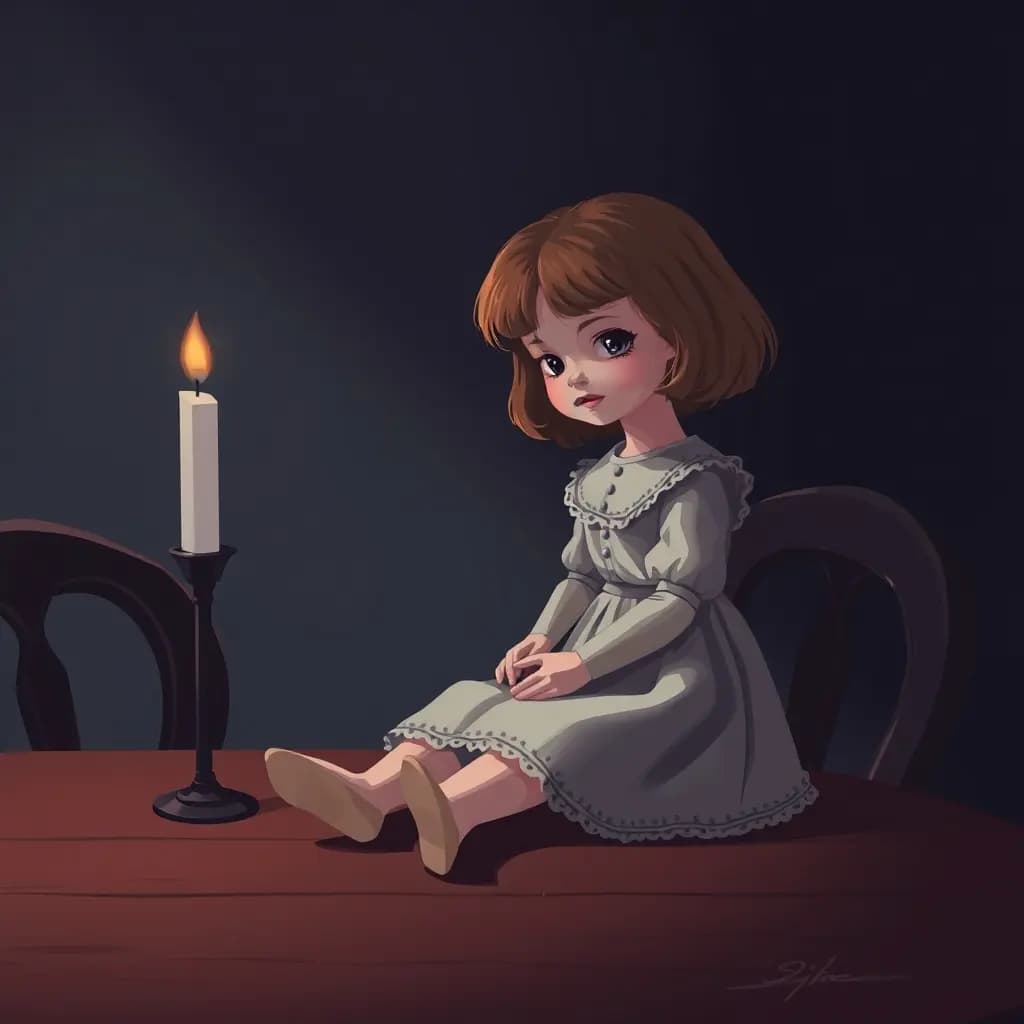
You dream you enter a dim dining room where an antique porcelain doll sits perfectly upright at the head of the table. Its dress is faded, lace yellowed, and a single teacup rests before it. You feel a mix of nostalgia and chill as the clock ticks loudly; family photos line the wall and someone’s scent — perfume or old cedar — hangs in the air. Your hands are empty, but the doll’s glassy eyes seem to be waiting for you to speak.
What this dream usually means
This dream commonly points to unresolved childhood material — a memory, a family role, or a duty that still shapes you. An antique doll at a table often signals feelings of being observed, judged, or required to perform; it can reflect inherited expectations (caregiving, perfectionism) or the quiet persistence of a past event that won’t let you move on. Expect the dream to highlight emotional scripts rather than literal danger, and to bring up specific scenes or voices from your past.
How this dream can be interpreted
- 1. Inherited roles and caretaking expectations. An antique doll at the table can represent a role you inherited — eldest sibling, family mediator, or quiet caretaker. The formal setting (table, teacup, photos) highlights ritualized behavior: being polite, holding tensions inside, or maintaining appearances. The doll’s stillness may mirror how you perform composure while absorbing others’ demands; the dream may invite you to notice where you’re doing emotional labor without acknowledgement.
- 2. Persistent childhood memory or unresolved shame. The porcelain face can stand for a frozen moment from childhood: a reprimand, a secret, or an awkward family ritual. The dream often surfaces when a memory won’t integrate — you feel watched by that moment. The table suggests a communal setting, so the unresolved material may involve family gatherings, holiday stress, or an incident that defined your family identity. The dream nudges you toward naming and processing that memory.
What this dream is rarely about
This dream is rarely a literal prediction about a haunted object or immediate physical danger. It does not usually foretell specific events like a lost heirloom or an encounter with a spirit. Instead, the doll most often stands in for memories, family roles, suppressed feelings, or symbolic reminders of how you were expected to behave. Treat it as emotional symbolism, not a factual forecast.
Concrete details that tend to stand out
People often notice a ticking clock, a cracked teacup, the doll’s sewn lashes, rain drumming on the window, creaking floorboards, or the smell of mothballs and cedar. Some dreamers hear distant children laughing, a muffled radio, or feel a sudden chill along their arms when the doll turns its head.
What it can reflect emotionally
From a modern, neutral viewpoint, this dream can reflect how the mind stores unattended emotional material. The doll’s fixed expression and the table’s social context map onto internalized scripts: what you learned to show versus what you felt. If you’ve recently been in situations that echo childhood roles — family dinners, caregiving shifts, or being singled out — the dream may be your brain’s way of spotlighting unmet needs, boundaries, or grief. It encourages concrete steps like journaling the scene, noting emotions, and experimenting with small boundary changes.
Why recurring versions matter
Recurring versions of this dream deserve attention because repetition usually signals unfinished processing: ongoing guilt, repeated family dynamics, or a life transition that forces old roles back into focus. If the dream returns during a move, caregiving change, or after a family gathering, it marks a realignment moment. Repeated dreams can motivate concrete change — setting boundaries, telling your story to a trusted person, or changing rituals at family meals. The emotional nuance: a small shift in how you behave at dinner can change how the doll appears in dreams.
Common questions
Is it related to stress?
Is it related to stress? Yes. It often surfaces during or after stressful family interactions, caretaking demands, or when you feel pressure to perform calm. The imagery highlights emotional strain rather than a medical problem.
Is this about relationships?
Is this about relationships? Frequently. The table setting points to family or household relationships — roles, expectations, and unresolved tensions — though it can also reflect friendships where you feel judged or silenced.
What should I do after this dream?
What should I do after this dream? Note the concrete details (who, place, objects), journal one memory the dream triggered, and try one small boundary change at your next social meal. If the dream recurs and troubles you, talk with a trusted friend or counselor.
Related dream meanings
If this dream keeps returning, pages about Locked Room With Fresh Flowers, Poltergeist Activity, and Whispering Hallway can reveal the related patterns underneath it. They often overlap around insecurity, transition, or stress in everyday life. You may also want to compare it with Music box playing an unfamiliar lullaby if the same mood or conflict keeps showing up.