Dream About Poltergeist Activity – Meaning
Category: Paranormal & Mysteries
Quick interpretation
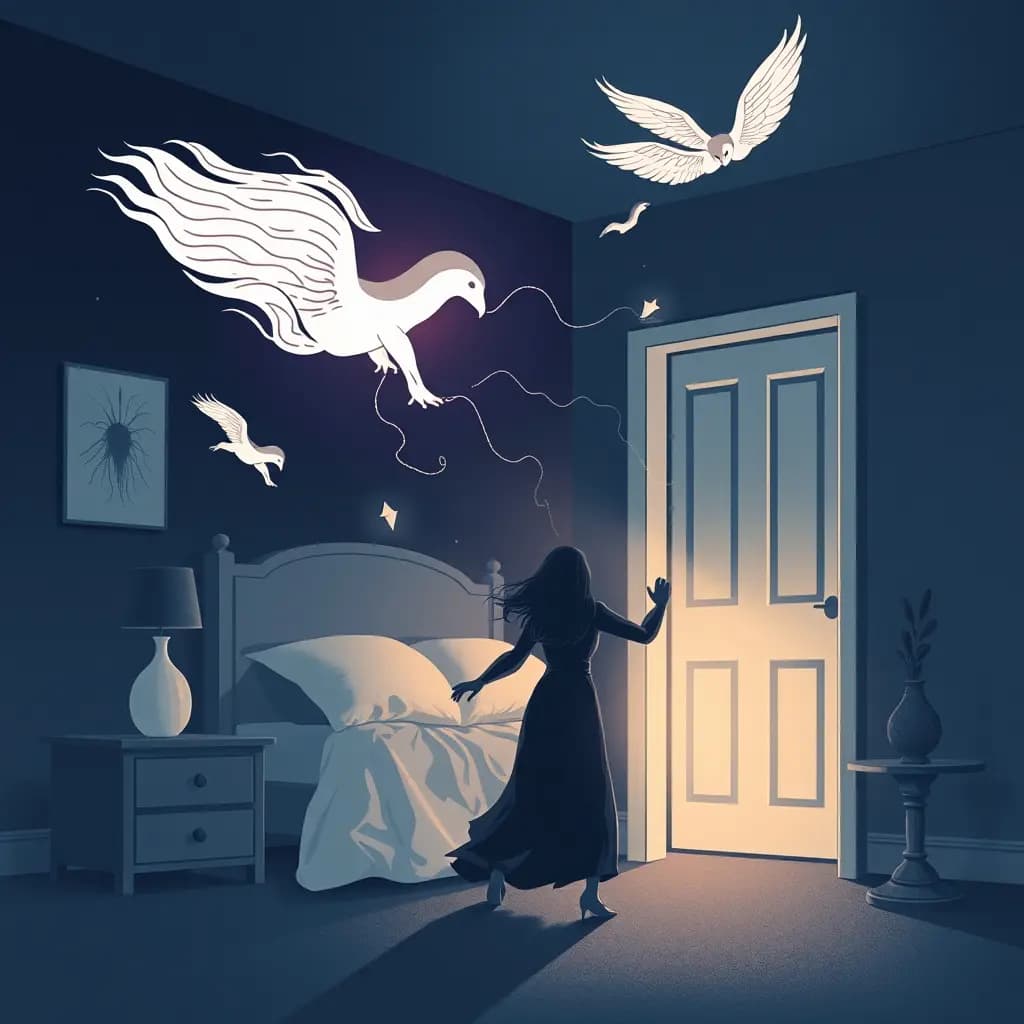
Quick interpretation: dreaming of poltergeist activity commonly reflects internal unrest—suppressed anger, boundary violations, or anxiety about sudden change—rather than proof of spirits. The objects and bangs stand in for things you feel have been knocked out of place: a job upheaval, an unexpected bill, or a relationship argument left unresolved. This dream can feel overwhelmingly violent and frightening, yet it may also highlight where you need to set limits or name a problem so the chaos stops.
Psychological perspective
From a modern psychological angle, poltergeist dreams are commonly associated with acute stress responses. In many cases, sleep processes rehearse emotions tied to recent events—sudden arguments, job instability, shame from a social mistake—and recode them as physical disturbance during REM sleep. The house, doors, or objects become symbols for violated boundaries or chaotic responsibilities. This framing is neutral and non-medical: the brain is processing a threat image, not issuing a paranormal report.
What this dream is rarely about
This dream is rarely a literal prediction of hauntings or future physical danger; it does not usually work as a straight forecast of supernatural events. Instead of expecting an actual ghost, treat the scene as symbolic: the noise and movement usually point to stressors or conflicts that feel out of control, not a real-world haunting.
How this dream can be interpreted
- Inner tension and displaced anger. Poltergeist imagery often stands for energy that has nowhere safe to go. If you’ve recently swallowed criticism, lost a job, or kept quiet about a hurt, the dream can manifest as objects being smashed or thrown—an outward dramatization of anger. The invisible force represents displaced emotion; naming the source (a coworker, a parent, an unpaid debt) and expressing it constructively can reduce the recurrence.
- Boundary breach and sudden change. A slamming door, a locked room, or things moving on their own can signal violated boundaries or abrupt life transitions: a breakup, an unexpected move, or children leaving home. The dream dramatizes loss of control and the need to re-establish limits. Practical steps—clarifying expectations, restructuring schedules, or asking for help—address the concrete situation the dream is dramatizing.
Specific details people often mention
Common, specific images include an old kitchen with cupboard doors flung open, a hallway light that flickers, the front door slamming in a rainstorm, faint electrical buzzing, a childhood coat on a chair, and an elevated pulse or tingling in the fingers as objects fly.
Why recurring versions matter
This dream becomes important when it repeats or arrives during a major life transition, sustained stress, or after a traumatic incident. Recurrence suggests unresolved material: ongoing conflict at work, repeated financial shocks, or persistent boundary violations. Pay attention when the setting matches a real place (your bedroom, childhood home) or when the same objects appear; those links point to the arena in your waking life that needs attention. Practical steps—journaling the sequence, naming the provocation, setting one boundary—often reduce intensity.
Cultural and symbolic views
Meanings vary widely across cultures. In Western folklore poltergeists are often seen as mischievous spirits linked to unsettled emotion; some African and Caribbean traditions might read disruptive phenomena as signs of witchcraft or spirit displeasure; East Asian beliefs could frame it as restless kami or yokai. Different communities prescribe different responses—from ritual cleansing to ancestor appeasement—so cultural context shapes interpretation and action.
Common questions
Why do I feel fear in this dream?
Fear in this dream comes from the brain treating boundary violation as an immediate threat: the pounding, sudden noise, and loss of control trigger the body’s alarm system. It’s a felt rehearsal of vulnerability, not proof you’re in danger now.
Is this about money?
Usually not directly. A poltergeist dream can reflect instability that includes financial stress—lost income or bills—but it more often symbolizes emotional chaos or boundary problems than a literal financial forecast.
Why does this dream repeat?
Repeating dreams signal unresolved tension or a recurring trigger—ongoing conflict at home, a repeated worry, or a habit of suppressing feelings. The brain returns to the same scene until the issue is acknowledged or managed.
Is this about relationships?
Often yes. These dreams frequently point to relationship issues: unspoken anger, power imbalances, or feeling invaded by a partner, family member, or roommate. They highlight where boundaries or communication need work.
Related dreams to explore
People who dream about poltergeist activity often end up exploring Whispering Hallway, Music box playing an unfamiliar lullaby, and Portrait whose eyes seem to follow you next, because the same pressure can show up through different symbols. Comparing them usually makes the emotional pattern clearer. You may also want to compare it with Locked Box Whispering When Opened if the same mood or conflict keeps showing up.