Dream About Your childhood home revisited – Meaning
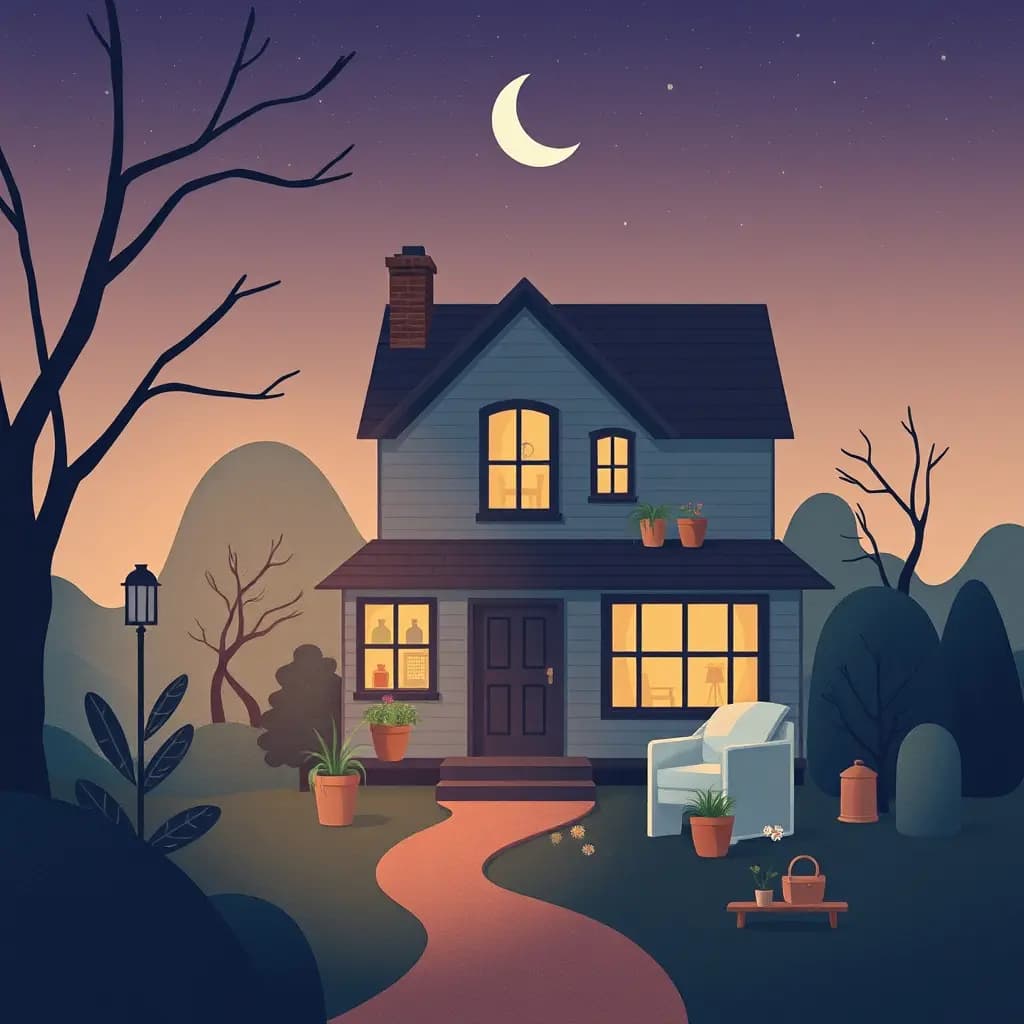
Category: Places
Dreaming of revisiting your childhood home brings a powerful mix of memory, safety and unfinished business. Such dreams often surface when current events trigger past patterns, but their meaning depends heavily on the dreamer’s feelings and the specific context within the dream. Calm, vivid or unsettling emotions in the dream will steer its interpretation.
General meaning of dreaming about Your childhood home revisited
The childhood home is a classic dream-place that symbolizes origins: family, early conditioning, identity and foundational memories. Revisiting that house usually means your psyche is re-examining roots — what you learned, what you left behind and what still shapes you.
Common core interpretations include revisiting unresolved issues, seeking comfort or certainty, and confronting parts of yourself formed in youth. The scene of the house (orderly, damaged, unfamiliar rooms) and how you feel (nostalgic, anxious, curious) guide the nuance of the message.
- Revisiting formative beliefs and habits
- Longing for security, or needing to re-establish boundaries
- Encountering unresolved relationships or childhood wounds
- Reclaiming lost parts of self or childhood strengths
Spiritual meaning of Your childhood home revisited in dreams
Spiritually, returning to your childhood home often signals a soul-level review of your life path. Many traditions view the home as an energetic anchor: it holds memories and emotional imprints that can influence your present karma or spiritual growth.
This dream can indicate purification or releasing of old energetic patterns, calling you to integrate earlier lessons before moving forward. Across believers, the message is similar: face what lingers in the foundation so that you can stand freer and more aligned now.
Psychological interpretation
Fear, stress or anxiety
When the revisit is charged with fear, it may point to unresolved anxieties rooted in childhood — criticism, abandonment, or instability. The dream often activates the same defensive responses you learned then, highlighting triggers that remain active in adult life.
Relationships and emotional bonds
If the house scenes feature parents, siblings or caretakers, the dream tends to reflect current relationship dynamics. It can reveal unmet emotional needs, patterns of dependency, or the desire for reconciliation and emotional safety.
Control, power or vulnerability
A childhood home dream can spotlight issues of control: feeling powerless then and perhaps now, or conversely, a need to regain autonomy. Locked rooms, blocked doors or wandering in unfamiliar layouts may symbolize boundaries that require attention or empowerment that was withheld.
Positive meaning
- Healing and integration: revisiting past wounds to process and move beyond them
- Rediscovery of strengths: reclaiming childlike creativity, playfulness or resilience
- Reconciliation: opportunity to forgive or reconnect with family dynamics in a healthier way
- Clarity and closure: making peace with the past so present choices become clearer
- Renewal: a turning point that allows personal growth and emotional freedom
Negative meaning and warnings
- May suggest unresolved trauma or persistent emotional triggers that need attention
- Can indicate avoidance: re-entering the past mentally rather than dealing with current issues
- May point to stagnation if the dream repeats without progress — a sign change is needed
- Can indicate boundary problems, such as being pulled back into unhealthy family roles
Use caution with definitive conclusions; these are possible angles rather than fixed outcomes.
Common variations of dreams about Your childhood home revisited
- Returning to the exact childhood house: Often points to a direct review of formative memories and patterns; emotions in the dream clarify whether revisiting is comforting or confrontational.
- Finding the house abandoned or decayed: May indicate neglected aspects of self or suppressed memories that need attention and care.
- The layout has changed or rooms are missing: Suggests your internal map of the past has shifted; memories may be reinterpreted or partly obscured.
- Seeing the house from outside only: Can reflect a desire to distance yourself from childhood issues or an inability to access certain emotions.
- Moving back into the childhood home as an adult: Might signal a temptation to revert to old behaviors or an actual life decision about family, caregiving or finances.
- Searching for something within the house: Indicates you are looking for answers in your past — identity, a lost quality or an explanation for present struggles.
- Locked out of the house or unable to enter: May represent blocked access to old emotions, trauma, or a feeling that reconciliation is currently impossible.
- Childhood home full of people from the past: Reflects unresolved relational dynamics or the influence of family narratives on your current choices.
What to do after such a dream
- Reflect on emotions: write down what you felt in the dream and any memories or names that surfaced. Emotions are the clearest guide to meaning.
- Look at current life situation: compare themes from the dream with present stressors, decisions or relationship patterns.
- Consider relationships and boundaries: think whether family dynamics or dependent roles need clearer limits or conversation.
- Identify practical steps: if the dream highlights an old wound, consider journaling, therapy, or a trusted conversation to process it.
- Use rituals of closure: symbolic acts like writing a letter (not necessarily sent), a small ceremony, or creating a personal boundary plan can help integrate the insight.
These steps aim to help you translate the dream’s insights into concrete change without treating the dream as destiny. The revisited childhood home is an invitation to reconcile past and present so you can move forward with greater clarity.