Dream About Wild animals in your house – Meaning
Category: Places
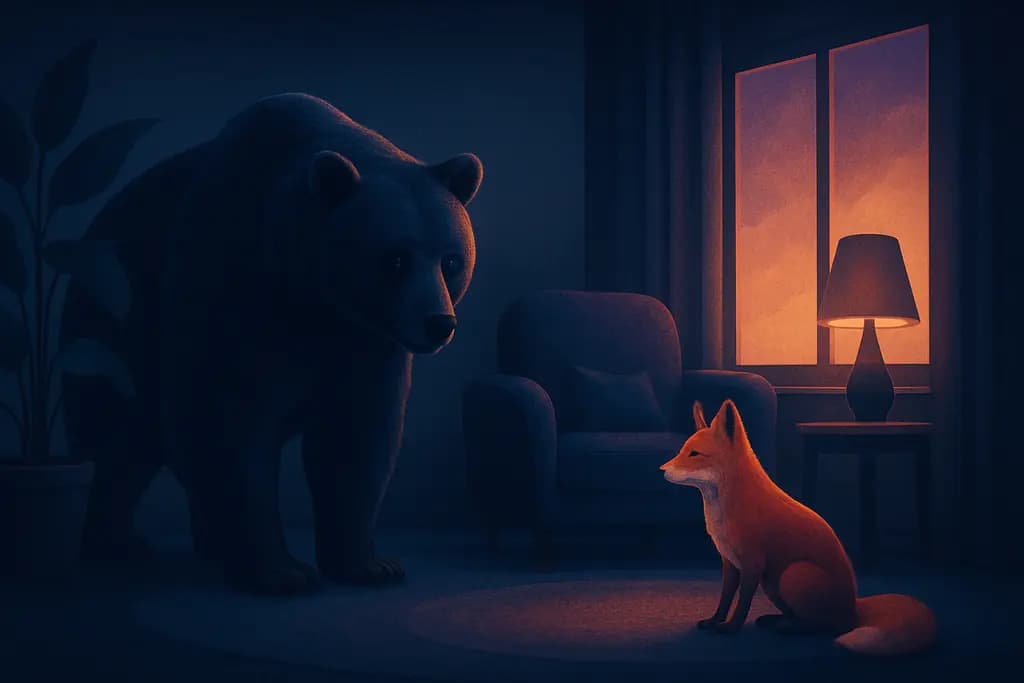
Dreaming of wild animals in your house often points to strong, unmanaged energies or unexpected aspects of yourself appearing within the most private part of your life. Such dreams can feel invasive or startling — or oddly familiar — depending on the animal, what it does, and how you feel during the dream. The meaning shifts with context and your emotions: alarm, curiosity, calmness, or compassion change the message.
General meaning of dreaming about Wild animals in your house
At its core, a wild animal inside your home symbolizes something untamed showing up in a place that represents safety, identity, or the self. Houses in dreams frequently stand for your inner world, family life, or the structures you rely on; a wild animal intruding suggests raw instincts, unexpected impulses, or outside chaos entering those areas.
Typical interpretations revolve around the tension between civilized order and natural urges, or between private life and outside forces. These dreams can signal that a part of your personality needs attention, that a boundary has been crossed, or that a situation you thought contained is actually unpredictable.
- Unresolved instincts or desires breaking into daily life
- Boundary issues between public pressures and private space
- Unexpected change, disruption, or a call to acknowledge a neglected side of yourself
- A warning that a relationship, habit, or situation may be more volatile than it seems
Spiritual meaning of Wild animals in your house in dreams
Spiritually, wild animals in the home can be seen as emissaries of deeper energies asking for recognition. Many traditions view animals as totemic messengers: their presence in your inner sanctuary may indicate an invitation to integrate a specific power or lesson (courage, intuition, ferocity, survival).
Across cultures, the intersection of the wild and domestic in a dream often points to shadow work—bringing unconscious material into conscious awareness so it can be transformed rather than repressed. Whether interpreted through shamanic, Jungian, or contemporary spiritual lenses, the emphasis is on integration and balance.
Psychological interpretation
Fear, stress or anxiety
When fear predominates in the dream, wild animals in your house may mirror current stressors or anxieties you feel have breached your personal safety. They can represent looming threats at work, health worries, or acute emotional overwhelm that you experience as invasive.
Relationships and emotional bonds
In relational terms, an animal inside your home can symbolize someone in your life whose behavior feels unpredictable or boundary-crossing. It may point to unresolved tensions with family members, intimate partners, or roommates where raw emotions are being expressed in ways that disrupt household harmony.
Control, power or vulnerability
These dreams often play out issues of control: either you feel powerless against an outside force, or the presence of the animal reveals your own repressed power and instincts demanding release. The house setting highlights vulnerability—how you respond (fight, flee, calm, negotiate) offers clues about your waking coping strategies.
Positive meaning
- Opportunity for personal growth: the dream may signal a chance to embrace neglected strengths or talents.
- Increased intuition: a wild animal can awaken instinctive knowing and deeper self-trust.
- Transformation and healing: inviting the animal’s presence can represent integrating shadow aspects and becoming more whole.
- Protection and resilience: in some dreams, the animal’s presence can mean you have untapped protective energy.
- Creative inspiration: chaotic or wild elements entering the home can spark artistic or unconventional solutions.
Negative meaning and warnings
- May suggest a boundary has been violated in waking life, such as someone overstepping or an intrusive situation.
- Can indicate unresolved anger, suppressed impulses, or addictions that are surfacing.
- May point to a relationship or environment that feels unsafe or unpredictable.
- Can warn you to reassess household dynamics, financial risks, or health-related neglect.
Common variations of dreams about Wild animals in your house
- Lions or big cats in your house — Often tied to power, pride, or authority issues; may reflect a dominant person or your own assertive side demanding space.
- Snakes in the house — Frequently linked to transformation, hidden fears, or sexual energy; can suggest something secretive has entered your private life.
- Bears in the house — May represent protective instincts or slow-building anger; could indicate the need to set firmer boundaries.
- Multiple wild animals roaming the home — Suggests chaotic emotions or several unresolved issues surfacing at once; a signal to prioritize and stabilize.
- Wild animal cubs or young inside the house — Points to new beginnings, vulnerability, or responsibilities that feel both tender and demanding.
- A wild animal hiding in the attic or walls — Implies an issue kept out of sight in your mind or family life; something needs to be acknowledged and examined.
- Animal attacking or aggressive in the house — Can indicate perceived threats in marriage, family, or career life; may reflect internalized aggression or fear.
- Feeding or caring for a wild animal at home — Suggests the conscious choice to integrate a wild part of yourself; can symbolize nurturing newfound instincts or talents.
What to do after such a dream
- Reflect calmly on the feelings you experienced in the dream: were you afraid, curious, protective, or indifferent? Your emotional tone guides interpretation.
- Review recent life events: boundary crossings, relationship tensions, sudden changes, or suppressed needs often precede these dreams.
- Consider which area of life the house represents for you (family, self-image, career) and connect the animal’s qualities to that area.
- Journal or sketch details from the dream to track patterns and recurring symbols over time.
- Use small practical steps: set clearer boundaries, seek honest conversations, or create safe routines to reduce overwhelm.
- If the dream prompts strong ongoing distress, consider talking to a therapist, spiritual advisor, or trusted friend to unpack deeper meanings (not as medical advice).