Dream About white being abandoned as a child dream – Meaning
Category: Family & Children
What this dream usually means
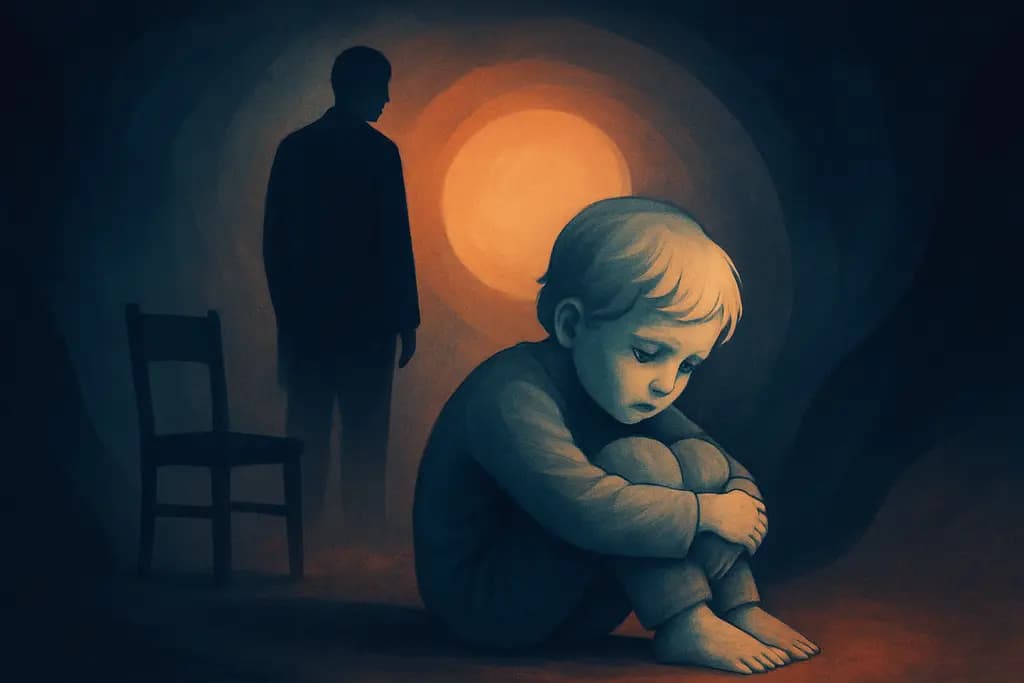
This dream commonly reflects unresolved attachment needs: feelings of being left, overlooked, or unsupported in childhood that still shape how you expect others to behave now. It can also surface during life transitions when dependence shifts—pregnancy, caregiving, job loss—prompting anxiety about who will stay. In real life, the dream is a signal to notice where you feel vulnerable and what small steps might restore a sense of steadiness and connection.
A common version of this dream
You are small, standing on a cracked sidewalk at dusk, a thin coat too big on your shoulders, watching a parked car drive away while your name echoes down a quiet street. Your chest tightens, your palms sweat, and a streetlight buzzes overhead; you try to run but the pavement feels sticky. This scene often overlaps with real-life changes—divorce, a new sibling, moving houses, or a parent’s emotional distance—and the abandoned child image symbolizes unmet care and the urgent need for safety.
Specific details people often mention
People often report a locked front door, an empty waiting room, a crowd that parts like fog, a rain-soaked coat, a lullaby playing on a broken radio, or the distinct taste of pennies. Physical reactions such as a lump in the throat, cold hands, or a sudden urge to call someone are common.
The emotional and symbolic message
- Attachment wound. Label: Attachment wound — The dream may point to early caregiving that was inconsistent or unavailable, leaving a template of expectation that caregivers might leave. When triggered by stress, the dream compresses long-standing mistrust into the immediate panic of being small and alone, prompting you to notice how you seek comfort and whom you rely on today.
- Transition anxiety. Label: Transition anxiety — If you’re facing a breakup, job change, or new parenthood, the dream can dramatize the fear that support systems will vanish. It compresses the practical challenge of adjusting—losing routines, sharing attention—into an image of being left at a door, urging preparation and boundaries rather than staying stuck in worry.
- Unprocessed loss or trauma. Label: Unprocessed loss or trauma — For some, the dream resurrects a specific childhood separation, neglect, or traumatic event that hasn’t been emotionally processed. It’s a call to revisit those memories with containment—talk therapy, journaling, or a safe witness—so the nervous system can update its sense of safety.
- Call to seek care now. Label: Call to seek care now — Sometimes the dream signals an immediate need: physical rest, emotional check-ins, or practical support. Rather than meaning remote abandonment, it can be a push to ask for help, set clear expectations with a partner, or create small rituals that reassure you through unpredictable days.
What this dream usually does not mean
This dream rarely functions as a literal prediction that someone will physically abandon you. It does not usually mean an imminent event is guaranteed. Instead, it typically dramatizes emotional patterns—fear of being left out, pressure to perform for approval, or an alarm about current insecurity. Emotionally, it can feel catastrophic even when the practical risk is low.
Cultural and symbolic views
Meanings vary across traditions: Western psychology frames it as attachment memory; certain Indigenous and ancestor-honoring practices may read it as a call to community repair or ancestral continuity; Buddhist views might emphasize compassion toward suffering; some religious contexts interpret it through themes of abandonment and providence. Because interpretations differ widely across cultures, treat any single meaning as one perspective among many rather than a universal truth.
What to ask yourself
- When in my recent life did I first notice a feeling like the one in the dream (loneliness, panic, shame)?
- Who now gives me dependable care, and what small step could I take to ask for their support this week?
- What practical routine or boundary could I create to help the ‘child’ in the dream feel safer at night?
FAQ
Can this dream be positive?
Yes. The dream can be positive if it catalyzes healing: it may motivate you to seek support, set healthier boundaries, or nurture your inner child, leading to greater emotional resilience.
Is this dream a warning?
Not usually as a literal warning. It can be a psychological warning—an alarm about vulnerability or a pending emotional strain—but it rarely predicts a specific physical abandonment event.
Why does this dream repeat?
Repetition often means the feeling hasn’t been processed or addressed. Repeating dreams keep signaling an unresolved need until action, acknowledgment, or new evidence changes your expectation.
Is this about relationships?
Often about attachment patterns more than present romantic status. It can relate to friends, parents, or larger systems of care; relationships may be the arena where the underlying fear shows up.
Related dreams to explore
If this dream keeps returning, pages about black being abandoned as a child dream, baby biting me while breastfeeding dream meaning, and reuniting with a deceased loved one biting me can reveal the related patterns underneath it. They often overlap around insecurity, transition, or stress in everyday life. You may also want to compare it with white reuniting with a deceased loved one dream if the same mood or conflict keeps showing up.