Dream About Watching a stranger die – Meaning
Category: Fears & Nightmares
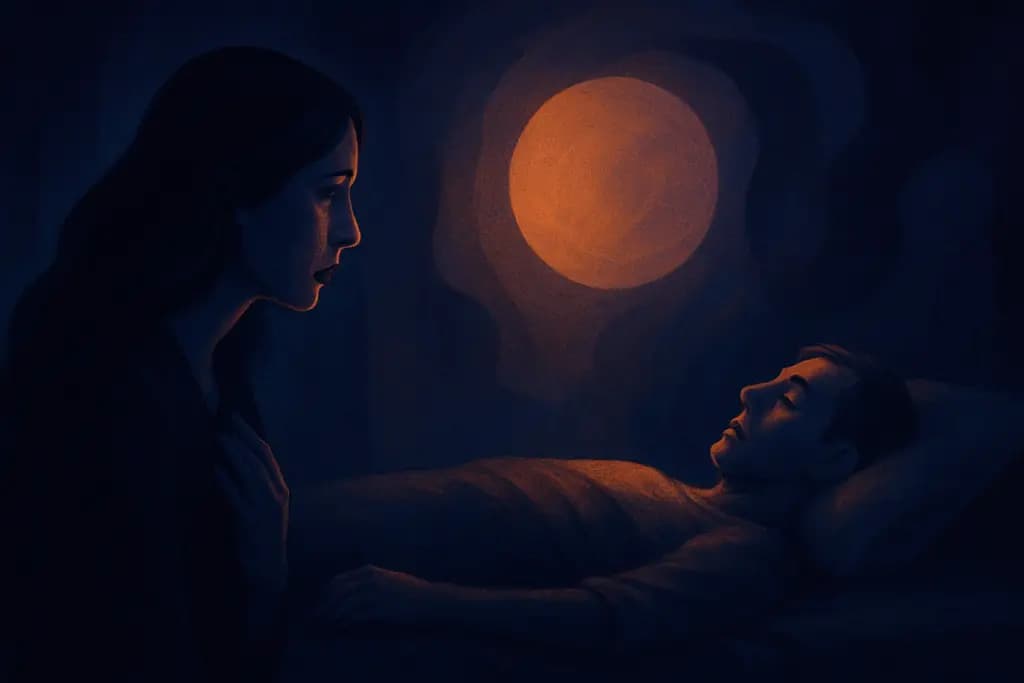
Dreaming that you are watching a stranger die can be shocking and unsettling. Such a dream often centers on themes of endings, powerlessness, or unresolved conflict, but the precise meaning depends on how you felt in the dream and the context around the death. Pay attention to whether you felt fear, relief, guilt, or numbness — those emotions change the interpretation.
General meaning of dreaming about Watching a stranger die
At its core, watching a stranger die in a dream symbolizes confrontation with an ending that feels outside your control. Because the person is unknown, the dream is less about someone specific and more about a part of life — a habit, situation, or emotional pattern — that is concluding or being threatened.
This symbol often points to inner turmoil about transitions, ethical boundaries, or social anxieties. The distance implied by the stranger suggests the issue may feel externalized: something happening in the world, in a community, or within yourself that you perceive but are not directly connected to.
- Endings and transition: a phase of life or mindset that is coming to a close.
- Powerlessness or helplessness: watching without being able to change the outcome.
- Emotional detachment: a part of you that feels distant or suppressed.
- Moral or ethical conflict: witnessing harm raises questions about responsibility and action.
Spiritual meaning of Watching a stranger die in dreams
Spiritually, watching a stranger die can represent a release of outdated energies or beliefs. Many traditions see death in dreams as symbolic rebirth: the external figure dying allows something new to emerge within your inner landscape.
In universal spiritual language this may signal the clearing of karmic patterns, the end of a cycle, or an invitation to deepen compassion by witnessing suffering without attachment. In some cultures, strangers in dreams can be messengers — the death could mark the end of a spiritual chapter rather than a literal prediction.
Psychological interpretation
Fear, stress or anxiety
This dream often mirrors acute stress or generalized anxiety. Watching a stranger die can reenact feelings of helplessness you experience waking life — for example, anxiety about situations you cannot control, like job instability, political events, or a loved one’s choices.
The vividness and sensory detail commonly track with heightened arousal: intense dreams occur when your nervous system is on edge.
Relationships and emotional bonds
Even though the figure is a stranger, the dream may still reflect relational dynamics. It can symbolize the perceived death of trust, empathy, or connection in a social circle or within yourself — a part of your emotional life that you can no longer access.
If you feel relief watching the death, it may indicate an unconscious wish for boundaries or distance from someone or something emotionally draining.
Control, power or vulnerability
Watching without intervening highlights issues of agency. The dream can surface feelings of impotence or guilt about not doing more in real situations. It also exposes vulnerability: witnessing harm to another person—even a stranger—brings up moral and existential anxieties about safety and responsibility.
If you attempt to act in the dream and fail, that often reflects real-life attempts to help that felt ineffective or blocked.
Positive meaning
- Signal of transformation: the dream may mark the end of an unhealthy pattern and the start of personal growth.
- Emotional clearing: seeing an ending can help release repressed feelings, making room for healing.
- Boundary setting: relief or detachment can point to positive separation from toxic influences.
- Increased compassion: witnessing suffering can awaken empathy and motivate supportive action.
- Motivation to change: the shock of the image may prompt real-life decisions that lead to improvement.
Negative meaning and warnings
- May suggest avoidance: repeated dreams might indicate you are ignoring an important issue that needs attention.
- Can indicate unresolved guilt: feelings of responsibility for not intervening may surface as self-blame.
- May point to escalating anxiety: frequent or vivid versions of this dream can reflect growing stress or trauma.
- Can indicate moral conflict: you may be wrestling with actions or choices that compromise your values.
Use cautious language with these warnings — they may suggest directions for reflection rather than fixed truths about your life.
Common variations of dreams about Watching a stranger die
- Watching a stranger die slowly or painfully — Often reflects ongoing stress, drawn-out endings, or guilt over not being able to stop a harmful process.
- Watching a stranger die violently (attack, murder) — Can indicate fear of sudden change, external threats, or unresolved trauma triggered by aggressive events.
- Watching a stranger die of illness — May mirror health-related anxieties, worries about societal vulnerability, or a sense that a situation is decaying over time.
- Watching a stranger die and feeling indifferent or numb — Suggests emotional burnout or dissociation; part of you may be shut down to cope.
- Watching a stranger die and feeling relief or satisfaction — Could point to unconscious wishes for an end to a burden, relationship, or obligation.
- Trying to save the stranger but failing — Highlights feelings of helplessness, responsibility, or regret about not being able to help in waking life.
- Watching a stranger die in a crowded public place — Often ties to fears of exposure, public shame, or social collapse; the public setting emphasizes community-level anxieties.
What to do after such a dream
- Reflect on your emotions: write down how you felt during and after the dream — fear, relief, guilt, numbness — and note any surprising details.
- Look at your current life situation: identify endings, transitions, or relationships that feel unstable or out of your control.
- Consider relationships and responsibilities: ask whether you are overextending yourself or avoiding difficult conversations.
- Practice grounding and self-care: calming routines, sleep hygiene, and gentle movement help reduce dream intensity.
- Use the dream as a catalyst: journal, draw, or talk with a trusted friend to explore what the image wants you to notice.
- Seek professional support if recurring distress occurs: a therapist or dreamworker can help unpack patterns if the dream keeps returning and interferes with daily life.
Approach the dream with curiosity rather than panic — it is often a symbolic invitation to pay attention and act where you can.