Dream About Waking Up Laughing – Meaning
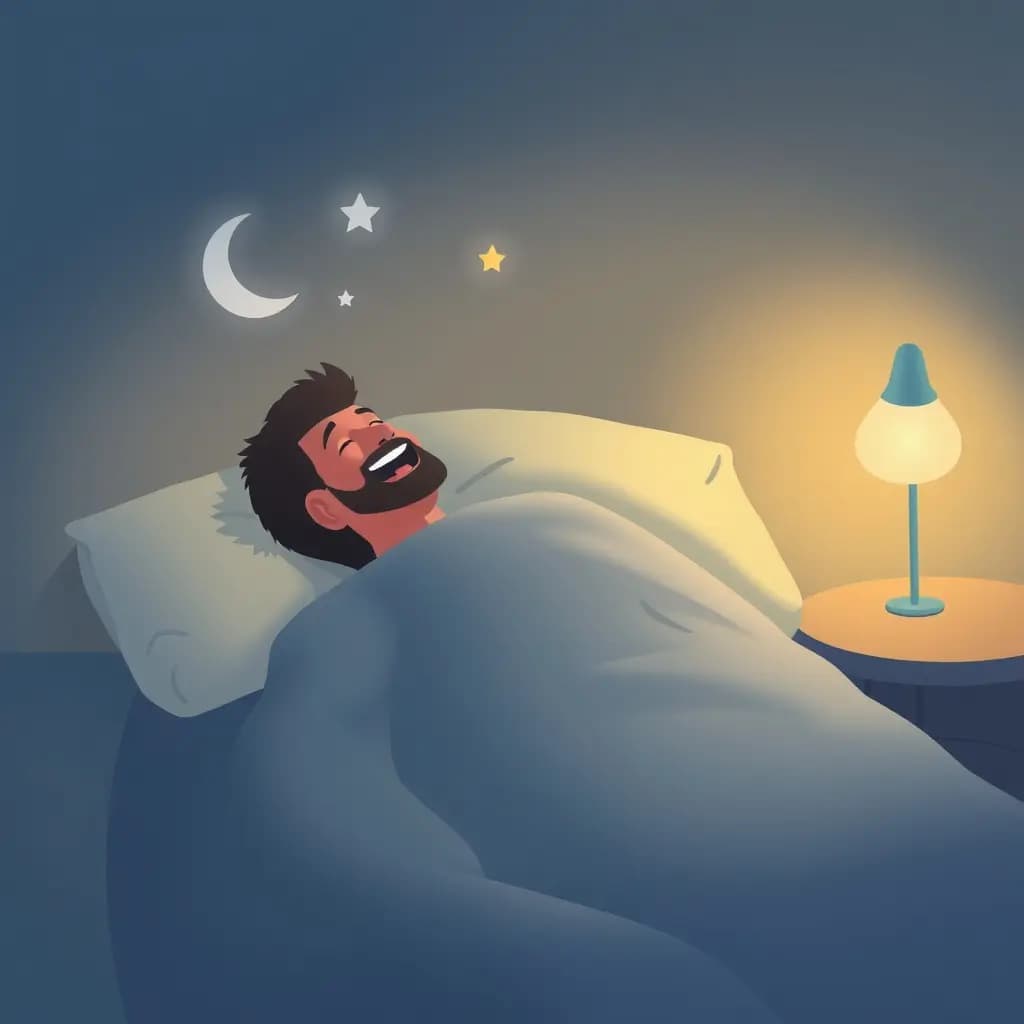
Category: Sleep & Dream States
What this dream usually means
Most commonly, waking up laughing is a brief emotional release: your brain is completing a stressful loop and discharging tension through a laugh rather than a cry. It can reflect relief after an anxiety-producing situation—escaping a confrontation, landing a deadline, or mentally reappraising a fear—and may serve as a safety valve for suppressed humor or surprise. It is commonly associated with emotional processing rather than a literal message about future events. It can feel both liberating and a little unsettling.
What it can reflect emotionally
From a modern, non-medical viewpoint, waking laughter often reflects emotional processing during REM sleep: the brain simulates events and resolves cognitive-emotional knots. Concrete examples include replaying an argument and discovering a new, absurd angle that triggers a laugh, or dreaming of escapist scenes after a day of heavy responsibility. It can reflect relief, the mind’s attempt to reframe a threat as less dire, or the spontaneous integration of humor into memory consolidation. This framing treats the laugh as symptom of ongoing mental work, not as pathology.
How this dream can be interpreted
Emotional release after pressure. If you've been suppressing anger, grief, or worry—staring down a layoff, nursing resentment after an argument, or living through a caregiving marathon—the laugh often arrives as a pressure-release. The brain completes the emotional arc in a dream and hands you back a lighter feeling. This interpretation fits when the dream follows a very specific stressful event or a day filled with ruminating thoughts.
Social rehearsal and embarrassment mitigation. When the laugh comes amid scenes of public speaking, awkward reunions, or family dinners, it can be a rehearsal of how to respond to social tension. The laugh may ease anticipated embarrassment or test a safer reaction to a feared scenario—practicing humor as a buffer. It commonly appears before or after transitional social moments like meetings, reunions, or first dates.
What this dream is not literally saying
This dream is rarely a literal prediction; it does not usually forecast real-world good fortune or bizarre future events. It is not a supernatural guarantee that something humorous will happen. Instead, the laugh usually signals internal mechanics—tension release, incongruity resolution, or social rehearsal—so avoid reading it as direct prophecy or evidence of fate.
Concrete details that tend to stand out
Interestingly, people often report very concrete imagery: laughing alone in a dim hallway, bursting into laughter on a crowded subway car, hearing rain on a tin roof as the laugh fades, or noticing the strange sensation of their jaw and chest relaxing. Some recall specific clothing—old coats or slippers—or an open door that suddenly reveals a silly scene.
When this dream deserves attention
Pay attention if the laughter recurs nightly, follows acute trauma, or arrives alongside insomnia, panic, or persistent guilt. A single odd laugh after a stressful day is usually harmless; recurring episodes during major life changes—divorce, relocation, career upheaval—or following unresolved fear deserve closer notice. If the dream coincides with daytime dysfunction, persistent anxiety, or avoidance of important conversations, reflect on what you’re not expressing and consider talking with a trusted friend or counselor.
Cultural and symbolic views
Meanings differ across cultures. In some Western contexts it's framed as psychological release; in parts of Asia it might be read as sign that ancestral or spiritual energies are at play; in other traditions laughter can indicate trickster spirits or a need for balance. Importantly, there is no universal rule—interpretations vary with local beliefs, family lore, and religious frameworks, so treat cultural readings as context-dependent, not absolute.
Common questions
Is it related to stress?
Yes—often. Waking laughter frequently follows stress or tension: exams, job pressure, or social dread can produce a nervous release during sleep. It’s a common way the brain offloads built-up emotion.
Can this dream be positive?
Yes. This dream can be positive: a sign you’re letting go, reappraising a threat as less serious, or discovering humor in a painful memory. It can indicate resilience or new perspective.
Why does this dream repeat?
It repeats when the same unresolved emotion or transitional situation remains active. Repetition signals unfinished processing—repeated fears, recurring social anxieties, or ongoing life changes—until the mind integrates the material.
Dream meanings connected to this one
If this dream keeps returning, pages about Waking Up Crying, False Awakening, and Lucid Dreaming can reveal the related patterns underneath it. They often overlap around insecurity, transition, or stress in everyday life. You may also want to compare it with Empty School if the same mood or conflict keeps showing up.