Dream About Waking up as someone else – Meaning
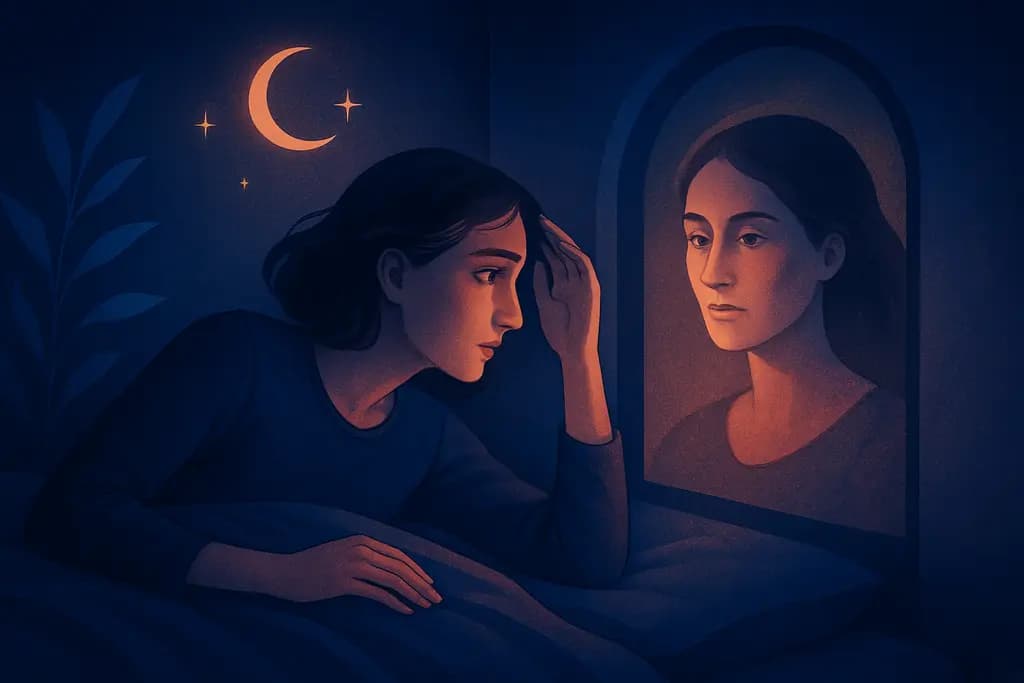
Category: Spiritual & Symbolic
Dreaming that you wake up as someone else can feel disorienting, liberating or frightening. Such dreams often point to shifts in identity, hidden roles you play, or a wish to escape current pressures. The precise meaning depends heavily on how you felt in the dream and the surrounding context.
General meaning of dreaming about Waking up as someone else
At its core, waking up as someone else symbolizes identity, perspective shifts and transformation. These dreams commonly appear when a person is negotiating change — consciously or unconsciously — and can signal that parts of the self are being tried on, rejected, or integrated.
Often the dream is less about literal possession and more about exploring qualities you associate with the other person: their confidence, vulnerability, status, or history. The emotional tone (relief, panic, curiosity) guides which interpretation fits best.
- Sense of identity exploration: trying on new roles or behaviors
- Escape or dissociation: avoiding responsibilities or emotions
- Empathy and perspective-taking: seeing life from another’s viewpoint
- Power dynamics: feeling more or less capable, controlled, or exposed
- Transition and transformation: entering a new stage of life
Spiritual meaning of Waking up as someone else in dreams
Spiritually, waking up as someone else can reflect soul work, energetic exchanges, or lessons from the unconscious. Many spiritual traditions read such dreams as invitations to understand parts of yourself that are hidden, to integrate shadow aspects, or to practice compassion by experiencing another vantage point.
In some shamanic and mystical teachings, temporarily inhabiting another identity in dreams is seen as a test or guidance: a mirror pointing to qualities you need to reclaim or release. In more universal terms, the dream asks you to notice where your energy is focused and whether your actions match your deeper values.
Psychological interpretation
Fear, stress or anxiety
If the dream felt frightening or panic-filled, it can indicate anxiety about losing control or being forced into a role you don’t want. Stressful life transitions (work changes, parenting demands, caregiving) often produce dreams where your sense of self is unstable.
Relationships and emotional bonds
Waking up as someone else may surface relational dynamics: you might be adopting a partner’s habits, reacting to family expectations, or internalizing another person’s voice. Dreams about exes, parents or close friends often highlight unresolved feelings or patterns you’ve absorbed.
Control, power or vulnerability
The dream can reflect power imbalances — either feeling empowered by taking another’s identity, or vulnerable from being thrust into it. It can also reveal a desire for greater agency (wanting someone else’s confidence) or a fear of exposure and judgment.
Positive meaning
- Personal growth: experimenting with a new identity signals readiness to change or evolve.
- Healing and integration: meeting and accepting different parts of yourself brings wholeness.
- Increased empathy: experiencing another’s perspective can deepen compassion and social insight.
- Opportunity to rehearse change: the dream offers a safe space to try new behaviors.
- Creative inspiration: role-shifting can unlock new ideas, careers or relationships.
Negative meaning and warnings
- May suggest avoidance: repeatedly waking as someone else can indicate you’re escaping current responsibilities or feelings.
- Can indicate identity confusion: persistent loss of self may signal unresolved inner conflict.
- May point to unhealthy codependence: adopting another’s identity to gain approval or safety.
- Can indicate vulnerability to influence: feeling shaped by others’ expectations or manipulation.
Common variations of dreams about Waking up as someone else
- Waking up as an ex-partner: Often highlights unresolved emotions, lessons not yet learned, or comparisons you’re making in current relationships.
- Waking up as a celebrity or public figure: Can signal a longing for recognition, confidence, or the freedom to live differently from your current role.
- Waking up as the opposite gender: Frequently explores gendered expectations, curiosity about different social roles, or facets of identity you’ve suppressed.
- Waking up as a child (your younger self): Suggests revisiting past wounds, simpler needs, or the desire to reclaim playfulness and safety.
- Waking up as a deceased loved one: May be a processing dream that helps you integrate grief, recall guidance, or receive comfort from memory.
- Waking up as a complete stranger: Reflects fragmented identity, a desire to start over, or the sense that parts of you feel unfamiliar.
- Waking up in someone else’s life (living their routine): Points to envy, comparison, or contemplating a major life change like a career or relationship switch.
What to do after such a dream
- Reflect on emotions: note whether you felt freedom, fear, relief or confusion; emotion is a primary clue.
- Journal details: write who you became, what you did, and how others reacted to spot repeating themes.
- Look at current life areas: consider work, family, friendships and major decisions where identity is at play.
- Explore relationships: ask whether you’re adapting to please others or losing your voice in close bonds.
- Try active imagination or creative exercises: role-play, art or dream incubation can help integrate insights.
- Discuss with a trusted listener: a friend, mentor or counselor can help you see patterns without judgment.
- If dreams recur and cause distress, consider talking with a mental health professional to explore deeper patterns and coping strategies.