Dream About Voices of ancestors call you – Meaning
Category: Family & Children
Main interpretation
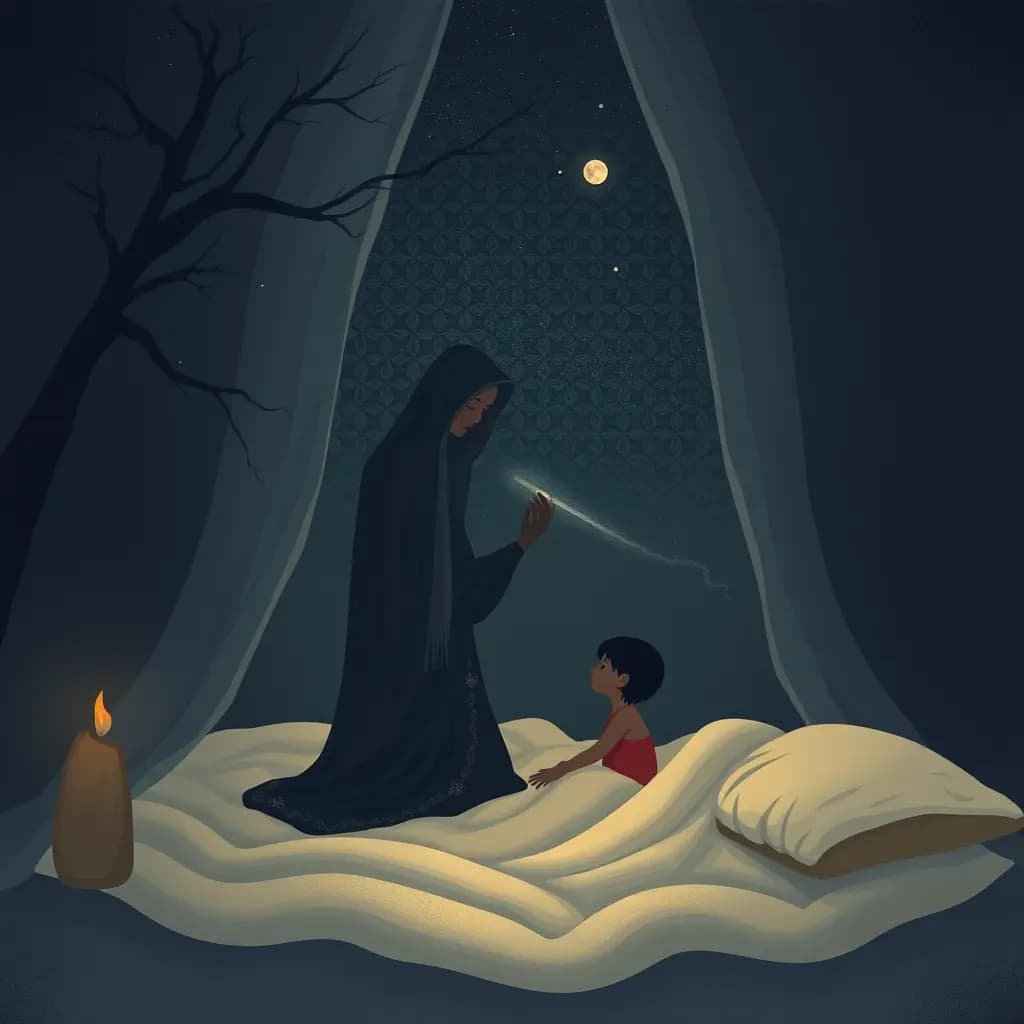
This dream most often reflects inner processing of family expectations, loss, or identity rather than literal communication from the dead. Hearing an ancestor can be your mind’s way of bringing forward advice, guilt, or memories tied to specific relationships—such as a father who expected a certain career, a grandmother’s recipes you miss, or a sibling rivalry that never ended. It can also surface when you’re deciding about caregiving, marriage, or a big move and need to weigh inherited values against your own choices.
What your mind may be processing
From a modern, non-medical view, these dreams are meaningful mental simulations: your brain recombines memories, voices and emotions tied to caregivers and elders to rehearse decisions or process loss. Interestingly, the voice often uses familiar phrases or tones because your mind borrows from real conversations—an argument with a sibling, a nurse’s bedside words, or a parent’s reprimand—to make complex feelings concrete. The dream can therefore be a kind of internal dialogue where you test outcomes, feel guilt, or hear comfort in a safe, symbolic setting.
Key interpretations
- Guidance and moral inheritance. The call can represent internalized family values giving you direction. If you’re making a moral choice—taking a new job, ending a relationship, or deciding how to parent—the voice may voice inherited advice: duty, thrift, or dignity. Listen for the tone and specific words; they often repeat phrases you heard growing up and point to which family rule you’re weighing.
- Grief and unfinished business. For those recently bereaved or estranged, the dream often surfaces unresolved conversations or guilt. A grandmother calling your name from a screened porch, or a father standing at a doorway asking ‘why,’ can be the mind replaying what was left unsaid. The dream pushes you toward acknowledgment—apology, ritual, or a visit to a grave—rather than supplying closure on its own.
- Identity, roots, and role pressure. If you’re negotiating your identity—changing careers, marrying outside your culture, or deciding whether to have children—the ancestral voice may symbolize pressure to conform. It can show as an elder inspecting your clothing or pointing to a family photo; this highlights tension between self-direction and loyalty to lineage, urging you to name which parts of your heritage you’ll keep or reshape.
What this dream is not literally saying
This dream is rarely a literal prediction or a proof of supernatural contact. It does not usually announce future events or dictate actions in a concrete way. Instead, the scene works emotionally—pulling together memory, obligation, and advice—so treat it as symbolic material for reflection rather than a one-to-one instruction from beyond.
Concrete details that tend to stand out
People often report vivid sensory details: a dim hallway with framed photos, rain tapping a window, the smell of tobacco or baking bread, an ancestor wearing a coffin-gray coat or embroidered shawl, and a metallic taste in the mouth when the voice is nearest.
Why recurring versions matter
Recurring versions of this dream often signal unresolved stress or a persistent life transition—long-term caregiving, ongoing family conflict, or repeated decisions about identity. If the dream appears during acute stress (a loved one’s illness, job change, or immigration), it may press you to act: have a difficult conversation, make a funeral plan, or seek supportive counsel. When it’s frequent and distressing, journaling specifics, checking what real-life conversations echo the dream, and speaking with a trusted elder or counselor can turn the dream into productive change.
How different traditions interpret it
Meanings differ across cultures: in some West African and Afro-Caribbean traditions, ancestral voices are honored as active guides; in Chinese and Vietnamese contexts, dreams about ancestors may be tied to filial duty and offerings at the family altar; in many Indigenous cultures, they can indicate relational obligations or warnings. European folklore often frames them as omens. These are traditions, not universal rules—interpretations depend on your cultural background, community practices, and personal belief.
FAQ
Is it related to stress?
Is it related to stress? Yes. These dreams commonly arise during stress—caregiving, grief, or big decisions frequently trigger them because the mind uses familiar voices to process pressure and options.
Is this dream a warning?
Is this dream a warning? Not usually. It can feel like a warning because of tone, but it rarely predicts literal danger; more often it flags emotional risks or moral consequences you’re already facing.
Why do I feel fear in this dream?
Why do I feel fear in this dream? Fear often comes from unresolved guilt, punishment themes, or the pressure to meet family expectations; the voice amplifies judgment, replaying shaming moments or threats to your identity.
Dream meanings connected to this one
People who dream about voices of ancestors call you often end up exploring Family photo with blank faces, Lost sibling returns older, and Baby speaks in your language next, because the same pressure can show up through different symbols. Comparing them usually makes the emotional pattern clearer. You may also want to compare it with Father sleeps in child bed if the same mood or conflict keeps showing up.