Dream About Voicemail plays childhood voice – Meaning
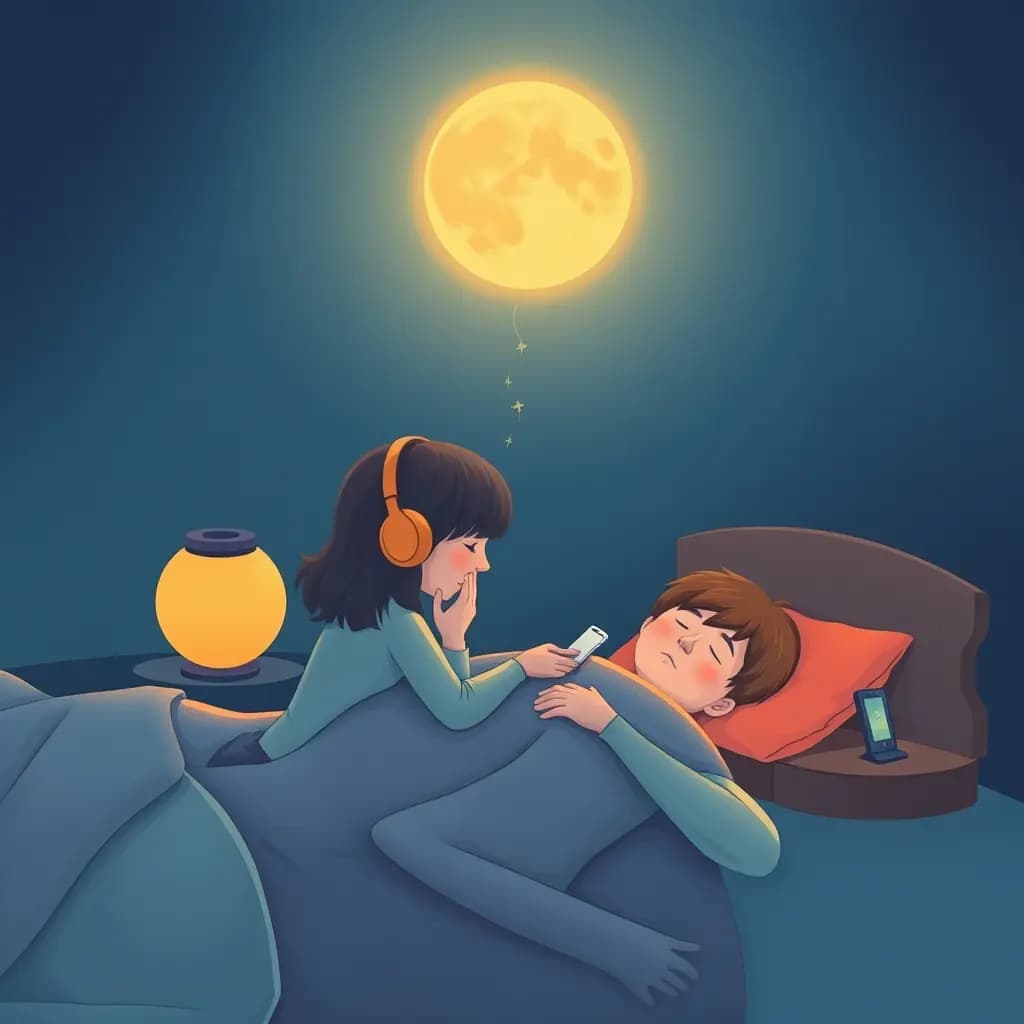
Category: Technology & Communication
Quick interpretation
When a voicemail in a dream plays a childhood voice, it commonly points to unresolved issues from your early years being reintroduced into present life through modern channels. The voicemail (a recorded message, delayed communication) suggests something unsaid or unheard needs attention, while the child’s voice symbolizes earlier needs—comfort, validation, boundaries—that still affect decisions now. In short: the dream often signals an internal attempt to reconnect with or repair a part of yourself shaped long ago rather than literal incoming messages from the past.
What your mind may be processing
From a neutral psychological angle, the voicemail dream combines auditory memory traces with current stressors. Phones and recorded messages are modern symbols for connection and missed contact; pairing that with a child’s voice activates autobiographical memory networks. Your brain uses this scene to rehearse an emotional problem—safety, attachment, self-talk—allowing you to notice which early messages still guide beliefs. It often appears during times of evaluation: parenting, career shifts, or when old scripts ("I must please others") interfere with present goals. The tone can be wistful, anxious, or oddly tender.
How this dream can be interpreted
- Reconnecting with the inner child. The voicemail acts as a bridge to younger feelings: the child’s voice represents parts of you that needed safety, praise, or limits. Hearing that voice through a device suggests you’re trying to integrate those needs into current relationships or decisions. This interpretation fits if you’re facing choices that echo old approval-seeking patterns, or if recent events (a breakup, a new job, becoming a parent) have activated memories of how you were cared for.
- A delayed message about unresolved communication. A recorded message implies delay: something important wasn’t heard when it should have been. The dream may point to a conversation you postponed, a confession you avoided, or boundaries you failed to set. The childhood voice indicates the origin of the pattern—perhaps criticism, neglect, or overprotection—and suggests the remedy is not external but about changing how you respond now.
What this dream is not literally saying
This dream is rarely a literal prediction that someone from your past will call or that the message is literally from a deceased person. It does not usually function as a paranormal notification. Instead, it typically uses the device and voicemail as symbols—an emotional echo delivered through a familiar medium—so avoid interpreting it as direct, physical evidence of outside contact.
Unusual details people report
People often report small sensory specifics: an old cordless handset on a hallway table, rain tapping the window, the smell of crayons, tinny static between words, goosebumps on forearms, or a closet door slightly ajar behind them as the voice plays.
When to take this dream seriously
Take this dream seriously when it repeats, comes during intense stress, or coincides with a life transition (a new home, parenthood, or loss). Recurrence suggests an unresolved pattern demanding action rather than a one-off memory flash. It becomes especially important if it triggers compulsive worry, affects sleep, or motivates avoidance; those are signs your waking life may benefit from direct conversation with someone involved, a concrete boundary change, or intentional self-care to address the younger needs the voice evokes.
How different traditions interpret it
Meanings vary widely across cultures. In some Western contexts the dream is read psychologically—past needs resurfacing—while in certain Indigenous or ancestral traditions a voice from childhood might be interpreted as relational guidance or ancestor memory, and in parts of East Asia it could be framed through family duty and filial concerns. Spiritualist or religious groups may see a message-like quality, but none of these offer universal proof. Respect local beliefs while remembering that interpretation shifts with personal and cultural background.
FAQ
Why do I feel fear in this dream?
Fear often appears because the childhood voice reactivates early vulnerabilities—abandonment, shame, or unmet needs. The voicemail format adds an element of helplessness (a recorded message you can’t change), producing anxiety in the dream.
Is this about relationships?
Sometimes. If people in your life now trigger the same emotional patterns you felt as a child—needing approval, feeling unseen—the dream can be about present relationships rather than literal past contacts.
What should I do after this dream?
Write down the message and the feelings it stirred, then consider a small action: a clarifying conversation, setting one boundary, or journaling to address the younger need. If it recurs and disrupts functioning, seek a supportive therapist or counselor.
Dream meanings connected to this one
Dreams about voicemail plays childhood voice are often connected to Email with wrong attachment, Video call freezes mid-sentence, and Unreadable code on screen. Looking at those nearby themes can help you compare control, fear, pressure, or change across similar dream scenes. You may also want to compare it with Messages reply themselves if the same mood or conflict keeps showing up.