Dream About Being Unable to Pay Gambling Debt – Meaning
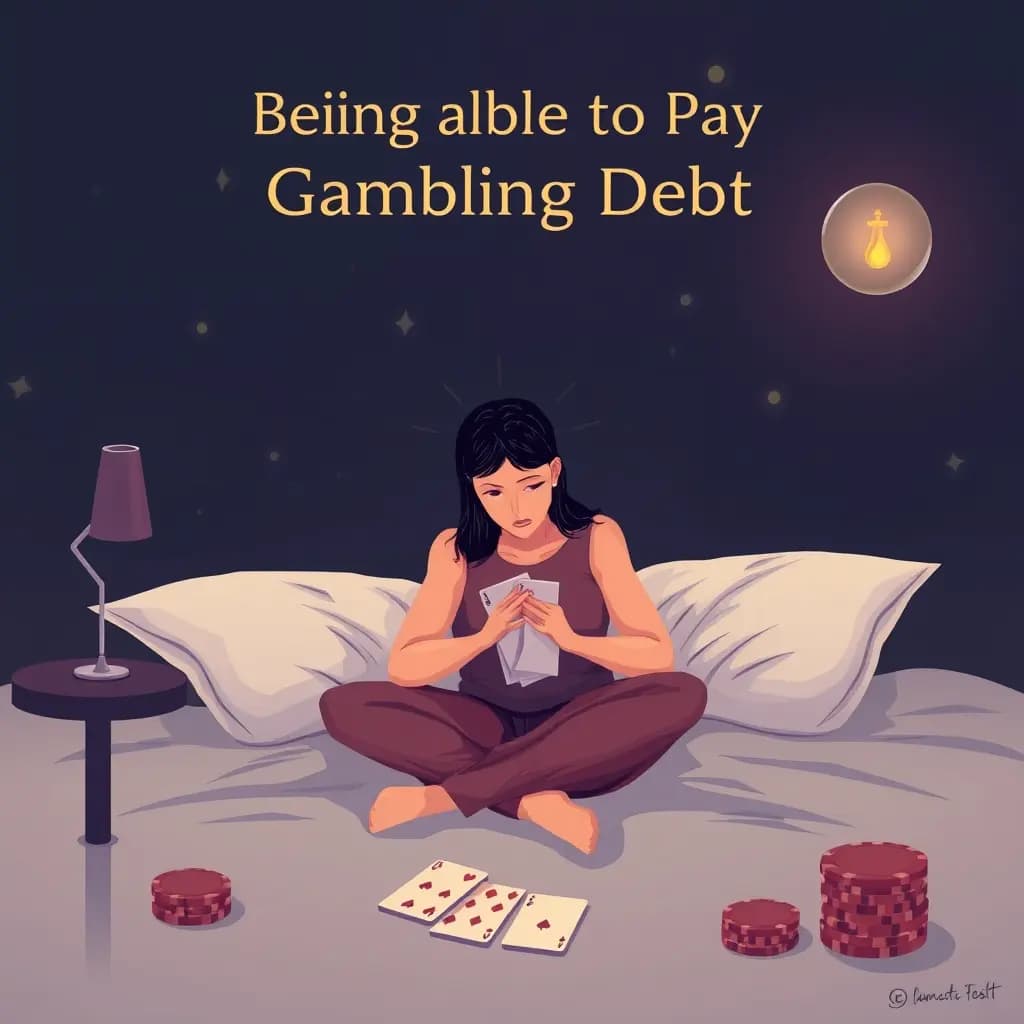
Category: Casino & Gambling
Quick interpretation
This dream commonly points to waking-life pressures around responsibility, accountability, and the fear of being exposed as unable to meet expectations. It can reflect anxiety about money, relationship obligations, job performance, or the aftermath of risky choices; the gambling setting amplifies risk and chance but the dream does not predict a win, loss, draw, or future event. Look for where you feel pressured to deliver—bills, promises, or deadlines—and acknowledge the shame or urgency the dream brings up.
What your mind may be processing
From a modern, neutral standpoint this dream often reflects threat-detection and self-appraisal systems at work: an internal alarm about unmet obligations or risky behavior. In many cases, the exaggerated shame and urgency in the scene sharpen feelings you might otherwise minimize—missed payments become a symbol for missed promises or slipping standards. The vividness tends to map onto current stressors: deadlines, strained relationships, or recent losses. If the dream leaves you unsettled, consider specific, practical steps that address the source of pressure rather than trying to decode it as a prophecy.
What this dream is not literally saying
This dream is rarely or does not usually work as a literal prediction about money or gambling outcomes; it does not mean you will literally be pursued by collectors or that a specific debt will appear tomorrow. Instead of forecasting events, the dream usually dramatizes emotional liabilities—fear, embarrassment, or a sense of being cornered. Treat it as symbolic pressure rather than a supernatural warning of financial fate.
Three common meanings
- Responsibility and Consequences. The table, unpaid chip stack, or envelope often stands in for obligations you feel unprepared to meet—taxes, child support, or a promissory promise. The panic and faces at the table point to anxiety about judgment and real-world consequences; the dream is drawing attention to a specific duty that needs practical action or renegotiation.
- Fear of Exposure or Shame. Being unable to pay in front of others can represent social shame: fear that others will discover a secret—financial strain, mistakes at work, or a hidden habit. The dream stages a humiliation scenario so you can confront feelings of vulnerability and consider whom you trust with the truth.
- Perceived Loss of Control. The gambling setting highlights randomness and risk. Losing or lacking payment suggests you feel events are happening around you—career shifts, relationship uncertainty, or health scares—that you can’t steer. This interpretation invites actions to reclaim agency: small predictable routines, budgeting, or setting limits on risky choices.
- Internal Moral Conflict. If you took money, cheated, or hid debts in the dream, it can signal guilt or a torn conscience about past choices—ethical compromises, cutting corners at work, or dishonesty in relationships. The dream asks you to weigh the cost of those choices and possibly make amends to reduce cognitive dissonance.
Concrete details that tend to stand out
Reportable specifics include a cracked motel mirror, an open safe with empty shelves, a rain-soaked parking lot, a dealer wearing a tattered red jacket, or the muffled sound of slot machines through a thin wall. People often remember the smell of cigarettes, the metallic clink of chips, or a single blinking exit sign.
Why recurring versions matter
Recurring versions of this dream are a red flag that a waking stressor remains unresolved—ongoing financial strain, repeated risky behaviors, or chronic fear of judgment. If it appears during major life transitions—job loss, divorce, moving, or recovery from compulsive behaviors—it often signals the need for practical planning and emotional processing. Occasional dreams can alarm but fade; persistent repeats suggest arranging real-world support: budgeting help, mediators for relationship obligations, or counseling for anxiety if nightmares interfere with sleep.
Cultural and symbolic views
Meanings vary across traditions: some cultures emphasize debt as social obligation and interpret the dream as a sign to restore harmony; others link gambling scenes to luck and fate. Indigenous, Eastern, and Western symbolic systems will prioritize community, personal responsibility, or chance differently. Avoid assuming a single cultural reading applies; instead, consider how your own cultural background frames money, honor, and risk when interpreting the dream.
Frequently asked questions
Is it related to stress?
Yes. This dream commonly links to stress—especially financial stress, looming deadlines, or worry about judgment. The casino imagery heightens perceived risk and urgency.
Why do I feel fear in this dream?
Fear in this dream comes from the body’s threat response: imagined exposure, loss of control, and shame. The scenario condenses those feelings into a single, vivid event.
What should I do after this dream?
Check your finances and obligations calmly: list what’s overdue, contact creditors or support people if needed, and take one small step (a call or schedule) to reduce uncertainty. If distress is persistent, seek appropriate support.
Is this dream a warning?
Not usually. The dream is symbolic and does not predict specific future events. It may warn you emotionally—about risk or unresolved obligations—but it doesn’t foretell exact wins, losses, or outcomes.
Related dreams to explore
If this dream keeps returning, pages about a Gambling Debt Collector, Losing Your Paycheck Gambling, and Gambling Away a Wedding Ring can reveal the related patterns underneath it. They often overlap around insecurity, transition, or stress in everyday life. You may also want to compare it with Losing Your Car in a Bet if the same mood or conflict keeps showing up.