Dream About Unable to cry when you want to – Meaning
Category: Feelings
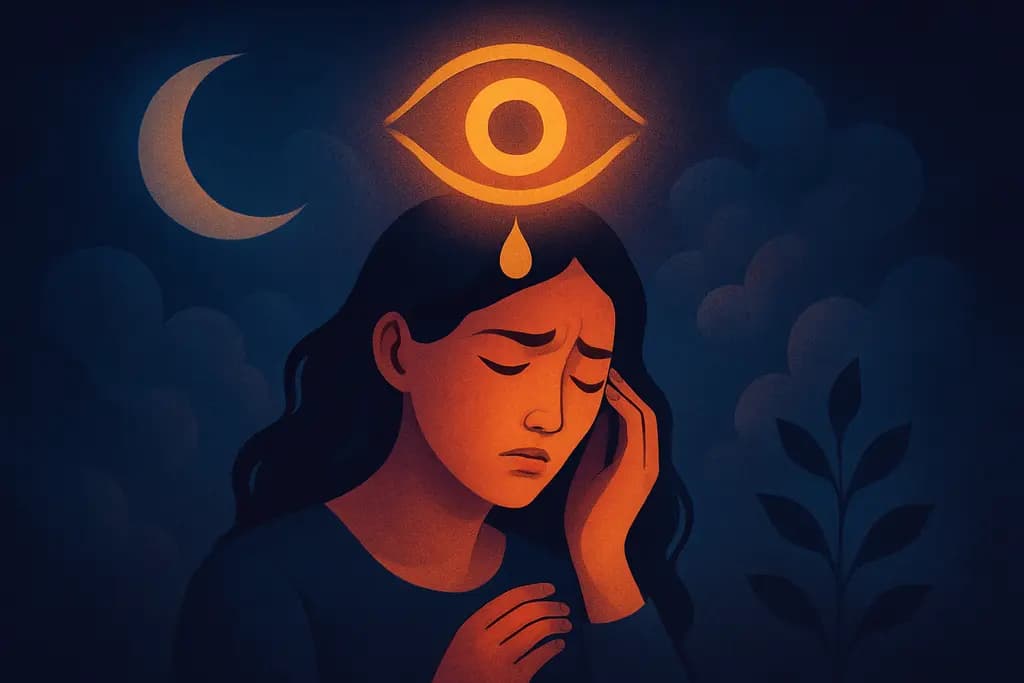
Dreaming that you are unable to cry when you want to points to a sense of emotional blockage and a need for release. The image of wanting to cry but finding your tears won't come is often charged with frustration, numbness or shame. As with any dream, the precise meaning depends on the feelings you experienced during the dream and the surrounding context.
General meaning of dreaming about Unable to cry when you want to
At its core, this dream symbolizes a difficulty accessing or expressing deep emotion. Tears in dreams usually represent release, cleansing and honest feeling; when tears are withheld, the dream calls attention to what you are not allowing yourself to feel or show.
This pattern commonly appears when someone has been carrying grief, stress or expectations that make open emotion risky or uncomfortable. The dream highlights internal conflict between the urge to let go and learned habits of restraint — whether those habits come from upbringing, work culture, or personal standards.
- Emotional blockage: difficulty reaching grief, sadness or relief.
- Unprocessed loss: grief that hasn't been expressed or concluded.
- Fear of vulnerability: worry about being judged if you cry.
- Numbness or exhaustion: emotional fatigue that prevents tears.
- Need for control: holding feelings in to maintain stability or role.
Spiritual meaning of Unable to cry when you want to in dreams
Spiritually, tears are often seen as a cleansing release of stuck energy. A dream where you can’t cry may indicate stagnant emotional energy around the heart or throat centers, suggesting a need for inner clearing and surrender.
Different traditions frame this slightly differently: some see it as spiritual dryness or a period of inner testing, while others emphasize compassionate self-work to restore flow. Universally, the message is about making space — allowing the spirit to process what the mind has been protecting you from.
Psychological interpretation
Fear, stress or anxiety
When anxiety or stress is high, the body can go into a protective mode that suppresses outward signs of distress. In this state, the sympathetic nervous system can clamp down on tear production and vocal expression, and the dream mirrors that physiological shut-down. It may be signaling chronic worry, anticipatory fear, or a recent shock that your system has not yet processed.
Relationships and emotional bonds
This dream can reflect dynamics where emotional expression is discouraged. You may be in a role that requires you to stay strong — caregiver, leader, or mediator — and this expectation prevents honest displays of sorrow. It can also point to relational patterns where showing pain has been punished or minimized, so you learned to hold tears back.
Control, power or vulnerability
Holding back tears can be a way of maintaining control or authority. The dream may reveal a conflict between wanting to be strong and secretly longing to be seen and comforted. It can also indicate fear that showing vulnerability will change how others see you or affect your situation.
Positive meaning
- Growing resilience: learning to tolerate hard feelings before they fully surface.
- Building boundaries: holding feelings until you’re in a safer space to express them.
- Preparing for change: emotional consolidation before transformation.
- Strengthening inner resources: developing ways to soothe yourself without immediate release.
- Awareness and readiness: the dream can be the first step toward intentional emotional work.
Negative meaning and warnings
- May suggest long-term emotional suppression that could lead to sudden overwhelm.
- Can indicate unresolved grief or trauma that needs attention.
- May point to social isolation or relationships that discourage honest feeling.
- Can indicate avoidance strategies that prevent healing and connection.
- May suggest increased risk of burnout if feelings remain unexpressed for too long.
Common variations of dreams about Unable to cry when you want to
- Wanting to cry but no tears come: A straightforward sign of blocked emotion or shock; you may be in denial or too numb to process what happened.
- Trying to sob but throat tightens: Reflects physical anxiety and the sensation of being unable to speak your pain; often linked to fear of speaking up.
- Standing in public and unable to cry: Suggests worry about judgment or reputation; you might be suppressing sorrow to protect an image.
- A child or baby who can’t cry: Taps into feelings of helplessness, nostalgia, or concern for someone vulnerable; it may point to unmet needs from your past.
- After a loss, unable to cry: Can indicate complicated grief or shock; your system may be postponing the grieving process.
- Tears start but stop mid-flow: Symbolizes interrupted grieving or conflict that prevents closure; there may be a person or memory obstructing release.
- Crying silently without sound: Reflects fear of being heard or of asking for support; you may feel alone with your pain.
What to do after such a dream
- Reflect on the feelings you had in the dream: note where tension or numbness showed up in your body.
- Journal specifics: who was present, what triggered the urge to cry, and any connections to recent events.
- Look at current life areas: relationships, work, caregiving roles, and recent losses that might explain suppression.
- Practice small, safe releases: slow breathing, gentle movement, or listening to music that allows tears to come if they need to.
- Create a private ritual: a short moment of silence, lighting a candle, or writing a letter you don’t send to permit emotion.
- Share with someone you trust: talking with a friend, mentor, or counselor can create a safe container for feeling.
- Observe patterns: if the dream recurs or causes significant distress, consider ongoing support such as therapy or a support group to explore deeper issues.