Dream About Trapped in an amusement park ride or haunted attraction – Meaning
Category: Events & Situations
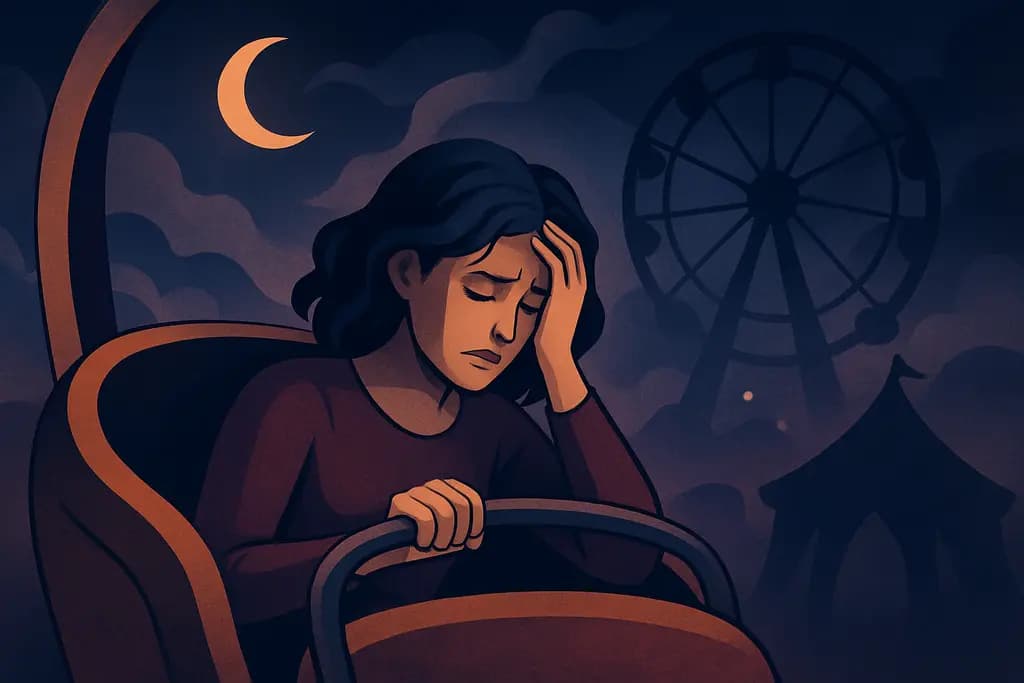
Dreaming of being trapped in an amusement park ride or a haunted attraction often feels intense—crowded, loud, disorienting, or eerily quiet. Such dreams point to moments when life feels out of control, stuck, or theatrical, but the precise meaning depends on your feelings during the dream and the surrounding context.
General meaning of dreaming about Trapped in an amusement park ride or haunted attraction
At their core, these dreams combine themes of thrill, fear, and spectacle with a loss of agency. Amusement rides and haunted attractions are designed to provoke strong emotions in a controlled setting; when you feel trapped in one, that controlled drama becomes personal and inescapable. The dream highlights situations where excitement and danger, fun and fear, are blurred in your waking life.
Common interpretations emphasize feeling stuck in high-intensity situations, being carried along by forces you can't steer, or confronting unresolved fears that keep coming back. The context—whether the ride is freezing, looping, or the attraction is dark and maze-like—shapes how you interpret the dream.
- Feeling powerless or swept along by external events
- Facing recurring anxieties, unresolved memories, or past trauma
- Experiencing emotional overload, sensory overwhelm, or a need to escape
- A warning about risky choices disguised as excitement
Spiritual meaning of Trapped in an amusement park ride or haunted attraction in dreams
Spiritually, this dream can symbolize a soul in a cycle of repetition—karmic loops, lessons you have yet to learn, or energetic patterns that keep pulling you back. Amusement parks are places of illusion and performance; being trapped there may suggest a need to see beyond life’s distractions and recognize what truly matters.
Different traditions might frame this as being stuck in an attachment (Buddhist perspective), a call to examine karmic patterns (Hindu or New Age views), or a test of courage and integrity (Western archetypal reading). Universally, the message often invites you to quiet the noise, find inner stillness, and discern which experiences are genuinely nourishing versus only momentary thrill.
Psychological interpretation
Fear, stress or anxiety
This dream frequently reflects high anxiety or acute stress. The sensory overload of rides and haunted attractions mirrors the way anxiety can make you feel trapped by racing thoughts, panic, or a sense that danger is imminent even when it isn’t. If the dream includes panic, difficulty breathing, or an inability to move, it may point to current stressors that your mind is processing at night.
Relationships and emotional bonds
Being trapped in a shared ride or attraction with others can highlight relationship dynamics—codependency, feeling dragged along by a partner’s choices, or being unable to leave a toxic social pattern. The presence of certain people in the dream can reveal who you associate with those feelings of entrapment or who might be enabling risky behavior.
Control, power or vulnerability
These dreams often center on control: either losing it or recognizing its limits. A ride you can’t stop suggests external forces dominating you, while being locked in a haunted house may highlight vulnerabilities and unprocessed fears. The experience can prompt reflection on where you give away power and how you might reclaim agency.
Positive meaning
- A prompt to face fears: the dream can encourage you to confront what’s been avoided, leading to personal growth.
- Recognition of emotional limits: realizing you feel trapped can motivate boundary-setting and self-care.
- Opportunity for transformation: the shock or thrill element can jolt you into change—new choices, new paths.
- Increased resilience: surviving the dream’s ordeal may reflect or build inner strength to handle waking challenges.
- Creative awakening: the surreal, dramatic imagery can unlock creative insights or new ways of expressing yourself.
Negative meaning and warnings
- May suggest you are ignoring persistent problems that could worsen if unaddressed.
- Can indicate involvement in risky or impulsive behavior that feels exciting but unsafe.
- Might point to manipulative relationships where you have limited freedom or agency.
- Can indicate emotional burnout or sensory overload that needs rest and boundaries.
Use cautious language with these warnings: they may suggest patterns to examine rather than definitive diagnoses.
Common variations of dreams about Trapped in an amusement park ride or haunted attraction
- Stuck on a roller coaster: Often symbolizes rapid emotional ups and downs, fear of losing control, or a relationship that has extreme highs and lows.
- Trapped on a ferris wheel: May reflect cyclical thinking, repetitive relationship patterns, or feeling exposed while unable to move forward.
- Locked inside a haunted house: Typically points to unresolved trauma, repressed memories, or fears that continue to haunt you until addressed.
- Lost in a mirror maze or funhouse: Suggests confusion about identity, distorted self-image, or difficulty seeing which way leads out of a problem.
- Unable to exit a dark tunnel or maze at a haunted attraction: Can indicate feeling trapped in a long-term issue or uncertainty about the next step.
- Stuck on a carousel that won’t stop: Often shows being stuck in routines or habits that go round and round without progress.
- Trapped in an escape room that has no solution: May reflect feelings of helplessness when faced with complex problems or unrealistic expectations.
What to do after such a dream
- Reflect on your emotions: identify whether you felt panic, excitement, curiosity, shame, or numbness.
- Journal specifics: note details—the ride type, who was with you, whether you could move, and how you escaped (or didn’t). These clues point to waking-life parallels.
- Look at current stressors: evaluate work, relationships, finances, and lifestyle choices that may feel overwhelming or out of control.
- Consider boundaries and agency: ask where you might be giving away power and what small steps you can take to reclaim choice.
- Talk it over: discuss the dream with a trusted friend, partner, or therapist to gain perspective on recurring themes.
- Take practical action: if the dream points to burnout or risky behavior, prioritize rest, reduce stimulation, and make deliberate choices that support safety and wellbeing.
Pay attention to recurring dreams of this type: repeated messages often indicate issues that benefit from gentle but sustained attention.