Dream About Temporary paralysis / can't move (sleep paralysis feeling) – Meaning
Category: Fears & Nightmares
Dreaming that you are temporarily paralyzed or unable to move—often experienced like sleep paralysis—can feel intensely real and frightening. These dreams typically point to a sense of being stuck, overwhelmed, or silenced in waking life. The precise meaning depends heavily on the emotions you felt during the dream and the surrounding context.
General meaning of dreaming about Temporary paralysis / can't move (sleep paralysis feeling)
At its core, dreams of temporary paralysis symbolize a blockage between intention and action. You may know what you want or need to do, but some force—internal or external—seems to prevent movement. These dreams often show up during periods of high stress, transition, or unresolved emotional conflict.
Common interpretations emphasize halted progress, feelings of vulnerability, or difficulty expressing yourself. The sensation of being awake but unable to move can also highlight a gap between awareness and the capacity to respond: you see what's happening in your life but feel powerless to change it.
- Feeling stuck or immobilized in a life situation
- Difficulty speaking up or asserting boundaries
- Overwhelm, exhaustion, or a need to pause and regroup
- Fear of being judged, exposed, or controlled
Spiritual meaning of Temporary paralysis / can't move (sleep paralysis feeling) in dreams
Spiritually, temporary paralysis in dreams can represent a time of energetic recalibration. Some traditions interpret immobility as the soul pausing to integrate lessons, urging introspection rather than action. In shamanic or meditative frameworks, stillness may signal that the subtle body needs rest before the next stage of growth.
Across many belief systems, paralysis imagery can point to a spiritual boundary: limiting beliefs, karmic patterns, or a call to surrender control and listen inwardly. That pause may feel uncomfortable but can also be a protective silence that precedes clarity or transformation.
Psychological interpretation
Fear, stress or anxiety
The most common psychological reading ties this dream to acute anxiety or chronic stress. When the nervous system is on high alert, the body and mind may replay sensations of immobility as a metaphor for being overwhelmed. Nightmares or sleep-paralysis episodes often coincide with poor sleep, panic, or intense worry.
Relationships and emotional bonds
In relational terms, paralysis dreams can reflect feeling trapped in a partnership, family role, or social expectation. You might fear speaking out because of potential conflict, abandonment, or disappointing someone important. The dream highlights emotional dependence or an inability to assert needs.
Control, power or vulnerability
These dreams frequently probe questions of control and vulnerability. Being unable to move can represent a perceived loss of agency—either because someone else exerts power over you, or because internal fears prevent you from taking charge. The image forces you to confront how much autonomy you truly feel.
Positive meaning
- A forced pause that allows inner healing, rest, or integration
- Recognition of limits that leads to healthier boundaries and self-care
- A wake-up call to reassess priorities and eliminate unsustainable burdens
- Opportunity to develop new coping skills and strengthen resilience
- Invitation to practice mindfulness and reconnect with inner guidance
Negative meaning and warnings
- May suggest unresolved trauma or anxiety that requires attention
- Can indicate a pattern of avoidance, staying silent, or people-pleasing
- May point to a relationship or situation that is emotionally stifling
- Can indicate burnout or chronic stress that, if ignored, worsens overall wellbeing
- Might warn that delaying action will prolong a problem rather than solve it
Common variations of dreams about Temporary paralysis / can't move (sleep paralysis feeling)
- Paralysis with a pressing weight on the chest: Often reported with sleep paralysis, this variation can indicate intense anxiety, guilt, or a feeling that responsibilities are crushing you.
- Unable to speak while paralyzed: Suggests difficulty voicing needs or fears of being misunderstood; communication barriers are prominent.
- Partial paralysis (only legs or only arms): If legs are frozen, it can mean inability to move forward in life; frozen arms may point to feeling unable to act or reach out for help.
- Paralysis in public or at work: Reflects fear of humiliation or failure where others might judge you; concerns about reputation or performance are likely.
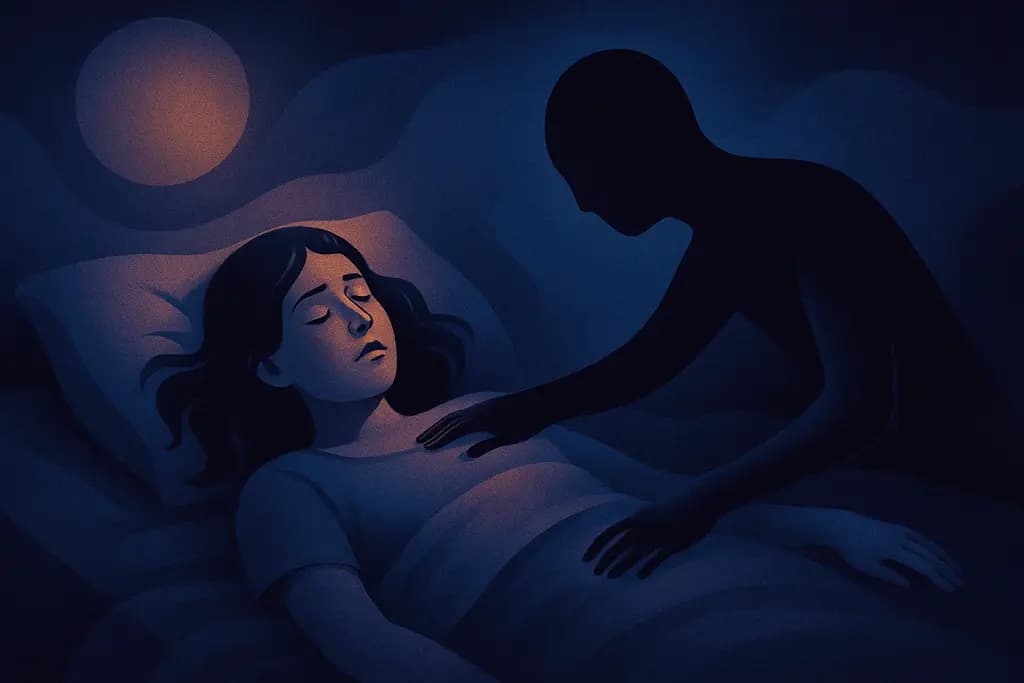
- Paralysis with a presence or shadow in the room: Common in sleep-paralysis narratives, this can symbolize an externalized fear—an unresolved issue that feels intrusive and controlling.
- Recurring paralysis dreams: Repetition may indicate a chronic stressor or a persistent psychological pattern that needs addressing.
- Waking from paralysis into relief: If you wake before the paralysis resolves, it can signal that awareness is increasing even if change hasn’t happened yet.
What to do after such a dream
- Reflect on the emotions you felt: Were you terrified, calm, resigned, or angry? The feeling is often the clearest guide to meaning.
- Journal details: Note where you were, who was present, and any sensations; patterns across nights reveal triggers.
- Look at current life pressures: Consider work, relationships, sleep habits, and decision points that might be creating a sense of being stuck.
- Check boundaries and support: Ask whether you need to assert limits, ask for help, or step back from draining commitments.
- Practice grounding and gentle movement: Breathing exercises, light stretching, and short walks can reduce nighttime tension and reclaim physical agency.
- Consider therapeutic reflection: If dreams are frequent or distressing, talking with a counselor or therapist can help unpack underlying anxieties and create practical strategies for change.
By treating the dream as a signal rather than a sentence, you can use its message to identify where feeling stuck shows up in your life and take small, compassionate steps toward more freedom and agency.