Dream About Stuck in Quicksand – Meaning
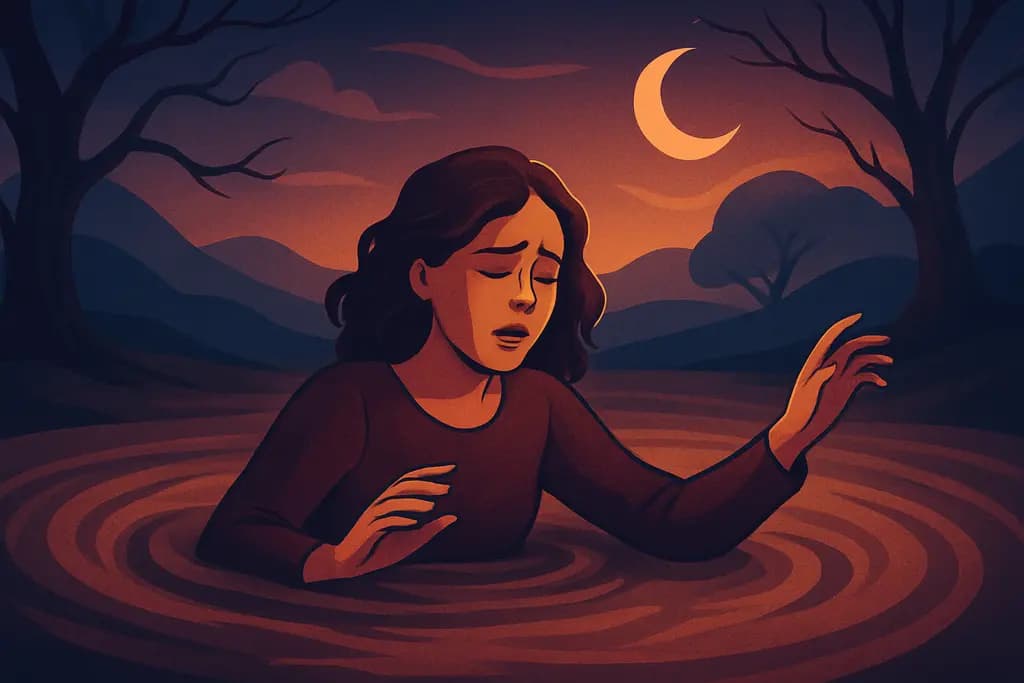
Category: Nature & Elements
What this dream usually means
This dream most commonly signals feeling trapped or slowed by a real-life situation—an obligation, a relationship, a decision, or an emotion that drains energy and resists progress. If you struggle wildly in the dream, it may reflect frantic attempts to escape a problem (missed deadlines, debt payments, caregiving duties). If you cease struggling or are rescued, the dream can point to acceptance, asking for help, or a turning point. Note who or what is present: helpers suggest support is available; alone suggests you’re facing the weight yourself.
What your mind may be processing
From a modern psychological angle, quicksand imagery often processes stressors that overload coping strategies: chronic deadlines, unresolved conflict, or repetitive negative thinking. The dream externalizes internal forces that 'pull' at attention and energy. In real life, this shows up as procrastination, irritability, or physical fatigue. Notice whether the dreamer struggles, freezes, or accepts—each reaction suggests different coping patterns (fight, freeze, or surrender) rather than a clinical diagnosis.
What this dream usually does not mean
This dream rarely serves as a literal prediction—you’re not being warned about actual quicksand or a specific physical hazard. It does not usually foretell disaster. Instead, treat the image as symbolic of being slowed or engulfed by obligations, emotions, or stalled plans. The scene’s literalness is misleading; focus on the psychological or situational parallels rather than reading it as future news.
Three common meanings
- 1. Overwhelm from responsibilities. You may be juggling work, family care, or financial duties that feel heavier than you can manage. The slow sinking mimics the cumulative weight of undone tasks—missed bills, expanding inboxes, caregiving demands—where every effort yields only partial progress and exhaustion sets in.
- 2. Emotional entanglement. Quicksand can symbolize a relationship or emotional pattern that pulls you down: guilt, grief, or lingering attachment. The dream points to emotions that cling and resist resolution; struggling in place reflects attempts to push away feelings that actually need acknowledgment or a boundary.
- 3. Fear of losing control. This scene can reveal anxiety about competence, reputation, or autonomy—worries that small setbacks will snowball into immobilizing failure. Sinking gradually captures the experience of sliding from confidence into helplessness, especially before big decisions like job changes or moves.
- 4. Stalled transition or resistance to change. If you’re between stages—ending a relationship, leaving a job, or planning to move—the dream may represent resistance to that transition. The quicksand is the pull of the familiar or fear of the unknown; rescue or calm acceptance in the dream hints that a supported or surrendered shift could free you.
Unusual details people report
Reportable details include a ringing phone buried in the mud, a child’s backpack floating nearby, rain turning sand into sludge, or the sound of a distant engine. People often notice clothing getting heavier, shoes stuck like concrete, or the sudden smell of salt or petrol as the scene deepens.
Why recurring versions matter
Recurring quicksand dreams matter when they repeat over weeks or during major life stress because repetition signals an unresolved issue that your mind keeps looping. If the scene escalates—deeper sinking, louder panic, lack of helpers—that indicates rising pressure in waking life. Conversely, recurring dreams that shift toward rescue, calmer breathing, or climbing out suggest progress. Pay attention to frequency, emotional intensity, and whether the dream’s outcome changes over time.
How different traditions interpret it
Meanings vary widely across traditions. In some indigenous stories, bogs and quicksand warn about disrespecting land or boundaries; in Western folklore they often symbolize moral or social pitfalls; in Eastern philosophies the motif can emphasize non-attachment. No single cultural reading is definitive—interpretations depend on the dreamer’s background, symbols common in their culture, and personal beliefs.
Frequently asked questions
Is it related to stress?
Yes. This dream is commonly related to stress—ongoing pressure from obligations, deadlines, or emotional burdens often shows up as sinking or being stuck.
What should I do after this dream?
After the dream, take a concrete step: list the three smallest actions that reduce the load (call one person, pay one bill, set one boundary) and try one within 24 hours.
Why do I feel fear in this dream?
Fear in the dream reflects perceived helplessness: your brain signals that a problem feels larger than your current resources or plan. The intensity depends on how trapped or aided you felt.
Can this dream be positive?
Yes. It can be positive if you stop struggling, call for help, accept support, or find a path out—the dream can mark a breakthrough, a decision to let go, or the availability of help.
Dream meanings connected to this one
If this dream keeps returning, pages about Quicksand pulling you down, A lighthouse whose light goes out, and A river made of glass can reveal the related patterns underneath it. They often overlap around insecurity, transition, or stress in everyday life. You may also want to compare it with A tree that speaks to you if the same mood or conflict keeps showing up.