Dream About Staying in a Hotel – Meaning
Category: Home & Buildings
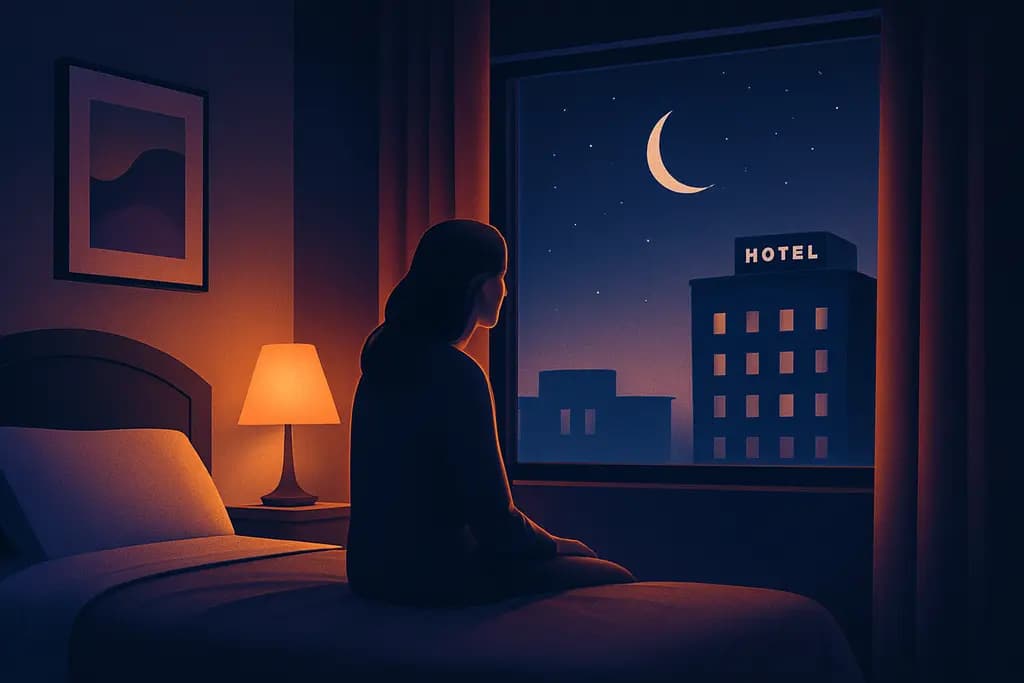
Dreaming about staying in a hotel often reflects a sense of transition, temporary roles, or being between two stages of life. Hotels are portable homes: they suggest impermanence, choices about how you present yourself, and how comfortable you feel away from your usual routines. The specific feeling in the dream and the surrounding context shape the interpretation more than the image alone.
General meaning of dreaming about Staying in a Hotel
At its core, a hotel in a dream symbolizes temporary shelter, change, hospitality, and the public face of private life. Because hotels are places where people stop briefly, they frequently point to situations where you feel you're in-between — a short-term job, a transitional relationship, or a period of uncertainty where you haven't fully settled.
The dream can also reflect boundaries between private and public selves: a hotel room is private but located in a public building, so the dream may reveal how you manage personal needs while being observed or judged.
- Transition or liminality: moving from one phase of life to another.
- Temporary identity: testing a role or persona that isn’t permanent.
- Safety vs. exposure: searching for comfort in unfamiliar surroundings.
- Choices and decisions: checking in or out can mirror commitment or avoidance.
Spiritual meaning of Staying in a Hotel in dreams
Spiritually, a hotel can stand for a temporary resting place in your soul journey. Many traditions view temporary dwellings as symbols of pilgrimage or inner travel — you are not home yet, but you are on the path.
In universal spiritual terms, staying in a hotel may indicate a period of learning, purification, or preparation before returning to a more stable or sacred space. Some seekers interpret hotel dreams as signs that you are being guided to try different perspectives before settling on one that aligns with your deeper purpose.
Psychological interpretation
Fear, stress or anxiety
If the dream carries anxious tones — like being unable to find your room, being locked out, or feeling unsafe — it may mirror real-life stress. Hotels in dreams can show concerns about temporary living situations, job instability, or general uncertainty. Anxiety-focused hotel dreams often highlight a fear of impermanence or lack of control.
Relationships and emotional bonds
A hotel can represent relationships that feel temporary or experimental. Staying in a hotel with a partner may point to a relationship under review, one that lacks long-term commitment, or a phase where both people are figuring out compatibility. Interactions with strangers in a hotel can reflect new emotional openings or caution about intimacy.
Control, power or vulnerability
Hotels place you under external systems — check-in rules, staff, room keys — which can symbolize how much control you feel you have. Feeling powerless in a hotel dream can indicate vulnerability in your waking life, while smoothly managing a hotel stay may reflect confidence in navigating transitions and external expectations.
Positive meaning
- Embracing change: seeing the hotel as a welcoming stop can mean you’re open to new experiences and personal growth.
- Exploration and curiosity: staying in different rooms or hotels can signify a willingness to try new roles and learn from diverse situations.
- Healing and rest: a calm, comfortable hotel stay may point to a needed period of recovery and self-care.
- Opportunity and independence: traveling alone and enjoying the hotel suggests growing autonomy and resourcefulness.
- Flexibility and resilience: adapting to hotel rules or surprises shows strength in uncertainty.
Negative meaning and warnings
- May suggest instability: repeatedly dreaming of hotels can indicate ongoing insecurity or unsettled circumstances.
- Can indicate avoidance: choosing hotel life over returning home may hint at delaying commitments or difficult decisions.
- May point to transient relationships: hotel encounters can indicate emotional connections that lack depth or permanence.
- Can indicate vulnerability to external control: feeling trapped by hotel rules may mirror real life situations where you feel overmanaged or powerless.
Common variations of dreams about Staying in a Hotel
- Checking in but not getting a room — May reflect stalled progress in a new life direction or feeling unrecognized by others.
- Losing the room key or being locked out — Often relates to anxiety about access, missed opportunities, or feeling excluded from what you need.
- Staying in a luxurious hotel — Suggests a desire for comfort, self-worth, or aspiration to a higher status; can also show temporary indulgence.
- Staying in a rundown or dirty hotel — Can indicate low energy, unresolved self-care issues, or feeling stuck in an unhealthy situation.
- Sharing a hotel room with strangers or acquaintances — May point to boundary issues, social anxiety, or unexpected intimacy with people you don’t fully know.
- Searching through long hotel corridors — Reflects a journey of self-discovery or the effort to find direction and an authentic place to belong.
- Being asked to change rooms or evicted — May signal sudden life disruptions, rejection, or a push to reassess current choices.
- Frequently moving between rooms or hotels — Often mirrors a restless period, difficulty committing, or testing multiple paths before choosing one.
What to do after such a dream
- Reflect on emotions: note how you felt in the dream — safe, anxious, liberated, or exposed — and connect those feelings to waking situations.
- Look at transitions in your life: consider jobs, relationships, moves, or decisions that feel temporary or unresolved.
- Examine boundaries and roles: ask whether you are adopting temporary personas or avoiding deeper commitments.
- Check practical needs: does the dream point to housing, work stability, or support you need to feel secure?
- Journal or discuss: write about the dream details or talk with someone you trust to clarify recurring themes and next steps.
Take these observations as invitations to explore choices and to strengthen the parts of life that feel uncertain rather than as single, fixed predictions.