Dream About Speechless — can't talk – Meaning
Category: Body & Health
Dreaming that you are speechless or cannot talk often feels alarming — you might wake up frustrated or frightened by your inability to make a sound. Such dreams point to blocks in communication, but their exact meaning depends on your emotions during the dream and the context: are you calm, panicked, or embarrassed?
General meaning of dreaming about Speechless — can't talk
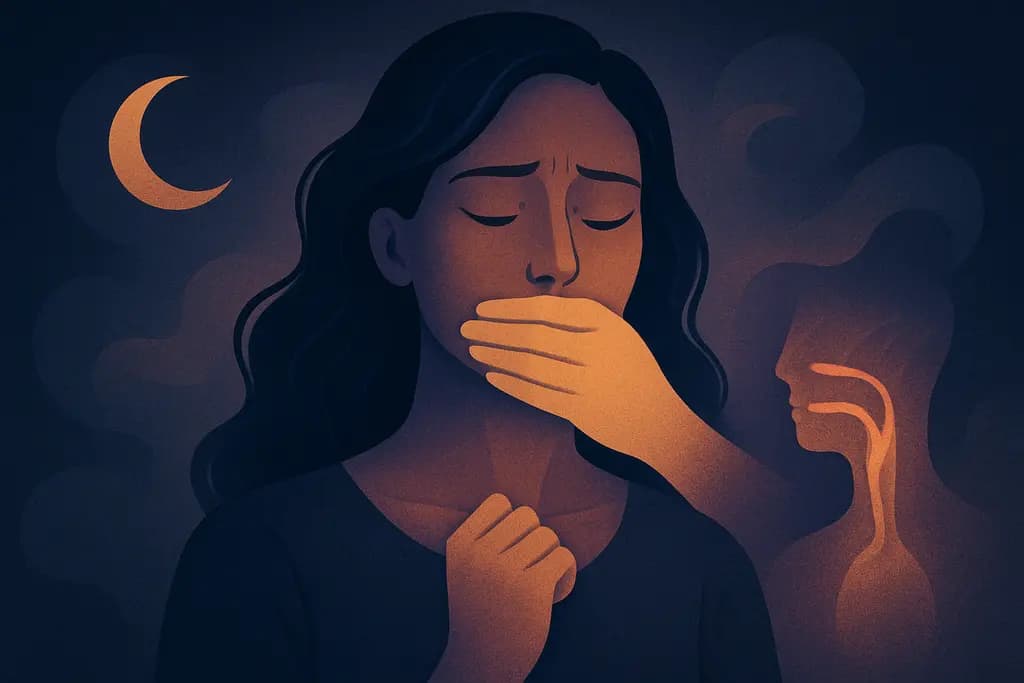
At its core, a dream of being speechless symbolizes difficulty expressing yourself. It often appears when something in waking life prevents you from speaking freely: fear of judgment, suppressed feelings, or physical limitations related to the body and health. The body-and-health angle can make the image especially literal — your subconscious may be highlighting vocal strain, illness, or a sense that your body has betrayed your intentions.
Typical interpretations include a mix of emotional and physical themes. Sometimes the dream points to temporary stress that muffles your voice; other times it reflects deeper patterns like chronic avoidance or a habit of staying silent.
- Inability to express needs or opinions
- Fear of being judged or misunderstood
- Physical concerns about voice, throat, or health
- Feeling powerless or ignored in relationships
Spiritual meaning of Speechless — can't talk in dreams
Spiritually, being speechless can signify a period of inner listening. Many traditions view silence as fertile ground for insight: if your dream strips away words, it may be inviting you to notice intuition, inner guidance, or subtle energy shifts. In some practices, a temporarily closed throat chakra (vishuddha) is linked to restriction in expression; dream silence can point toward energetic work or mindful speech.
Across cultures, such dreams can also mark transitions: the old way of communicating is ending so a new style — calmer, more authentic, or nonverbal — can emerge.
Psychological interpretation
Fear, stress or anxiety
When anxiety is high, the mind can imagine being unable to respond. A speechless dream may mirror panic responses where the throat tightens and words vanish. This is common before big decisions, presentations, or conflict: the dream dramatizes the fear of freezing under pressure.
Relationships and emotional bonds
In relationship contexts, this dream often signals suppressed feelings. You may be holding back resentment, grief, or affection because you worry about consequences. The inability to speak in the dream highlights a disconnect between what you feel and what you say.
Control, power or vulnerability
Being unable to talk can highlight power dynamics. If you feel controlled or belittled in waking life, the dream emphasizes vulnerability and loss of agency. Conversely, it can indicate a conscious choice to withhold words — an inner boundary being tested.
Positive meaning
- Time for inner listening and growth: silence in dreams can open space for clarity and new creative ideas.
- Healing: the dream may mark the start of a recovery process where you learn to protect your energy and speak selectively.
- Strengthening nonverbal communication: developing empathy, presence, and deeper listening skills.
- Learning to assert yourself later: the dream can act as a rehearsal, prompting you to prepare healthier ways to express needs.
Negative meaning and warnings
- May suggest chronic suppression of emotions that could erode well-being.
- Can indicate rising anxiety or social fears that interfere with daily functioning.
- May point to unresolved conflicts left unspoken, which can worsen relationships if ignored.
- Could reflect physical health concerns related to the throat, voice, or nervous system — note this as a possible signal rather than a diagnosis.
Common variations of dreams about Speechless — can't talk
- Being unable to shout: You try to yell but no sound comes out; may indicate intense frustration and a need to release strong emotions.
- Tongue-tied or mouth numb: Difficulty moving the tongue suggests speech anxiety or feeling inhibited about saying the "right" thing.
- Gagged or mouth sealed: Someone silences you in the dream; may point to feeling censored or controlled by others.
- Faint voice or whispering: You can only whisper, reflecting low confidence or the need to speak gently in a tense situation.
- Losing your voice before an important event: This variation highlights performance fears and anticipatory stress.
- Medical or illness-related loss of speech: Dreaming your voice is gone due to sickness can mirror real health worries or sensitivity to bodily signals.
- Silent in a crowded room: Feeling invisible or unable to contribute in social or professional settings.
What to do after such a dream
- Reflect on emotions: Journal the dream details and note how you felt — panic, calm, shame, relief — to identify waking-life parallels.
- Check your context: Consider recent conversations, work pressures, or health changes that might be linked to the dream.
- Practice gentle expression: Try small, low-stakes ways to speak your needs (a short text, a brief conversation, or a boundary sentence) to rebuild confidence.
- Use embodiment tools: Breathwork, gentle neck and throat stretches, and grounding exercises can help if the dream feels tied to bodily tension.
- Seek support: If the dream recurs or relates to deep anxieties or relationship issues, talking with a trusted friend or a mental-health professional can help you process and plan next steps.
Remember that a single dream is rarely literal; it’s a mirror reflecting emotional, energetic, and bodily threads. Paying attention to feelings and context will clarify whether the message invites rest, change, or new ways of speaking up.