Dream About Someone deleting your most used emoji – Meaning
Category: Social Media & Online Life
Quick interpretation
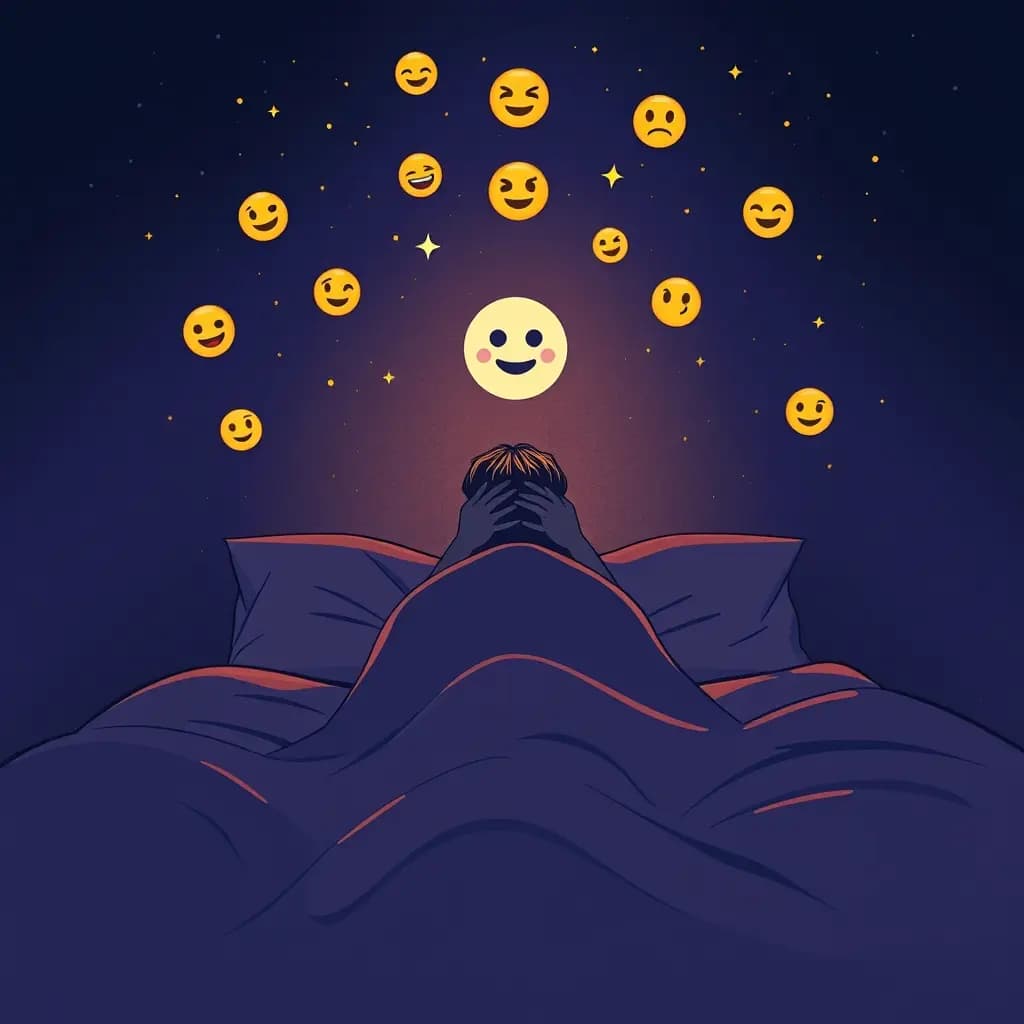
This dream commonly signals a sense of lost small-scale identity or shorthand: an emoji stands for your habitual tone, inside joke, or emotional shorthand, and deleting it feels like being edited or silenced. In real life, losing an emoji doesn’t predict a technical event; it points to tension over who controls how you come across, a nudge to examine: did someone alter your social space, correct you publicly, or make you self-censor? Emotionally it can be mild humiliation, guardedness, or a defensive urge to reclaim voice.
What it can reflect emotionally
From a modern, non-medical psychological angle, the dream uses a concrete event (deleting an emoji) to work through emotions: shame, irritation, loss of casual self-expression, or vigilance about social tone. It may surface when someone recently rebuked your comments, you adjusted your online presence, or you’ve lost a familiar social cue. The mind rehearses scenarios where a tiny, repeated gesture that eases connection is taken away, helping you evaluate who controls your voice and where you feel safe to be informal.
What this dream usually does not mean
This dream rarely serves as a literal prediction that someone will delete an actual emoji or that an app will malfunction. It does not usually mean a specific person literally intends to erase your online presence. Rather than a technical prophecy, it generally translates emotional experiences—feeling edited, minimized, or corrected—into a digital symbol.
Three common meanings
- Loss of small identity. The emoji represents a habitual way you signal mood or identity (a wink, heart, or inside-joke emoji). Someone deleting it in the dream can reflect a fear that small, meaningful parts of how you communicate are being removed — perhaps after a breakup, a friend group changing, or a new workplace tone enforcement.
- Boundary or control issue. If the dream features a particular person doing the deleting, it can point to feeling controlled or corrected. This interpretation fits times when someone has commented on your tone, set limits on your speech, or when you’re navigating who gets to define acceptable expression in your social circle.
- Anxiety about changing routines. Because emojis are tiny habits, their removal can reflect anxiety about broader shifts: updated norms, new apps, changing expectations, or a role change (parenthood, new job). The dream dramatizes the small loss to highlight unease about larger routine or identity adjustments.
- Social reputation and performance worry. A deleted emoji in a public chat or in front of others can mean worry about how you’re judged online: embarrassment, a fear of being misread, or concern that a small slip will alter how others see you. This reading is common after public corrections, viral misunderstandings, or social media missteps.
Concrete details that tend to stand out
People often report seeing a phone face-up on a kitchen table, a blue chat bubble blink, or a crowded party where the deletion happens in front of others. You might feel your palms damp, heart quicken, hear a soft whoosh as the icon vanishes, or notice the other person wearing a distinct jacket or standing by a doorway.
When this dream deserves attention
Pay attention if the dream recurs, wakes you repeatedly, or leaves you unusually anxious about small habits. It becomes important when it mirrors a real-life shift — a relationship changing tone, public criticism, job role demands, or ongoing social media scrutiny. If the image spikes after a specific event (public correction, group exclusion, or an account change), use it as a signal to address boundaries or reclaim small comforts that anchor your daily identity.
Cultural and symbolic views
Meanings vary across cultures and generations: digital natives may read this dream as a direct commentary on online identity, while others might translate it to a wider symbol about being silenced or edited in conversation. Some traditions emphasize signs and omens and might treat the deletion as meaningful; others regard dreams as private processing. Avoid universal claims — cultural context, age, and how central digital expression is to your daily identity will shape what the dream signifies for you.
FAQ
What should I do after this dream?
Start by noting the context: who was involved and what emoji vanished. If it reflects a real conflict, consider a calm conversation about tone or boundaries. If it’s personal anxiety, restore small rituals (reuse a favored emoji privately) and limit exposure to situations that feel censoring.
Why do I feel fear in this dream?
Fear often comes from feeling publicly corrected or silenced. In the dream the gesture of deletion is a small, visible erasure—your brain translates that into a sharp, social fear: embarrassment, loss of voice, or being judged.
Is it related to stress?
Yes, it commonly relates to stress, especially social stress: recent critiques, role changes, or heavy moderation of your online speech increase the chance of this dream. Chronic stress makes these symbolic enactments more vivid.
Is this about money?
Not directly. The image of deleting an emoji rarely signals financial change. It’s typically about communication, identity, and social tone rather than money or economic loss.
Related dreams to explore
People who dream about someone deleting your most used emoji often end up exploring Notifications that speak instead of beep, Unfixable typo in a public post, and Being live with no audio next, because the same pressure can show up through different symbols. Comparing them usually makes the emotional pattern clearer. You may also want to compare it with Screenshot of Your Future if the same mood or conflict keeps showing up.