Dream About Sleeping but still at work – Meaning
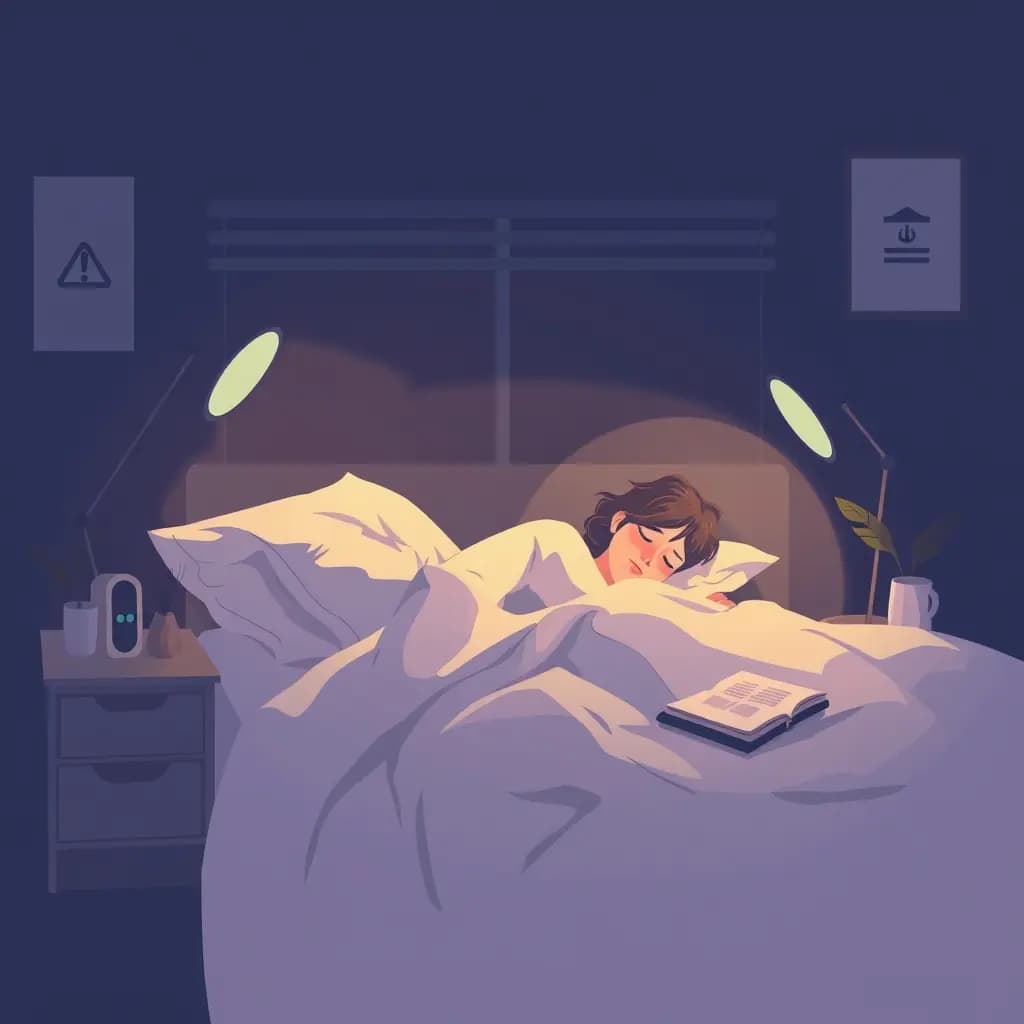
Category: Sleep & Dream States
Main interpretation
Feeling ashamed or guilty about performance often opens this dream: it typically reflects being emotionally or physically depleted while still expected to deliver. It can point to burnout, blurred boundaries, or a fear that rest will be noticed and punished. At a symbolic level it highlights conflict between bodily needs and workplace demands — the dream stages the clash so you can see where you’re overcommitted and where small changes might prevent a breakdown.
A typical dream scenario
You’re at a fluorescent-lit open office, head nodding at your keyboard as a meeting starts across the room. Your chair is sticky, the coffee is cold on the desk, and the boss paces by a glass door without noticing. Panic prickles when you realize you’ve been dozing through a presentation; colleagues whisper, a phone vibrates loudly, and your body feels heavy as if the sheets are still around you. In real life, this can follow nights of short sleep or a week of piling deadlines and the leftover fatigue becomes the scene of the dream.
Unusual details people report
People report falling asleep on odd objects (a printer or conference table), hearing a ticking clock grow loud, alarm clocks that won’t wake them, or the sensation of being wrapped in a coat while slumped in a swivel chair. Sometimes the office is outdoors in rain or the elevator doors close on a pile of paperwork.
Emotional and symbolic meanings
- Performance anxiety and fear of exposure. The dream can represent anxiety about being judged for not meeting expectations. Sleeping while coworkers watch symbolizes a worry that private fatigue or perceived incompetence will be revealed. It highlights concerns about reputation, the pressure to be 'on' constantly, and the social cost of admitting limits.
- Burnout, boundary erosion, and unmet physical needs. Falling asleep at work often signals chronic exhaustion and eroded boundaries—long hours, interrupted rest, and responsibility spillover. The dream draws attention to physical needs and the consequences of ignoring them, nudging you to protect downtime, delegate tasks, or renegotiate expectations to prevent future collapse.
What this dream usually does not mean
This dream is rarely a literal prediction that you’ll fall asleep on the job or lose your position. It does not usually forecast specific events at work; instead it dramatizes internal states—fatigue, fear of judgment, or unclear boundaries. Emotionally, it can feel humiliating, but that shame in the dream often exaggerates anxieties rather than reporting actual workplace consequences.
Symbolic meaning across traditions
Meanings vary across cultures and traditions. In Western secular psychology the dream commonly signals stress and performance worry; in some East Asian contexts it may carry themes of shame and social harmony, emphasizing duty and reputation. Indigenous or communal frameworks might interpret it as a sign to consult community elders about role strain. These are different lenses, not fixed rules—interpretations shift with culture, personal history, and local values.
Questions to reflect on
- When did I last sleep through an entire night, and how many days straight have I felt behind at work?
- Which task, person, or habit keeps pulling me back into work when I should be resting?
- What practical step (short nap, meeting boundary, delegate task) can I try this week to protect sleep and downtime?
Common questions
Is this dream a warning?
Is this dream a warning? Short answer: yes, often a warning signal about burnout or neglected rest rather than an imminent catastrophe. Treat it as a prompt to check your sleep, workload, and stress levels.
Is this about money?
Is this about money? Not usually. While financial pressure can increase stress that leads to this dream, the image more directly reflects exhaustion and boundary issues than finances themselves.
What should I do after this dream?
What should I do after this dream? Take a practical step: evaluate recent sleep, set one firm boundary (turn off email after X time), or schedule a replenishing activity. If it recurs, track triggers and consider talking with a supervisor or therapist.
Is it related to stress?
Is it related to stress? Yes—this dream is commonly linked to stress, especially chronic or performance-related stress. Reducing workload, improving sleep hygiene, and managing expectations often reduce these dreams.
Dream meanings connected to this one
If this dream keeps returning, pages about Dream memory overlaps reality, Unable to wake for hours, and Dream voice echoes endlessly can reveal the related patterns underneath it. They often overlap around insecurity, transition, or stress in everyday life. You may also want to compare it with Night vision in daylight dreams if the same mood or conflict keeps showing up.