Dream About Sleep paralysis scream unheard – Meaning
Category: Sleep & Dream States
A typical dream scenario
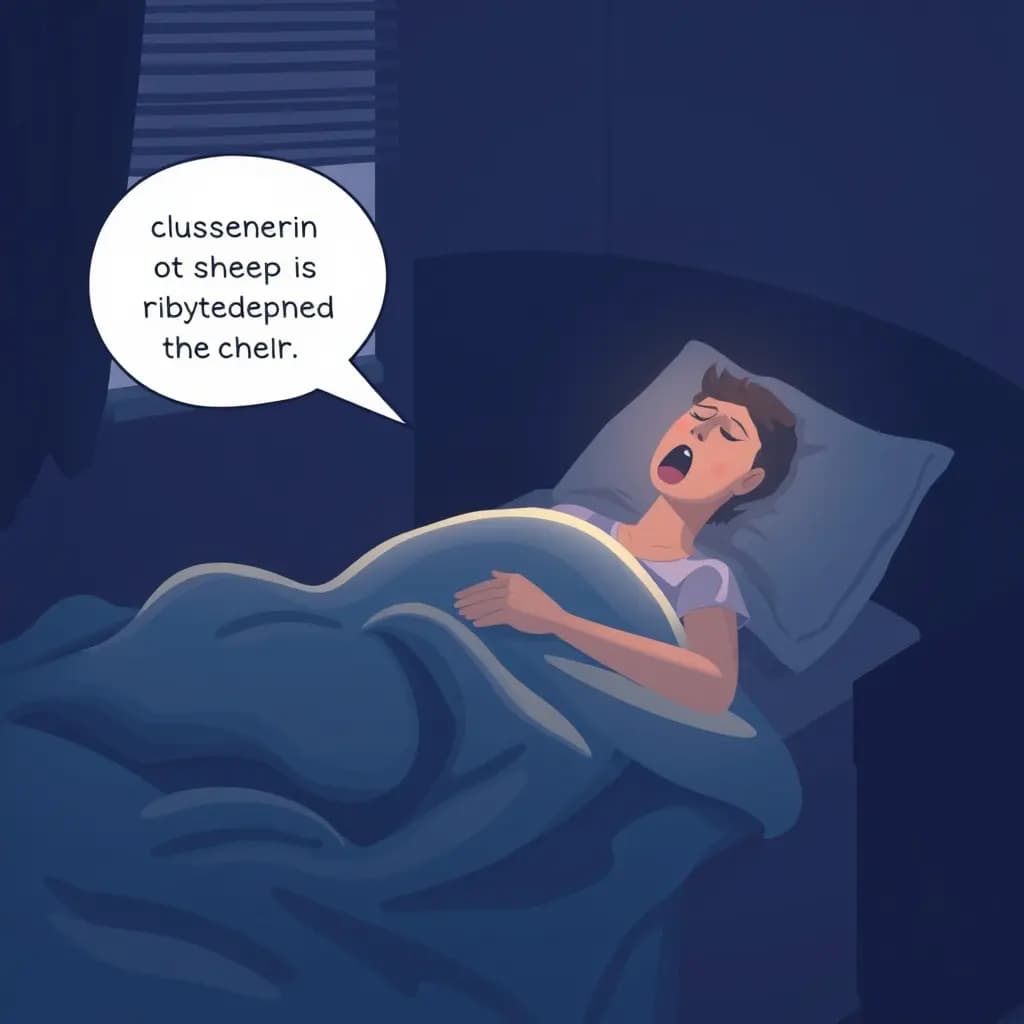
Direct answer: a sleep-paralysis scream that you cannot hear usually points to feeling silenced or powerless rather than a supernatural omen. You lie on your back in a narrow bedroom, ceiling light off, alarm clock glowing 3:17 a.m., throat open but no sound; panic rises as the duvet feels heavy and breath comes shallow. Emotionally it is sharp — impotent terror, frustration — sometimes happening after a fight, a long workweek, or when you’ve been avoiding a hard conversation. The scene often feels claustrophobic, as if your voice is trapped behind a locked door.
Concrete details that tend to stand out
Common vivid details people report: a closed bedroom door with a sliver of hall light, rain streaking the window, a buzzing bedside lamp, your mouth open but no sound, limbs heavy as concrete, sweat on the skin, and a low distant siren or muffled crowd noise that feels both near and far.
What this dream usually means
This dream is commonly associated with a psychological experience of being unheard or immobilized: it often reflects suppressed communication, acute stress, or a period when you can’t act despite knowing you should. It can reflect waking situations where you don’t feel agency — at work, in relationships, or during illness — and your sleeping mind turns that into a literal inability to make sound. The paralysis and silent scream may suggest unmet needs for expression and urgency about an unresolved problem.
Life-context meanings
- Loss of voice and unmet communication needs. This angle suggests you are struggling to speak up or be heard. The dream can reflect a workplace power imbalance, an unresolved argument, or being dismissed by family. The silent scream points to frustration: you know what you want to say but feel blocked. Practically, it’s a nudge to find a safe way to express yourself — a letter, a scheduled conversation, or setting clearer boundaries.
- Overwhelm, paralysis, and decision fatigue. Here the core issue is immobilization from too many demands. After long stretches of responsibility — caregiving, tight deadlines, parenting — your nervous system can simulate being unable to act. The dream may signal you’ve reached a threshold where choices feel impossible. It can reflect the need to simplify, delegate, or make one clear small decision to break the freeze.
- Fear of exposure and social judgment. In this reading, the unheard scream is tied to anxiety about others’ opinions: you worry that if you speak, you’ll be criticized, shamed, or exposed. The paralysis dramatizes the risk of trying to vocalize something vulnerable. This meaning often appears before public performance, interviews, or emotionally revealing moments and invites gradual exposure — rehearsing, finding an ally, or practicing self-compassion.
What this dream is rarely about
This dream is rarely a literal prophecy and does not usually work as a prediction of real-world danger. It is not typically an instruction to flee or a direct supernatural message. Emotionally charged images are symbolic; the scream is more likely a representation of blocked expression than proof of an impending event. The sensation can feel physically real, but the meaning is usually psychological or symbolic rather than literal.
Personal reflection prompts
- When was the last time I felt truly unheard or unable to speak up at work, home, or with friends?
- What small action could I take this week to express an important feeling or need safely?
- Are there patterns (late nights, caffeine, arguments) that happen before these dreams?
Symbolic and spiritual meaning
Symbolically, many traditions read a muted scream as an inner boundary: a threshold where the self meets its shadow, or a sign that an inner truth wants expression but lacks form. Some people frame it as a call to reclaim voice, others as a liminal experience inviting deeper attention to personal power. Meanings vary with belief; treat this perspective as poetic insight rather than proof. The spiritual view can be useful as a reflective metaphor for reclaiming agency.
Common questions
Is it related to stress?
Yes. Sleep-paralysis screams are often linked to stress: acute pressure, unresolved conflict, or prolonged exhaustion can increase their frequency by amplifying emotional processing during sleep.
What should I do after this dream?
Write a brief note about the dream, prioritize one small action to address the underlying issue (a conversation, a boundary, or rest), and improve sleep consistency to reduce recurrence.
Why do I feel fear in this dream?
Fear in this dream usually comes from the same brain systems that process threat while you sleep; the paralysis makes that fear feel intense and immediate even though the danger is symbolic.
Is this dream a warning?
Not usually. The dream is rarely a literal warning; it more often signals emotional blocks or stress that deserve attention rather than predicting a specific external event.
Related dream meanings
People who dream about sleep paralysis scream unheard often end up exploring Falling from tall building, False awakening sequence repeats, and Cannot speak in dream next, because the same pressure can show up through different symbols. Comparing them usually makes the emotional pattern clearer. You may also want to compare it with Past life memory dream if the same mood or conflict keeps showing up.