Dream About Shame – Meaning
Category: Feelings
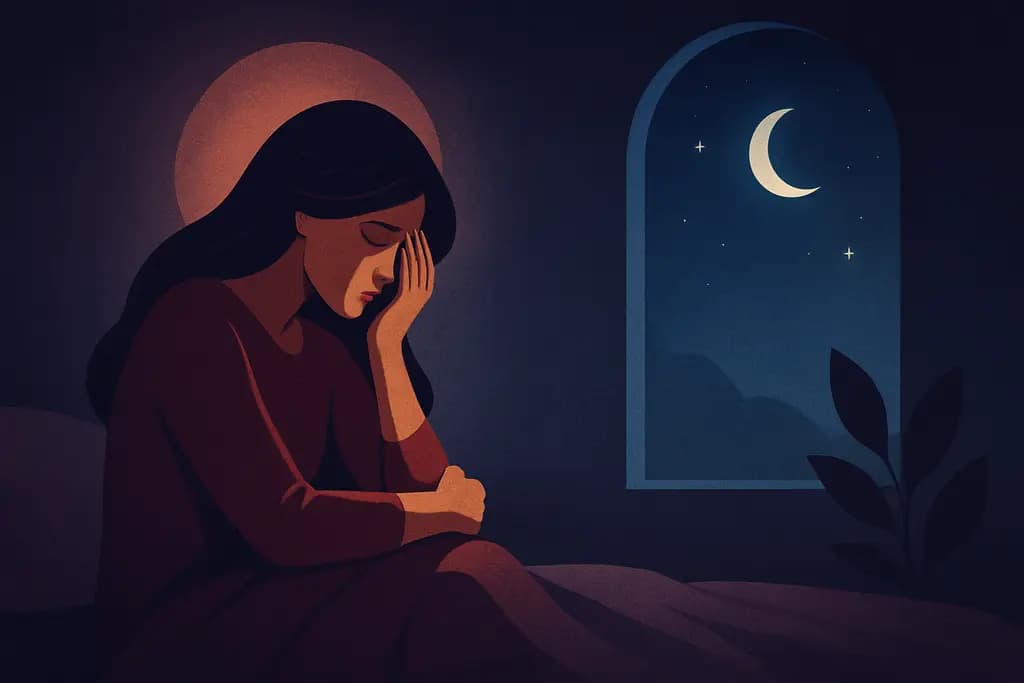
Dreaming about shame often points to moments when you feel exposed, judged, or morally conflicted. These dreams can surface after a real-life embarrassment or as a symbolic message about self-evaluation. The precise meaning depends on how ashamed you feel in the dream and the surrounding context.
General meaning of dreaming about Shame
Shame in dreams is a strong emotional symbol tied to self-worth, social standing, and inner moral standards. At its core, dreaming of shame usually reflects a sense that some part of you falls short of expectations—your own or those of others. These dreams can warn you of unresolved guilt, protect you by highlighting boundaries that were crossed, or push you toward change.
Common interpretations include:
- A wake-up call about self-judgment or perfectionism
- Fear of exposure, failure, or public humiliation
- Signals of unresolved past events or interpersonal conflicts
- Motivation to correct mistakes or restore integrity
Understanding which of these applies depends on details like who judged you in the dream, whether you tried to hide, and the intensity of the feeling.
Spiritual meaning of Shame in dreams
Spiritually, shame can represent the ego's contraction—the part of the self that feels separate, unworthy, or ashamed of aspects it doesn’t accept. Many spiritual traditions treat shame as an invitation to deeper honesty and compassion: recognizing where you feel unclean or unworthy can become the doorway to inner healing. In contemplative paths shame may be seen as a signal to examine attachments and false identities; in community-based traditions it can highlight social roles or breaches of communal values.
Across traditions, the common thread is transformation: shame points to inner material that wants conscious attention and compassionate integration rather than avoidance.
Psychological interpretation
Fear, stress or anxiety
When shame appears in dreams, it often mirrors acute anxiety about judgment or failure. The dream may replay situations where you felt scrutinized or amplify a general fear of not measuring up. Psychologically, this points to hypervigilance around performance and a need to soothe anxious inner critics.
Relationships and emotional bonds
Shame frequently surfaces in the context of close relationships—family, partners, or peers—where emotional expectations are highest. It can reveal fear of rejection, old relational wounds, or unspoken boundaries. In this way the dream guides you to examine how honest you are with others and whether certain ties trigger self-contempt.
Control, power or vulnerability
Dream-shame can also reflect dynamics of power and vulnerability: feeling controlled, humiliated, or powerless may translate into shame scenes. Alternatively, it can show resistance to vulnerability—avoiding openness because you worry it will lead to humiliation. The dream asks whether you can safely lower defenses and reclaim agency.
Positive meaning
- Opportunity for growth: shame can highlight areas where honest change would improve your life.
- Increased self-awareness: it helps identify hidden beliefs or patterns that limit you.
- Motivation to repair relationships: feeling shame may prompt sincere apologies and reconciliation.
- Strengthening integrity: acknowledging shame can lead to actions that align more closely with your values.
- Deeper empathy: experiencing shame may make you more compassionate toward others in similar situations.
Negative meaning and warnings
- May suggest chronic self-criticism that undermines confidence.
- Can indicate avoidance of responsibility or lingering guilt that needs addressing.
- May point to toxic relationships where you’re regularly shamed or belittled.
- Can indicate social anxiety or fear of public exposure that limits opportunities.
- May suggest suppressed trauma or childhood wounds resurfacing through symbolic scenes.
Common variations of dreams about Shame
- Feeling ashamed in public: Often highlights social anxiety or fear of losing face; pay attention to who’s watching and why it matters to you.
- Being naked or exposed: Classic shame dream signaling vulnerability, fear of being seen as inadequate, or hiding parts of yourself from others.
- Apologizing and being rejected: Suggests worry that making amends won’t fix relationships; may reveal low expectations about forgiveness.
- Reliving a past mistake: Indicates unresolved guilt that your psyche wants you to address or reframe.
- Criticized by a parent or authority figure: Points to internalized standards from childhood and how they shape present self-judgment.
- Failing at an important task: Highlights performance pressure and perfectionist tendencies tied to self-worth.
- Blushing or wanting to hide: A milder shame dream that can signal sensitivity to judgement and a need for self-compassion.
- Being shamed online or at work: Reflects modern fears about reputation, professional standing, and how small mistakes feel amplified.
What to do after such a dream
- Pause and journal: record the dream, focusing on feelings, people involved, and your reactions.
- Reflect on recent events: look for moments of embarrassment, conflict, or moral discomfort in waking life.
- Name the shame without judgment: practice describing it in neutral terms to reduce its intensity.
- Talk it over with a trusted friend or mentor: sharing can give perspective and reduce isolation.
- Make one small corrective step: if the dream points to a needed apology, boundary, or change, consider a modest, concrete action.
- Build self-compassion practices: breathing exercises, affirmations, or compassionate self-talk can soften harsh inner critics.
- Seek support if recurrent or distressing: if shame dreams persist and interfere with daily life, consider discussing them with a mental health professional or counselor for deeper work.