Dream About Seeing Your Reflection Younger or Older – Meaning
Category: Feelings
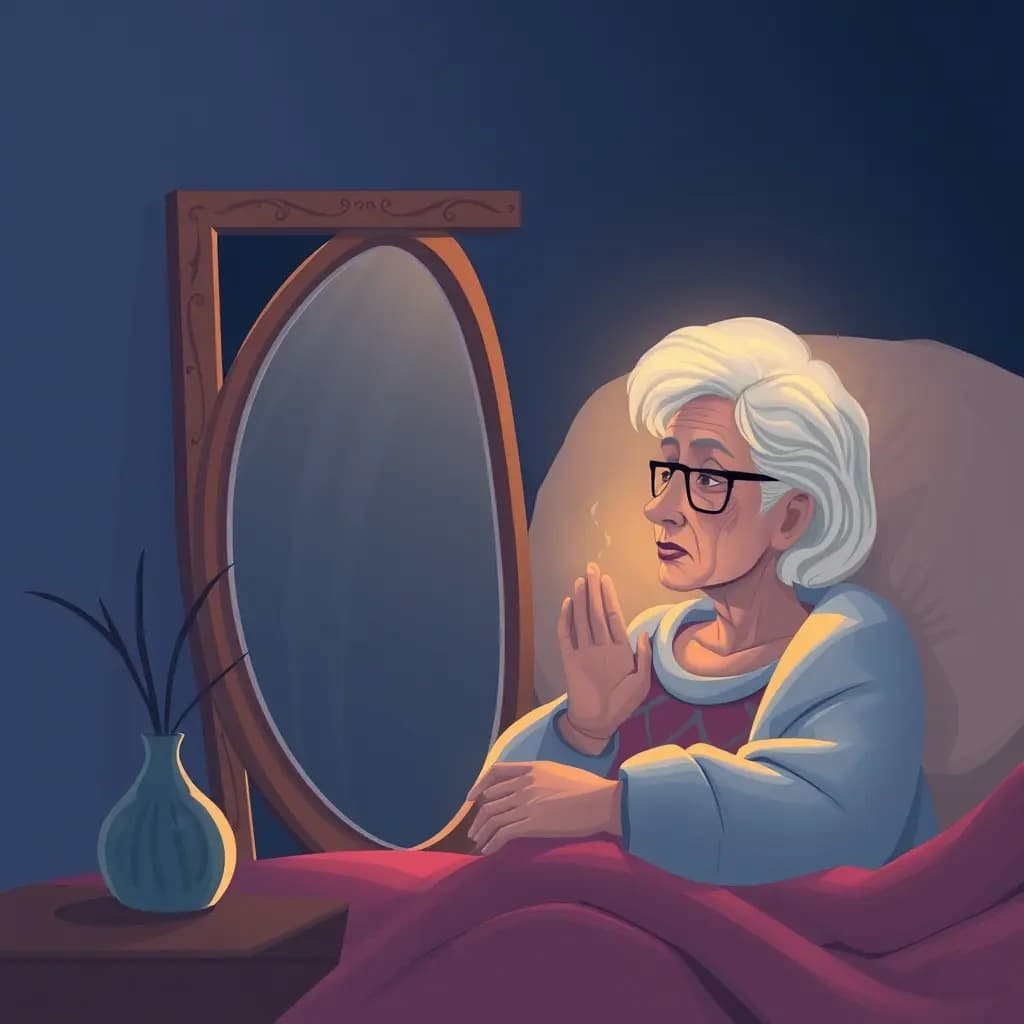
Dreaming that you see your reflection younger or older often points to changes in how you feel about yourself and your life stage. These dreams highlight contrasts between past, present and future self-image, and their meaning depends heavily on the feelings in the dream and the surrounding context.
General meaning of dreaming about Seeing Your Reflection Younger or Older
At its core, seeing a younger or older version of yourself in a reflection is a symbolic conversation between different parts of your identity. The younger self can represent nostalgia, unmet needs from earlier life, or a desire to reclaim vitality; the older self can symbolize wisdom, caution, mortality, or a sense of loss. How you react to that reflected age — comfort, shock, curiosity — shapes the interpretation.
Typical interpretations often include a mixture of emotional and practical themes:
- Reconciliation with the past or fear of aging.
- A call to integrate lessons from an earlier or later life stage.
- Changes in how you value yourself, your appearance, or your capabilities.
These dreams are rarely literal. They work through feelings about time, change, and identity rather than predicting actual lifespan or events.
Spiritual meaning of Seeing Your Reflection Younger or Older in dreams
Spiritually, seeing yourself at a different age can signal an energetic shift. Many traditions view mirrors as portals to inner truth; an altered reflection may indicate that your soul is processing transformation, healing, or karmic lessons related to time and self-acceptance. In some contemplative or shamanic frameworks, a younger reflection can represent a need to reclaim playfulness or innocence, while an older reflection may point to maturity to be embraced or guidance from an inner elder.
Across cultures the emphasis is on integration: bringing the wisdom of later years to soothe earlier wounds, or reintroducing youthful openness to balance rigidity.
Psychological interpretation
Fear, stress or anxiety
Seeing a much older reflection can surface anxieties about losing control, health, attractiveness, or relevance. It may appear during major life stressors (career shifts, aging parents, health scares) as your mind rehearses worst-case feelings to prepare you emotionally.
Relationships and emotional bonds
A younger reflection can be tied to unmet childhood needs, unresolved family dynamics, or nostalgia for a time when relationships felt simpler. Alternatively, an older reflection may point to feeling emotionally distant, needing support, or shifting roles (becoming a caregiver, partner, or mentor).
Control, power or vulnerability
Age in a reflection often symbolizes power dynamics: feeling younger can expose vulnerability or disempowerment, while feeling older might indicate authority, burnout, or resignation. The dream may highlight where you feel competent versus where you feel overwhelmed.
Positive meaning
- Renewal: Seeing a younger self can signal a chance to rediscover joy, creativity, or risk-taking.
- Wisdom integration: An older reflection may suggest you are ready to own lessons learned and act from experience.
- Healing: The dream can point to emotional repair — reconciling past hurts or accepting changes gracefully.
- Opportunity: It can encourage new beginnings that combine youthful energy with mature judgment.
Negative meaning and warnings
- May suggest avoidance of current responsibilities by longing for the past.
- Can indicate anxiety about loss, decline, or aging-related fears.
- May point to unresolved childhood trauma resurfacing when triggered.
- Can indicate stagnation if you keep idealizing a younger self instead of moving forward.
Common variations of dreams about Seeing Your Reflection Younger or Older
- Seeing a noticeably younger version of yourself in a mirror: Often linked to nostalgia, longing for simpler times, or a call to reconnect with forgotten talents or play.
- Seeing an older version of yourself staring back: Can indicate concerns about mortality, responsibility, or a new role that requires maturity and restraint.
- Reflection that ages or de-ages rapidly: May reflect anxiety about how quickly life is changing or feeling out of control over time-sensitive decisions.
- Seeing a childhood self in the reflection: Typically points to unresolved childhood emotions, unmet needs, or a desire to heal early wounds.
- Seeing an elderly but calm reflection: Often symbolizes inner wisdom, acceptance, or the emergence of steady guidance within you.
- Reflection showing someone older because of illness or injury: Can surface health anxieties or fears about losing independence, but does not predict illness — it reflects emotional concerns.
- Mirror showing your reflection at a significant age (wedding, parenthood age): May relate to milestones and how you feel about achieving or missing them.
What to do after such a dream
- Reflect on the feeling tone: Were you comforted, frightened, ashamed, curious? Your emotional reaction is the clearest clue.
- Journal specifics: Note the age, setting, and actions in the dream to spot recurring themes tied to relationships or life stages.
- Look at current life situations: Consider if you are facing transitions, caregiving roles, relationship shifts, or career changes that map to the dream.
- Talk it over: Share the dream with a trusted friend, partner, or therapist to gain perspective on patterns and next steps.
- Take symbolic action: If the dream nudges you toward healing or change, try small steps — reconnect with a hobby, set boundaries, or plan for self-care that honors both youthful needs and mature responsibilities.
These steps help the emotional message of the dream move from reflection into practical growth without assuming literal outcomes.