Dream About Seeing a younger version of yourself – Meaning
Category: People
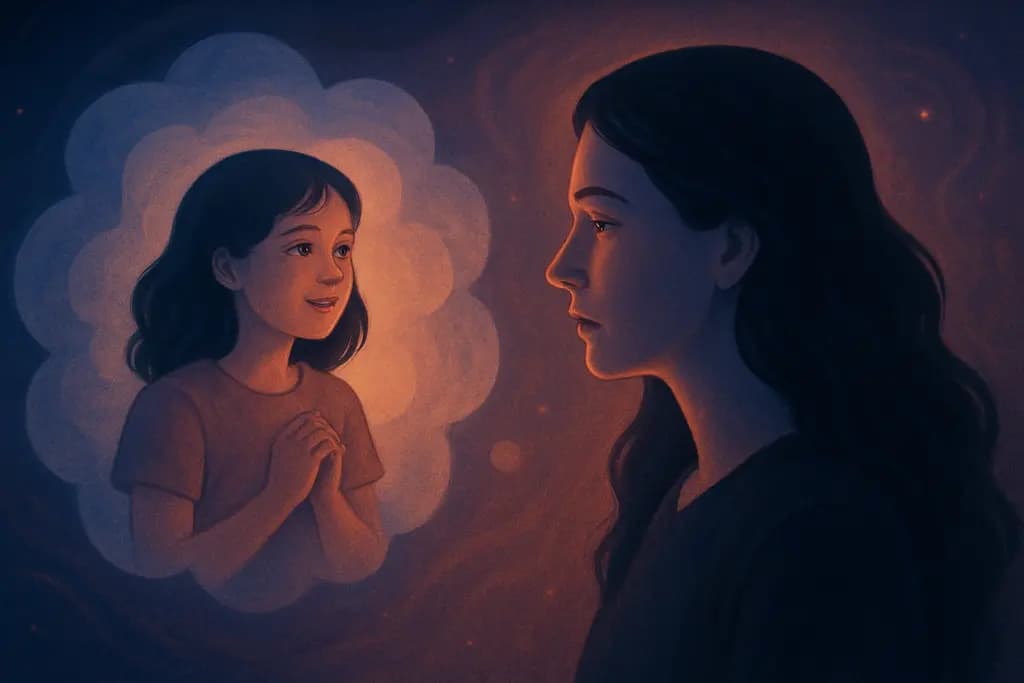
Dreaming about seeing a younger version of yourself typically points to inner reflection, memory, or a reconnection with the past. These dreams often bring up feelings of nostalgia, regret, hope, or curiosity. As with most dream symbols, the meaning depends heavily on the emotions you felt and the dream's context.
General meaning of dreaming about Seeing a younger version of yourself
At its core, seeing a younger version of yourself in a dream is a powerful symbol of the inner child, memory, and identity. It often reflects how you relate to earlier phases of life—what you miss, what you avoided, and what remains unresolved. The younger self can appear as a messenger, a mirror, or a wound that needs attention.
Typical interpretations emphasize reconnection, reassessment, and potential renewal. In some cases the image of a younger you highlights talents, courage, or playfulness that were suppressed; in others it points to unresolved trauma or patterns that began in youth.
- Reconnection with the inner child
- Nostalgia or longing for simpler times
- Unresolved emotional patterns or early wounds
- Reminder of forgotten strengths or creative impulses
- Desire for a second chance or to correct past mistakes
Spiritual meaning of Seeing a younger version of yourself in dreams
Spiritually, a younger self often represents soul memory, the part of you that holds early lessons and formative experiences. Many traditions talk about the inner child as an energetic center that stores both joy and pain; meeting that younger aspect can be a step toward energetic healing.
In Jungian and archetypal frameworks the encounter may signal a need for integration: bringing the vitality of youth into conscious life. Across cultures it can be read as a call to honor origins and to trace how early experiences shape current spiritual growth.
Psychological interpretation
Fear, stress or anxiety
Seeing a younger you during times of stress can reflect anxiety about repeating past mistakes or uncertainty about how to handle current pressures. The younger figure may embody vulnerability, fear of failure, or a memory of how you coped (or didn't) with earlier threats.
Relationships and emotional bonds
This dream can bring relationships into focus: how your family, caregivers, or early friendships shaped your attachment style. A younger self appearing alongside family members may highlight unresolved family dynamics, unmet needs, or patterns that continue to affect current relationships.
Control, power or vulnerability
The younger self often symbolizes a time when you felt less in control. Encountering that image can reveal feelings of powerlessness you still carry, or, conversely, remind you of a resilient resource you once had. It may surface questions about boundaries, autonomy, and how much control you claim now.
Positive meaning
- Reclaiming playfulness, creativity, and spontaneity
- Healing old wounds and integrating past experiences
- Renewed courage to take chances or explore new paths
- Rediscovering forgotten talents or passions
- Opportunity for forgiveness—of self or others
- A symbolic fresh start or second chance at an important decision
Negative meaning and warnings
- May suggest unresolved trauma or suppressed emotions that need attention
- Can indicate avoidance of growth by clinging to past roles or identities
- May point to lingering regret that undermines current opportunities
- Can indicate self-sabotaging patterns rooted in early experiences
- May suggest denial about how past hurts still influence present behavior
Common variations of dreams about Seeing a younger version of yourself
- Talking to a younger you: Often signals an attempt to offer comfort or get answers from past self; it can be an inner dialog about choices and values.
- Comforting your younger self: Usually a healing image, indicating readiness to nurture and resolve old pain or unmet needs.
- Arguing with your younger self: May point to internal conflict between who you were and who you want to be, or blame that has never been processed.
- Watching your younger self play happily: Suggests a need to reconnect with joy, creativity, or leisure that has been neglected.
- Seeing yourself as a teenager: Often highlights identity struggles, social anxieties, or formative beliefs formed during adolescence.
- Finding a baby version of you in a mirror or photo: Emphasizes innocence and dependency, and may call attention to current needs for care and gentleness.
- Younger self crying or scared: Can indicate unresolved trauma or fears that still affect emotional responses now.
- Younger self making a big decision: May reflect a crossroads where past choices still influence your current path or a chance to rewrite old narratives.
What to do after such a dream
- Reflect on the dominant emotions: note whether you felt comforted, anxious, sad, or uplifted; this guides interpretation.
- Journal specifics: details about the setting, the younger self's age, and interactions often reveal which life area is involved.
- Compare to current life: look for links to relationships, career choices, creative projects, or recurring fears.
- Practice inner child work: simple steps like writing a letter to your younger self, doing a guided meditation, or imagining offering comfort can be restorative.
- Talk it over: share the dream with a trusted friend, spiritual advisor, or therapist if you want help processing emotions or patterns.
- Set small integration steps: reclaim a forgotten hobby, set boundaries that your younger self needed, or create a ritual that honors growth.
These steps are practical ways to turn the insight from the dream into everyday change, helping you integrate the younger self with the adult you.