Dream About Seeing a wolf – Meaning
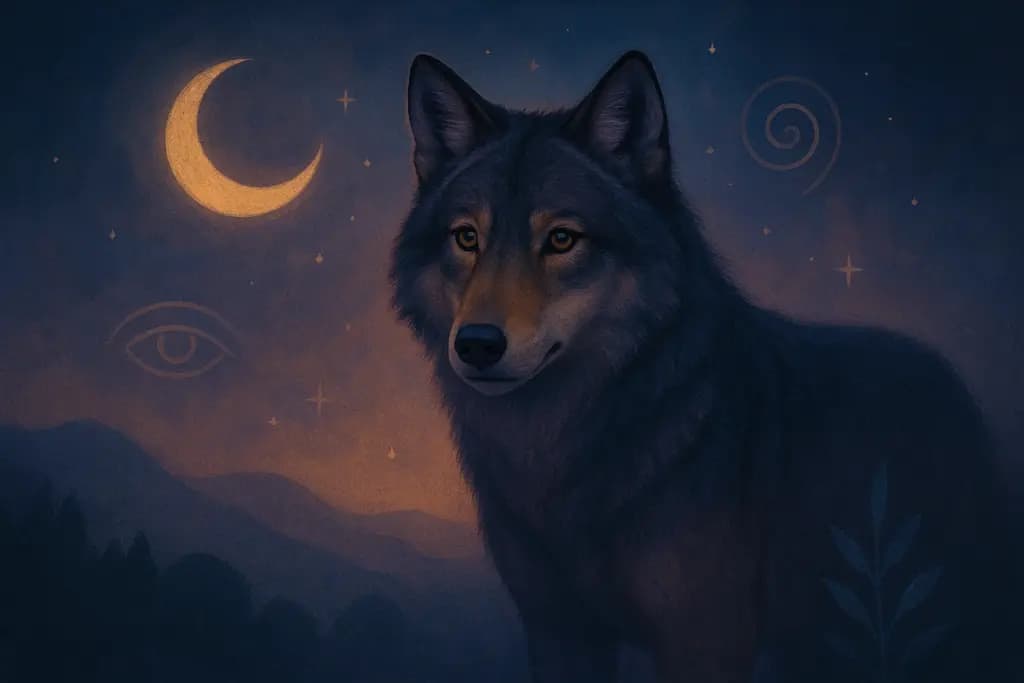
Category: Animals
Dreaming of seeing a wolf often feels vivid and charged — a powerful animal that stirs instinct, caution and curiosity. Such dreams can point to inner strengths, social dynamics, or fears; the exact meaning depends a lot on how you felt during the dream and the surrounding context.
General meaning of dreaming about Seeing a wolf
Wolves in dreams typically symbolize instinctual forces, social bonds and the tension between independence and belonging. They can represent a part of yourself that is wild, protective, strategic or hungry for change. Because wolves live in social groups, they also often point to issues around community, loyalty and leadership.
Common interpretations include elements of guidance and warning; a wolf can be a teacher or a threat depending on behavior in the dream and your emotions. Consider whether the wolf felt friendly, neutral or hostile — that emotional tone steers the likely meaning.
- Instinct and intuition: calling attention to gut feelings and survival instincts.
- Social connections: issues of trust, loyalty, pack dynamics or isolation.
- Power and independence: inner strength, leadership, or the need to assert boundaries.
- Danger or warning: potential threats, betrayal, or unresolved anxieties.
Spiritual meaning of Seeing a wolf in dreams
Spiritually, wolves are commonly seen as guides or messengers, bridging instinct and deeper wisdom. In many shamanic and indigenous traditions the wolf appears as a totem of intuition, endurance and sacred knowledge — an animal that teaches how to balance self-reliance with cooperation.
Across mystical systems the wolf can also symbolize transformation: a call to listen inwardly, trust your instincts, and move through fear toward greater authenticity. The specific spiritual nuance will depend on your personal beliefs and the cultural lens you bring to the dream.
Psychological interpretation
Fear, stress or anxiety
If the wolf in your dream provoked fear, it may mirror waking anxieties — a looming problem, a stressful relationship, or an internal pressure you feel unable to control. Dreams amplify emotional states, so a menacing wolf can point to acute stress or a sense of being hunted by responsibilities.
Relationships and emotional bonds
Because wolves are pack animals, they often represent family dynamics or social groups. Seeing a wolf can highlight loyalty, codependence, or conflict within a close circle. A friendly wolf might suggest trust and support; an aggressive wolf can indicate betrayal, jealousy or group tension.
Control, power or vulnerability
Wolves can symbolize power dynamics: feeling empowered and assertive, or conversely exposed and vulnerable. A dominant wolf may reflect an inner drive to take charge, while a submissive or wounded wolf can echo feelings of powerlessness or the need for self-protection.
Positive meaning
- Personal strength and resilience: a reminder you have inner resources to face challenges.
- Leadership and confidence: encouragement to step into a guiding role in work or relationships.
- Deep intuition and insight: trust your instincts and make decisions based on inner knowing.
- Healing and transformation: a sign that you are shedding old patterns and growing.
- Strengthened social bonds: renewed loyalty or a supportive community arriving.
Negative meaning and warnings
- May suggest distrust or betrayal: conflicts within a group or hidden agendas.
- Can indicate suppressed aggression: unexpressed anger that needs addressing.
- May point to isolation or loneliness: feeling cut off from support networks.
- Can indicate imminent stress or a looming decision that feels threatening.
- May suggest you are ignoring instincts; the wolf could be warning you to pay attention.
Common variations of dreams about Seeing a wolf
- Wolf pack: Seeing a group of wolves often relates to social dynamics — teamwork, pressure to conform, or your place within a group.
- Lone wolf: A solitary wolf highlights independence, self-reliance, or loneliness — it can be empowering or isolating depending on tone.
- Wolf attacking or biting: This variation may indicate perceived threats, conflict, or feelings of being wounded by others.
- Howling wolf: A howling wolf can symbolize a call for connection, a cry for help, or an announcement of change.
- Wolf pup / wolf cub: Seeing a young wolf can suggest new beginnings, vulnerability that needs care, or emerging parts of yourself.
- Tamed or pet wolf: A calm, domesticated wolf may reflect integration of wild instincts — you’re learning to manage or trust your power.
- Wounded or sick wolf: This can point to neglected emotional needs, unresolved trauma, or a part of you that requires attention and healing.
What to do after such a dream
- Reflect on the emotions: note how you felt during the dream and any images that stood out.
- Journal details: write down the scene, the wolf's behavior, and people present to spot patterns.
- Examine current relationships: consider loyalty, boundaries and whether any connections need repair.
- Check decisions and risks: ask whether the dream warns of danger or encourages bold action.
- Practice grounding: use breathing, nature time or calming routines if the dream left you unsettled.
- Seek symbolic help: discuss the dream with a trusted friend, counselor, or spiritual guide if it feels significant.