Dream About seeing a deceased loved one in my dream – Meaning
Category: Family & Children
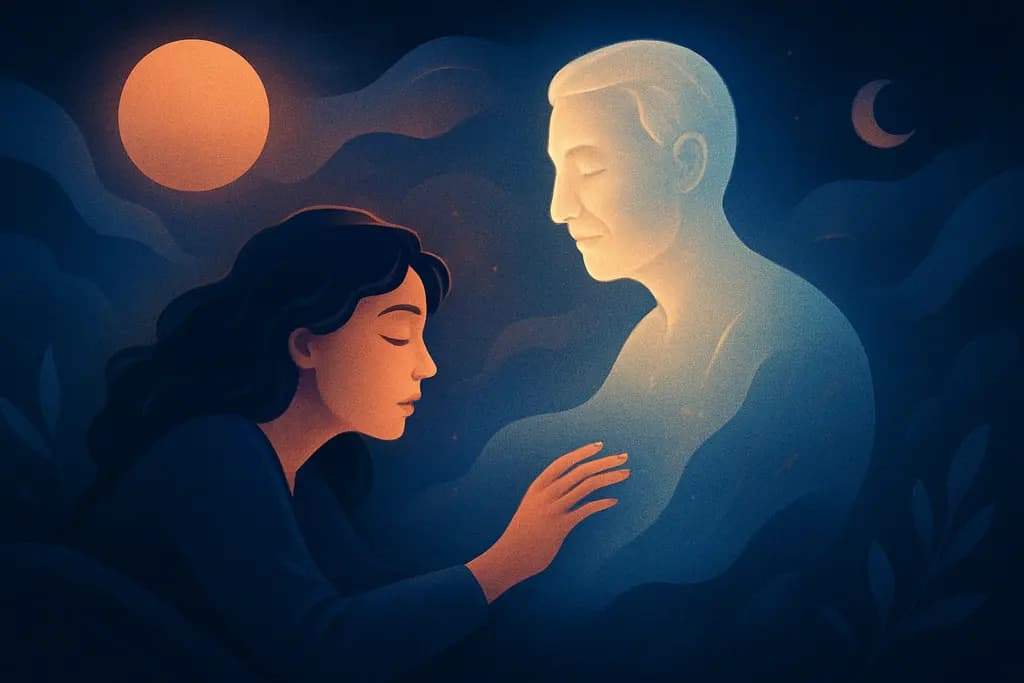
Dreaming of seeing a deceased loved one can feel startling, comforting, or confusing. Such dreams often reflect the heart’s attempt to process loss, unfinished feelings, or ongoing bonds; the precise meaning depends on your emotional tone and the dream’s context. Paying attention to how you felt in the dream — relief, fear, joy, guilt — helps clarify the message.
General meaning of dreaming about seeing a deceased loved one in my dream
At its core, seeing a deceased loved one in a dream is a symbolic meeting between present awareness and past attachment. These dreams commonly surface when grief is still settling, when major life transitions occur, or when an unresolved conversation or emotion remains.
Typical interpretations focus on continuity rather than literal return. The deceased person often represents a living part of your inner life: memories, values, warnings, or comfort. Context and emotion shift the meaning from healing to warning to portrait of your inner world.
- Reunion, closure, or ongoing love: the dream may reflect longing and a need for emotional connection.
- Guidance or reassurance: sometimes the dream feels like support during a difficult time.
- Unresolved issues or guilt: the loved one may symbolize things you haven’t processed.
- Inner change: the appearance can mark transformation, acceptance, or a prompt to act in life.
Spiritual meaning of seeing a deceased loved one in my dream in dreams
Spiritually, many traditions treat such dreams as visits, signs, or messages. In broad, non-dogmatic terms, they can indicate that the relationship’s energy continues in some form, offering comfort, closure, or guidance.
Some people interpret vivid, benevolent encounters as evidence of ongoing presence or protection, while others see it as the subconscious creating a symbolic messenger. Across cultures—whether in ancestral honoring, shamanic practices, or quiet prayer—these dreams are often given weight as meaningful, but interpretation remains personal.
Psychological interpretation
Fear, stress or anxiety
If the dream evokes fear or panic, it can reflect current stressors projecting onto the deceased figure. The loved one may be a container for anxiety about loss of control, mortality, or an upcoming change.
Relationships and emotional bonds
Dreams of reunion frequently mirror how you relate to others now: longing for connection, unresolved conflict, or a need to forgive. The deceased person can stand in for ongoing attachments that shape your present relationships.
Control, power or vulnerability
If the dream emphasizes power dynamics—feeling small, controlled, or overwhelmed—it may echo feelings of vulnerability in waking life. The loved one’s behavior in the dream can mirror internalized dynamics you are still negotiating.
Positive meaning
- Healing and acceptance: the dream may signal emotional processing and movement toward peace.
- Reassurance and comfort: feeling safe in the dream can indicate support during transitions.
- Guidance and clarity: the loved one’s words or actions might highlight priorities or values to follow.
- Renewed connection: the dream can rekindle positive memories and motivate nurturing current relationships.
Negative meaning and warnings
- May suggest unresolved grief or suppressed emotions that need attention.
- Can indicate avoidance: the dream might point to areas you’re not addressing in life or relationships.
- May reflect guilt, regret, or unresolved conflict that could influence current choices.
- Can signal anxiety about loss or mortality, especially if recurring or distressing.
Common variations of dreams about seeing a deceased loved one in my dream
- white reuniting with a deceased loved one: White often symbolizes peace or spiritual clarity; this dream may feel consoling and suggest acceptance or spiritual reassurance.
- black reuniting with a deceased loved one: Black can indicate mourning, mystery, or strong unresolved emotions; this reunion may point to grief that still needs processing.
- reuniting with a deceased loved one hugging me: A hug typically signals comfort, healing, or permission to let go; it often represents emotional closure or ongoing love.
- reuniting with a deceased loved one chasing me: Being chased usually reflects avoidance or guilt; you may be running from unresolved feelings or a decision you need to face.
- reuniting with a deceased loved one in my childhood house: The childhood home ties the dream to early patterns, family roles, or formative memories that are resurfacing now.
- reuniting with a deceased loved one in bed: A bed scene can highlight intimacy, vulnerability, or personal boundary issues—perhaps needing to reconcile private emotions.
- many deceased loved ones reuniting with me: Multiple figures suggest collective grief, family legacy, or a sense of being overwhelmed by past expectations or memories.
- dream about reuniting with a deceased loved one: A general reunion often points to ongoing attachment, a desire for connection, or an internal dialogue with memory.
- reuniting with a deceased child dream meaning: Seeing a deceased child is intensely emotional; it can represent grief, regret, a protective impulse, or a need to tend to nurturing parts of yourself.
- reuniting with a deceased loved one dream meaning: Broadly, this variation reinforces themes of closure, memory, guidance, or unresolved emotional business depending on tone and outcome.
What to do after such a dream
- Reflect on emotions: note how you felt during and after the dream—comforted, frightened, guilty, or relieved.
- Journal details: record setting, actions, conversations, and symbols; patterns often appear over time.
- Look at current life situation: consider recent losses, transitions, relationships, or decisions that might connect to the dream.
- Check unresolved matters: ask whether there are conversations, apologies, or personal changes you’ve avoided.
- Use the dream productively: allow it to motivate healing practices—talking with loved ones, creative expression, or rituals that honor memory.
- Seek support: if the dream triggers persistent distress, consider sharing it with a trusted friend, spiritual advisor, or counselor for perspective (not medical advice).