Dream About Seeing a dead pet – Meaning
Category: Animals
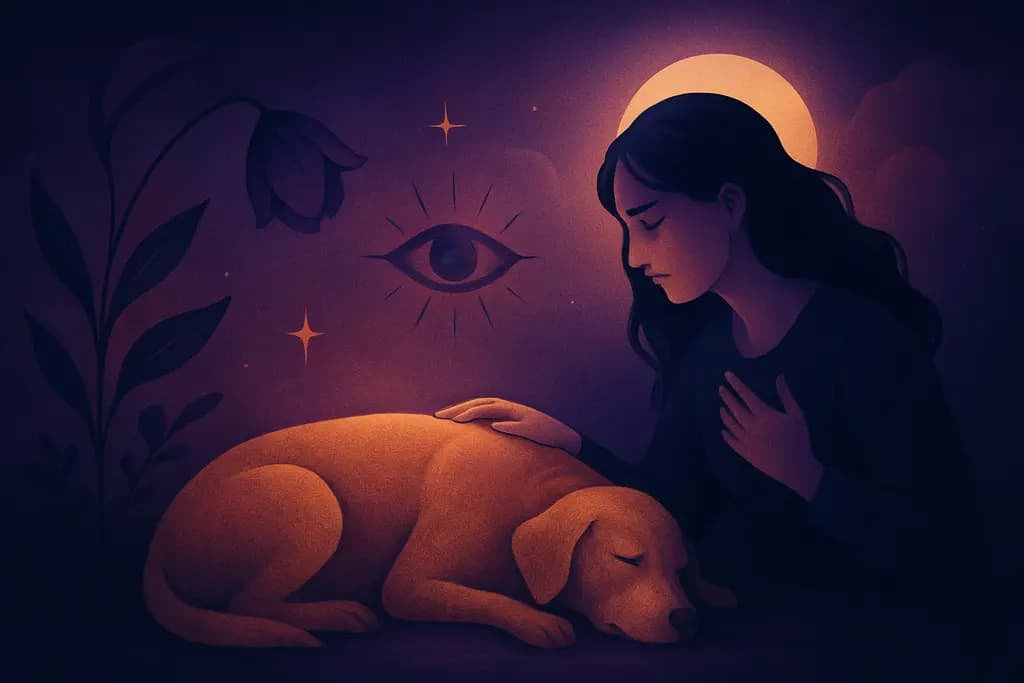
Dreaming about seeing a dead pet can feel shockingly personal and emotional. Such a dream often points to endings, unresolved feelings, or a need for closure tied to a close bond. The exact meaning depends heavily on how you felt during the dream and the surrounding context — your reactions, the pet's condition, and where the scene took place.
General meaning of dreaming about Seeing a dead pet
At its core, a dream of a dead pet usually symbolizes endings, loss, or a change in a relationship that once felt loyal and comforting. Pets in dreams often represent unconditional love, companionship, parts of the self that are playful or dependent, and routines that bring comfort. When the pet appears dead, those comforting elements may be undergoing transformation or need to be acknowledged and grieved.
Typical interpretations emphasize emotional transition rather than literal death. Common themes include letting go of a habit, acknowledging grief, or realizing that a dependent dynamic is over. How you respond in the dream — calm acceptance, denial, horror, or sadness — offers key clues to the waking meaning.
- Endings and closure: facing the end of an emotional chapter or relationship
- Grief and processing: unresolved mourning or suppressed sorrow
- Change in identity or routine: a shift away from a comforting role or behavior
- Warning of neglect: a reminder to care for relationships or aspects of yourself
Spiritual meaning of Seeing a dead pet in dreams
Spiritually, a dead pet in a dream can represent a soul-level transition, an invitation to release attachments, or an energetic clearing. Some traditions view animals as spirit companions; a dead pet might signal the end of a particular lesson a spirit guide offered, or that a protective influence has shifted form.
Different cultures frame this symbol in varied ways: in shamanic views an animal death may mark a rite of passage, while in more contemplative practices it could symbolize surrender and acceptance. Universally, the image tends to point toward transformation and the need to honor what was lost as part of inner growth.
Psychological interpretation
Fear, stress or anxiety
Dreaming of a dead pet can surface underlying fears — about abandonment, failure, or losing something that made you feel safe. High stress or ongoing anxiety often turns familiar sources of comfort into vulnerable images in dreams, revealing worries about security and stability.
Relationships and emotional bonds
Because pets often stand for close attachments, a dead pet can reflect shifts in friendships, family ties, or romantic connections. It may indicate that a bond is cooling, that a relationship needs honest conversation, or that you are struggling to let someone go.
Control, power or vulnerability
A dead pet can also highlight feelings of helplessness or loss of control. If you tended the pet in waking life, the dream might point to fear that your efforts aren’t enough or a recognition of limits. Conversely, it can be an invitation to accept vulnerability and ask for support.
Positive meaning
- Opportunity for healing: a chance to process old grief and move forward
- Personal growth: letting go of patterns that no longer serve you
- Greater clarity: recognizing which relationships are healthy and which are not
- Renewal: making space for new companionships, routines, or creative energy
- Emotional honesty: an opening to be more authentic about your needs
Negative meaning and warnings
- May suggest unresolved grief that needs attention
- Can indicate neglect in relationships or self-care, signaling a need to act
- May point to avoidance of difficult conversations that will worsen separation
- Can indicate a period of loneliness or emotional depletion if left unaddressed
Common variations of dreams about Seeing a dead pet
- Seeing your own pet dead: Often connects directly to your waking relationship with that animal or what it represented — loyalty, routine, or comfort. It can force confrontation with personal loss or life changes.
- Finding a dead stray pet: May reflect concerns about neglected parts of yourself or guilt about ignoring someone in your life who needs help. It can also signal empathy burnout.
- Burying a dead pet: Suggests active grieving and an attempt at closure. This variation often means you are ready to honor the ending and move toward healing.
- Dead pet coming back to life: Points to hope for reconciliation, a return of vitality, or a shift in perspective that revives a stalled connection.
- Dead pet in the house: Highlights that the issue feels very close to your private life — something within your emotional home needs attention.
- Pet dead but peaceful: If the scene is calm, it can represent acceptance and a gentle transition rather than trauma.
- Pet dead and decayed: May indicate long-ignored grief or unresolved issues that have worsened over time and need prompt care.
What to do after such a dream
- Reflect on your emotions: note how you felt in the dream and upon waking; feelings are the most precise clue.
- Journal details: write the scene, location, and any people present to spot waking-life parallels.
- Look at current relationships and routines: consider what or who is changing and whether you need to communicate or set boundaries.
- Allow yourself to grieve: rituals, talking with friends, or creating a small memorial can help process loss.
- Consider practical steps: if the dream points to neglect, identify one small action to restore balance in that area.
Take the dream as an invitation to listen to what your heart and body are telling you, rather than a literal prediction. Small, compassionate steps after the dream often bring clearer understanding and relief.