Dream About Salt poured on food – Meaning
Category: Food & Drink
A common version of this dream
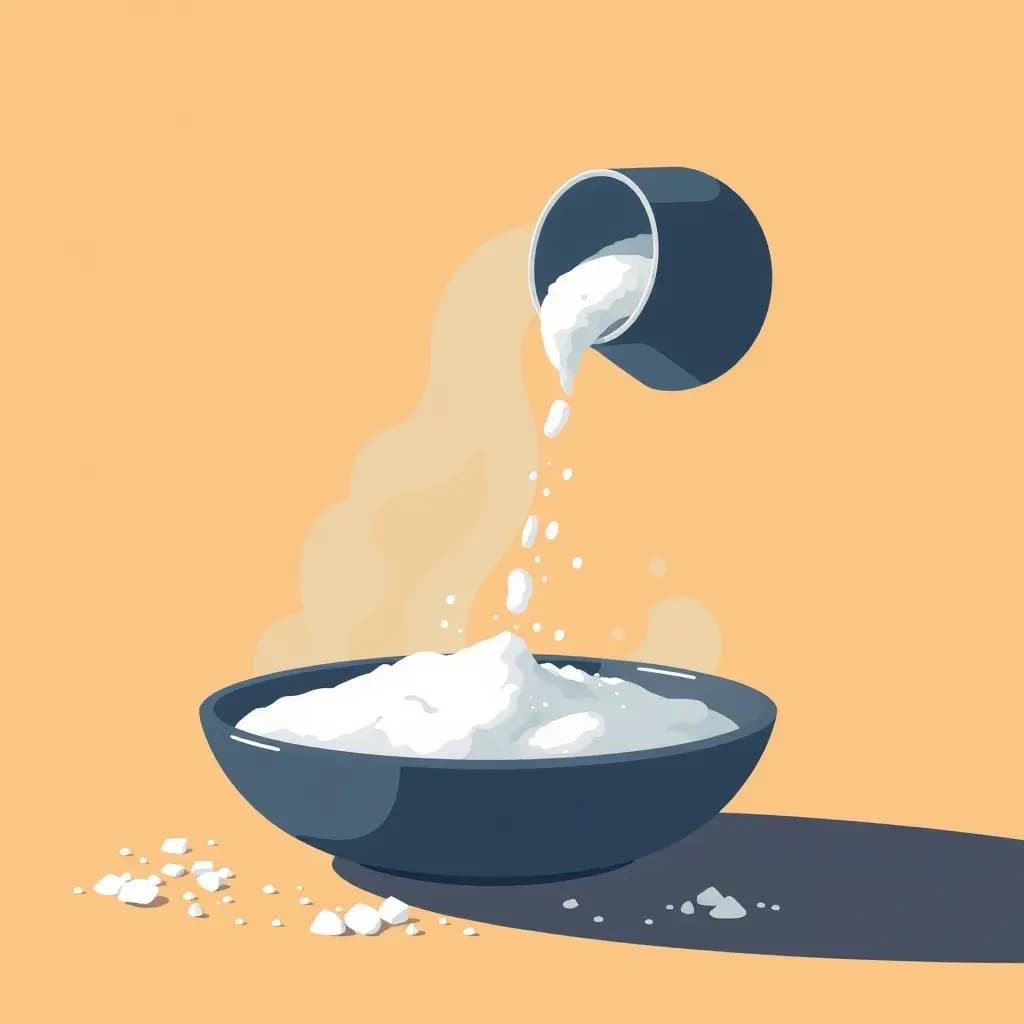
You are in a cramped, late-night kitchen under a single yellow bulb, standing over a bowl of steaming rice while rain patters on the window. Your hand tips the shaker and salt crystals fall like pale snow, some landing perfectly, others scattering onto the table cloth. You feel a small, precise compulsion — either care that the dish be right or an annoyed impulse to ruin it. There is the metallic clink of glass, a faint scent of garlic, and a tightness behind your throat as if this simple act matters more than it should.
How this dream can be interpreted
Preservation and protection. Salt has a long association with preserving and keeping things from decay. If you pour salt carefully while watching the food, the dream often reflects a desire to maintain or safeguard something — a relationship, reputation, or creative work. In real life this might line up with making small, cautious choices to prevent change: double-checking emails, holding back honest feedback, or doing extra chores to keep peace. The dream can signal respect for what you don’t want to lose.
Bitterness and resentment. If the salting feels spiteful — too much salt, an angry toss — it can reflect simmering resentment. Pouring becomes a petty punishment, a way to make a small but unmistakable statement. This interpretation commonly surfaces during ongoing irritations: an unpaid debt, an unresolved argument, or feeling overshadowed at home or work. The salt marks the food the way a sour word marks a conversation: small, visible, and difficult to fully remove.
Attention to detail and control. When you measure each grain or hover before pouring, the dream often points to perfectionism or control. Salt stands in for the tiny adjustments you make to keep outcomes within your expectations: revising a report for the third time, micro-managing a project, or editing a social post. This can be adaptive — improving quality — or it can show anxiety about letting others lead. The emotional tone (relief vs. tension) helps decide which it is.
Ritual, etiquette, and social signaling. Salt also lives in rituals: anointing with salt, the custom of offering salt to guests, or throwing salt as protection in some cultures. If the scene includes visitors, a table setting, or strict manners, the dream may be about social rules and belonging. You might be negotiating how to behave, whether to conform, or which hospitality rules matter to you. Sometimes the action is about guilt or restitution — making amends in a small, visible way.
What this dream is rarely about
This dream is rarely a literal prediction that someone will physically salt your food or that an event is fated to occur. It does not usually function as foretelling. Instead, it commonly points to attitudes — protection, irritation, or overcorrection — rather than forecasting a specific outcome. Emotion often sits between the action and the meaning, so the dream is more about current feelings than a future fact.
Unusual details people report
People report odd specific imagery: a salted dish set in a church hall, the shaker stamped with an old family name, a crowd of silent diners, a doorbell that never rings, or the taste of salt on your own lips. Some feel a sudden itch in the fingers or a cold wind through an open car window while they pour.
Spiritual meaning
Spiritually, salt is widely used as a symbol of purification, covenant, and protection. In dreams it may suggest a desire to cleanse a relationship, set a boundary, or consecrate an intention. Interpreting this symbol should remain tentative: some traditions read salt as a sacred safeguard, others view it as an appetite or test. If the dream felt solemn or ritualized, consider whether you are seeking renewal, promise-keeping, or protection in a life area that feels fragile.
Psychological perspective
From a psychological angle, pouring salt on food can be a metaphor the mind uses to process details and consequences. The act externalizes internal debates: preserve or change, soften or sharpen, comply or protest. Habitual gestures in the dream often trace back to real-life routines, recent conversations, or sensory memories (smells, textures). Notice whether the dream leaves you relieved, embarrassed, or annoyed on waking — that affect points to the problem the mind is rehearsing, not a clinical diagnosis.
Questions to reflect on
- Who or what in my life am I trying to preserve, and what small actions am I taking to protect it?
- When did I last add something minor (a comment, a correction, a gesture) that changed how others reacted?
- Did the dream feel like careful care, spiteful punishment, or mere habit — and which real situation matches that feeling?
Common questions
What should I do after this dream?
After this dream, note the strongest emotion you remember and write one recent situation where a small choice felt decisive; that will point you to what to address first.
Is this about money?
Not usually. While salt relates to value and preservation, it does not commonly symbolize financial gain or loss unless your life context links it directly to money.
Why does this dream repeat?
Repetition often means your mind is rehearsing a recurring concern — a pattern of behavior, a relationship tension, or a decision you keep revisiting — not a literal future event.
Related dream meanings
If this dream keeps returning, pages about Sharing dessert with stranger, Fruit tree in bedroom, and Bitter coffee you can't swallow can reveal the related patterns underneath it. They often overlap around insecurity, transition, or stress in everyday life. You may also want to compare it with Poisoned meal at table if the same mood or conflict keeps showing up.