Dream About Room with missing furniture – Meaning
Category: Lost & Found
A common version of this dream
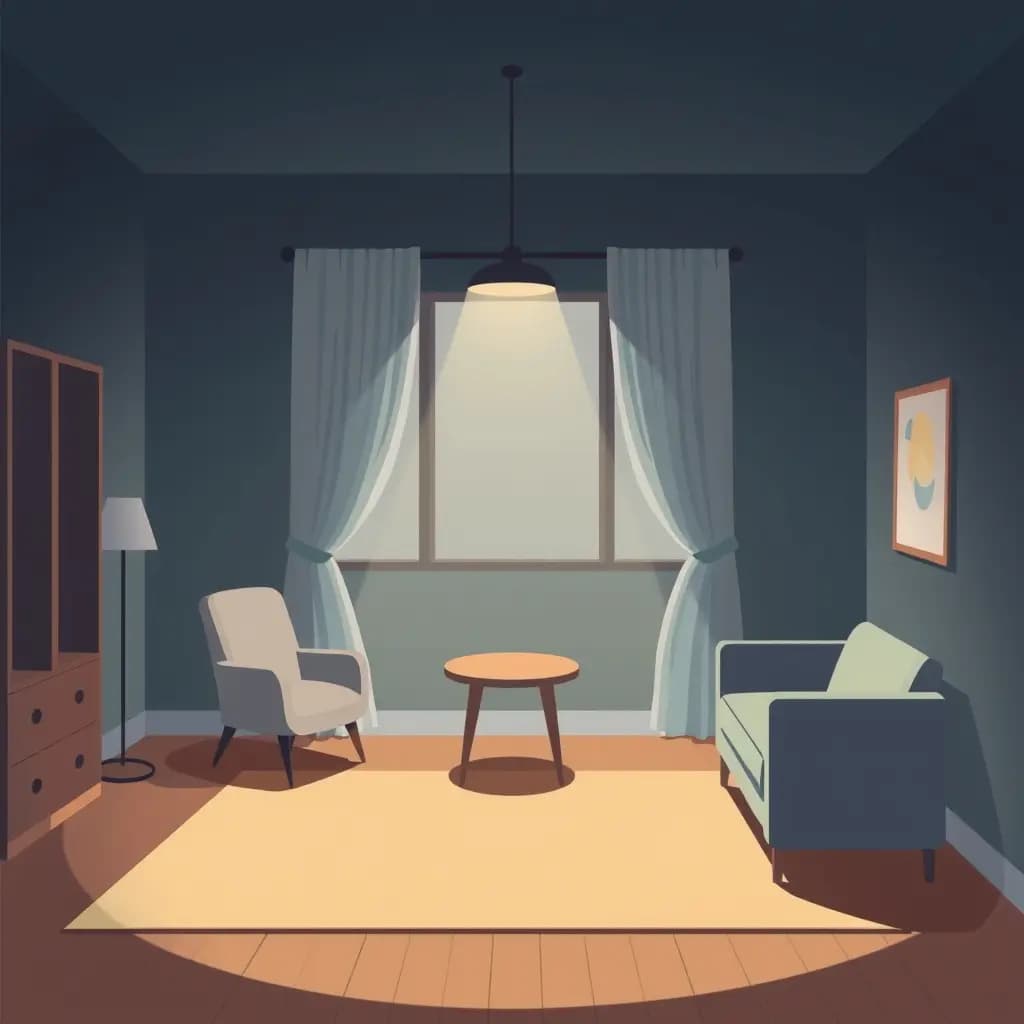
You open a door expecting the couch and lamp you left yesterday, but the room is almost bare: a single rug, a tilted lampshade, sunlight sliding across exposed hardwood where a bed used to be. Your footsteps echo, and a small, sharp panic rises—there is nowhere to sit. You run your hand along the cold windowsill and feel oddly exposed, as if you’ve misplaced an important part of your routine or identity.
Unusual details people report
Some people report a loose floorboard where a chair once stood, an open closet door with only a single coat, distant traffic through closed windows, the soft tick of a clock, a draft that raises gooseflesh, or the hollow sound when you call someone’s name.
Main interpretation
In real life, a room with missing furniture commonly reflects something absent in your daily life: a role that’s changed, a safe place that feels gone, or a habit you can’t rely on. The dream points to a sense of instability—no place to rest or belong—and to the opportunity to notice what needs re‑placement or careful letting go. Emotionally, it often maps onto loss, exposure, or the quiet tension of pending change.
Key interpretations
- Absence of role or routine. A missing chair, table, or bed can stand in for a job, daily routine, or caretaking role that’s been removed or altered. You may be noticing a gap where responsibilities or familiar tasks used to anchor you. The emptiness signals practical adjustments are needed: identify what task or role has shifted and what smaller steps could refill that space.
- Exposure and vulnerability. When a room has nowhere to sit or hide, it often expresses social or emotional exposure. Dreamers report feeling watched, embarrassed, or unprotected—like showing up without the costume or tools they usually use. This angle points to boundary concerns, shame, or the need for a safer place to process feelings rather than a literal loss of furniture.
- Potential and transition. An emptied room can also suggest cleared space—a pause before a decision, renovation, or new life chapter. The gap may feel unsettling and yet offer possibility: rearrangement, new priorities, or creative choices. This interpretation emphasizes ambivalence; the emptiness both unnerves and creates a blank canvas for what you might invite into your life next.
Psychological perspective
From a modern, neutral psychological view, empty rooms often mirror internal changes: shifting identity, disrupted routines, or unresolved grief. The dream activates basic threat responses—loss of place equals loss of safety—so anxiety feels natural. It can also reveal avoidance: things you no longer allow into your day or feelings you’ve sidelined. Not a diagnosis, the image is a useful prompt to notice behaviors, memory traces, and specific relationships that have altered how you occupy life.
What this dream is not literally saying
This dream rarely functions as a literal prediction about specific possessions being stolen or a concrete future event. It is not usually a supernatural warning. Instead, the image is symbolic—about function or feeling—so avoid treating the scene as a direct forecast of real‑world theft or exact outcomes.
Why recurring versions matter
Recurring dreams of missing furniture deserve attention when they become frequent, emotionally intense, or coincide with life changes—job loss, moving, bereavement, or the end of a relationship. They often surface during transitions as your mind tests how you’ll function without former anchors. If the dream leaves you unusually unsettled or impacts daytime functioning, it’s a signal to inventory what’s missing and take small, concrete steps to restore stability or create new supports.
Common questions
Is this dream a warning?
Is this dream a warning? Unlikely as a literal warning. It more often signals internal alarm—your mind highlighting instability, vulnerability, or lack of support—rather than predicting a specific external danger.
Why do I feel fear in this dream?
Why do I feel fear in this dream? Fear comes from perceived loss of safety or belonging: no place to sit or rest triggers primitive threat responses and social anxieties about exposure or helplessness.
What should I do after this dream?
What should I do after this dream? Note the feeling and the missing element, journal specifics, and take one practical step—restore a routine, reach out to a friend, or make a plan to address the gap you sensed.
Is this about relationships?
Is this about relationships? It can be. The empty space may point to relational distance, missing support, or changing roles in close relationships, but it can also relate to work, habits, or self‑identity rather than interpersonal issues.
Dream meanings connected to this one
Dreams about room with missing furniture are often connected to Phone buried under couch, Backpack left on train, and Lost pet roaming city. Looking at those nearby themes can help you compare control, fear, pressure, or change across similar dream scenes. You may also want to compare it with Following trail of dropped coins if the same mood or conflict keeps showing up.