Dream About reuniting with a deceased loved one in the house – Meaning
Category: Family & Children
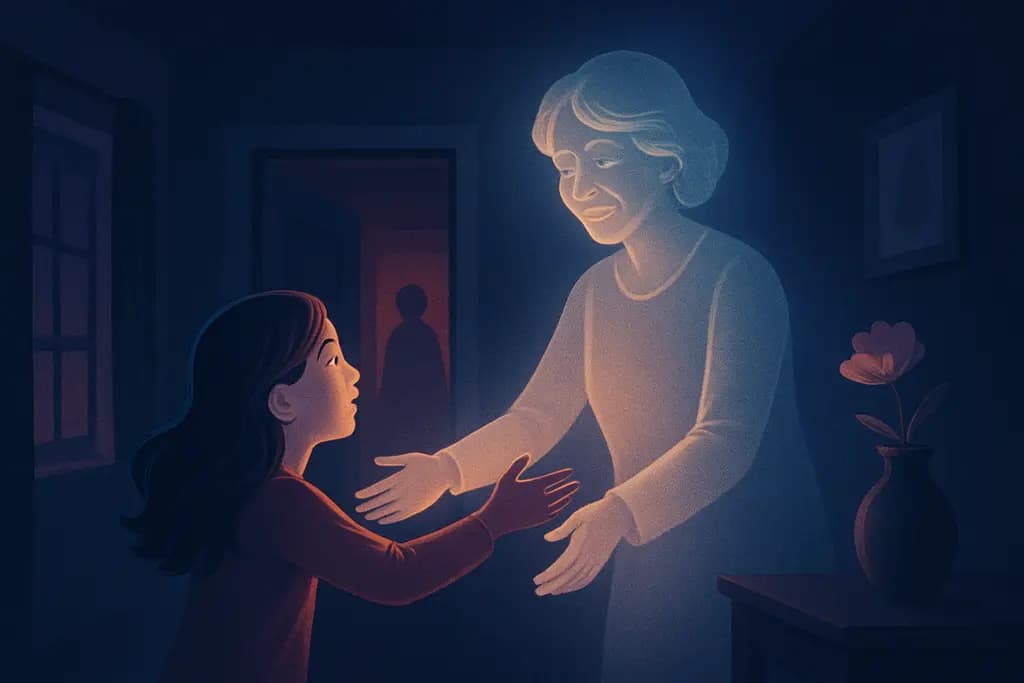
Dreaming about reuniting with a deceased loved one in the house often feels intensely personal and emotionally charged. Such dreams can signal longing, unresolved feelings, or a need for comfort from a familiar place. The precise meaning depends heavily on how you felt in the dream and the context of the reunion.
General meaning of dreaming about reuniting with a deceased loved one in the house
When a deceased loved one appears in your home, the dream often uses the house as a symbol of inner life, family ties, and personal history. Reuniting inside a domestic space can emphasize continuity—how the relationship still lives in your memory—and the safety or limitations of your current emotional environment.
Common interpretations point to memory, unresolved emotions, and processing grief. The house setting narrows the focus to family dynamics, childhood patterns, or private aspects of your identity that the deceased represented.
- Longing and remembrance: a wish to reconnect or to revisit shared moments.
- Unresolved issues: conversations or apologies left unsaid may resurface in symbolic form.
- Comfort and closure: the dream may provide emotional support or suggest a need for acceptance.
- Psychological integration: the visit can signal that you are working through loss and incorporating the experience into your life.
Spiritual meaning of reuniting with a deceased loved one in the house in dreams
Spiritually, many people view these reunions as visits from the soul or messages from the afterlife, especially when the dream carries an unusually vivid or peaceful tone. In some traditions, a house represents the soul or the sacred space of the family, so a returner appearing there can mean the soul is checking in, offering guidance, or confirming ongoing connection.
Different traditions may interpret details differently—some see it as ancestral presence and protection, others as an invitation to honor rituals or memories—but most spiritual readings emphasize continuity, guidance, and the idea that relationships persist beyond physical death.
Psychological interpretation
Fear, stress or anxiety
If the reunion feels frightening or tense, the dream can reflect current stressors resurfacing as fears about loss, mortality, or repeating painful patterns. A hostile or anxious reunion may mirror worries about change or unresolved conflict.
Relationships and emotional bonds
A warm, nostalgic reunion often signals deep attachment and the ongoing role that person plays in your emotional life. It can highlight how past relationships shape present choices, parenting styles, or domestic habits—especially relevant in the Family & Children context.
Control, power or vulnerability
Dreaming of a loved one in your home can raise issues of control: feeling supported and safe, or conversely, overwhelmed by expectations and memories. The house setting can bring up vulnerability tied to caregiving roles, family responsibilities, or fear of losing stability.
Positive meaning
- Healing and closure: the dream may indicate progress in processing grief and integrating loss.
- Emotional support: feeling comforted can suggest inner resources and resilience.
- Reconnection with values: the visit may remind you of family priorities, inspiring positive change.
- Guidance or affirmation: a calm reunion can feel like encouragement to move forward with love rather than regret.
- Renewed motivation: the encounter might prompt you to strengthen relationships or mend broken ties.
Negative meaning and warnings
- May suggest unresolved grief: recurring reunions can indicate work that still needs attention around loss.
- Can indicate avoidance: using dreams as substitutes for real conversations or therapy may delay healing.
- May point to anxiety about family roles: feeling trapped by expectations or fearful of repeating harmful patterns.
- Can indicate unresolved conflict: tense reunions may reflect real relationship issues left unaddressed.
Common variations of dreams about reuniting with a deceased loved one in the house
- white reuniting with a deceased loved one — Seeing the loved one in white often conveys peace, purity, or a sense of spiritual comfort; it can feel like reassurance or a gentle farewell.
- black reuniting with a deceased loved one — Dark clothing or shadowy figures may reflect grief, unresolved anger, or fear; it can point to heavy emotions that need attention.
- reuniting with a deceased loved one hugging me — A hug signals comfort, acceptance, and emotional healing; it often reflects longing for closeness or actual emotional relief.
- reuniting with a deceased loved one chasing me — Being chased suggests avoidance, guilt, or unresolved issues that feel threatening; it may indicate you are running from memories or responsibilities.
- reuniting with a deceased loved one in my childhood house — The childhood home ties the reunion to formative experiences, family patterns, or early emotional lessons that still influence you.
- reuniting with a deceased loved one in bed — A meeting in bed can highlight intimacy, care, or vulnerability and may connect to caregiving roles, parental bonds, or deeply personal memories.
- many deceased loved ones reuniting with me — Multiple figures can represent collective grief, family legacy, or being overwhelmed by past obligations and emotions.
- dream about reuniting with a deceased loved one — A general reunion often points to ongoing processing of loss, longing for connection, or the mind’s attempt to negotiate change.
- reuniting with a deceased child dream meaning — Reuniting with a deceased child is intensely emotional and may indicate profound grief, a need for protection, or unresolved parenting-related feelings.
- reuniting with a deceased loved one dream meaning — This broad phrasing underscores themes of closure, memory, and the heart’s attempt to reconcile past and present.
What to do after such a dream
- Reflect on your emotions: note how you felt during and after the dream—comforted, frightened, relieved, or unsettled.
- Journal details: write down people, places, and actions to see patterns or recurring themes.
- Look at your current life situation: consider recent losses, transitions, or family stressors that might be influencing the dream.
- Consider relationships and responsibilities: ask whether there are conversations to have, forgiveness to offer, or boundaries to set.
- Use ritual or remembrance: visiting a meaningful place, lighting a candle, or creating a small memorial can help process feelings.
- Seek supportive connection: talk with trusted friends, family, or a counselor if the dream stirs strong or persistent emotions.