Dream About reuniting with a deceased loved one in my childhood house – Meaning
Category: Family & Children
Dreaming about reuniting with a deceased loved one in your childhood house often brings a mix of comfort and disorientation. Such dreams fold memory, safety and loss into a single scene, and their meaning depends heavily on the feelings you experienced and the surrounding context. Noticing whether the reunion felt peaceful, frightening, or unresolved will guide a clearer interpretation.
General meaning of dreaming about reuniting with a deceased loved one in my childhood house
At its core, a reunion with a deceased loved one in your childhood house ties together themes of home, identity and unresolved attachment. The childhood house acts as a symbol of origin — the place where foundational relationships formed — so meeting someone who has passed there suggests your psyche is revisiting early bonds and the emotions attached to them.
These dreams commonly surface when memories, grief or life transitions trigger reflection. They can point to longing for comfort, a search for closure, or the resurfacing of old expectations and roles you carried as a child.
- Revisiting unresolved grief or longing
- Seeking comfort, belonging or safety
- Reassessing roles learned in childhood (caregiver, dependent, peacemaker)
- Processing life transitions through familiar emotional settings
Spiritual meaning of reuniting with a deceased loved one in my childhood house in dreams
Spiritually, such reunions are often read as visits from a guiding presence or as symbolic messages from the inner self. Many traditions view the childhood home as a sacred container of formative energy; meeting a deceased loved one there can signify guidance, blessing, or encouragement to integrate past lessons.
Different paths interpret the scene in varied ways: some see it as an ancestral or guardian visitation offering comfort, while others treat it as a symbolic encounter meant to complete an emotional task. Universally, the focus is on reconciliation — making peace with the past so you can move forward.
Psychological interpretation
Fear, stress or anxiety
If the dream felt tense, it may be expressing current stress through a familiar backdrop. The childhood house can exaggerate feelings of vulnerability or helplessness rooted in childhood, and the presence of a deceased loved one can amplify anxiety about loss, change, or facing unresolved trauma.
Relationships and emotional bonds
A warm reunion often reflects ongoing emotional bonds and the mind’s attempt to maintain connection. Psychologically, it can indicate a need for support, validation, or to re-evaluate how past attachments shape current relationships.
Control, power or vulnerability
The dynamics of the reunion — who leads, who follows, whether you feel safe — reveal how you now relate to control and vulnerability. Feeling overpowered or chased suggests lingering helplessness; feeling welcomed or guided points to growing agency and integration of past experiences.
Positive meaning
- Healing and integration: the dream may signal progress toward accepting loss and integrating memories into life.
- Comfort and inner support: a peaceful reunion can feel like emotional nourishment, reminding you you are not alone in memory.
- Closure and release: opportunities to reconcile old wounds or forgive, opening space for new relationships.
- Renewed purpose: reconnecting with early values or lessons that can inspire present decisions and growth.
Negative meaning and warnings
- May suggest unresolved grief that needs attention and reflection.
- Can indicate avoidance: the dream might point to putting life choices on hold due to past attachments.
- May indicate reactivation of childhood roles that limit your current growth, such as persistent people-pleasing or caretaking.
- Can signal underlying anxiety about loss, change, or repeating family patterns.
Common variations of dreams about reuniting with a deceased loved one in my childhood house
- white reuniting with a deceased loved one: Seeing the loved one in white often conveys peace, purity or the sense of a comforting presence; it can feel like reassurance or spiritual blessing.
- black reuniting with a deceased loved one: A figure in dark clothing or shadow may reflect unresolved fear, mourning, or a part of grief that still feels heavy and unclear.
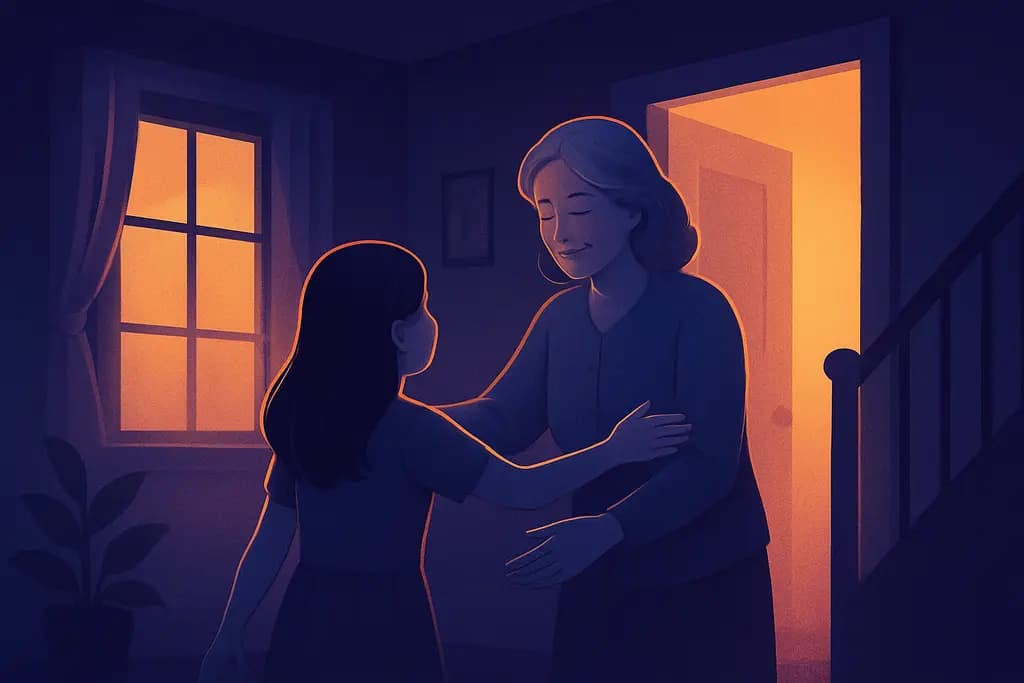
- reuniting with a deceased loved one hugging me: A hug usually indicates acceptance, comfort and emotional healing — this variation often points to closure or the emotional support you need now.
- reuniting with a deceased loved one chasing me: Being chased suggests avoidance or guilt; the dream may be urging you to face unresolved issues rather than running from them.
What to do after such a dream
- Reflect on emotions: write down the feelings, images and details you remember to clarify what the dream highlighted.
- Look at current life situation: connect the dream to recent events, losses, or transitions that may have triggered it.
- Consider relationships, fears and decisions: ask whether old patterns from your childhood home are influencing choices now and what you might change.
- Practice gentle rituals: journaling, visiting meaningful places, or talking with a trusted friend or therapist can help process the dream’s message.
- Allow time: dreams that surface deep attachments often require repeated reflection and gradual integration rather than immediate solutions.