Dream About reuniting with a deceased loved one in bed – Meaning
Category: Family & Children
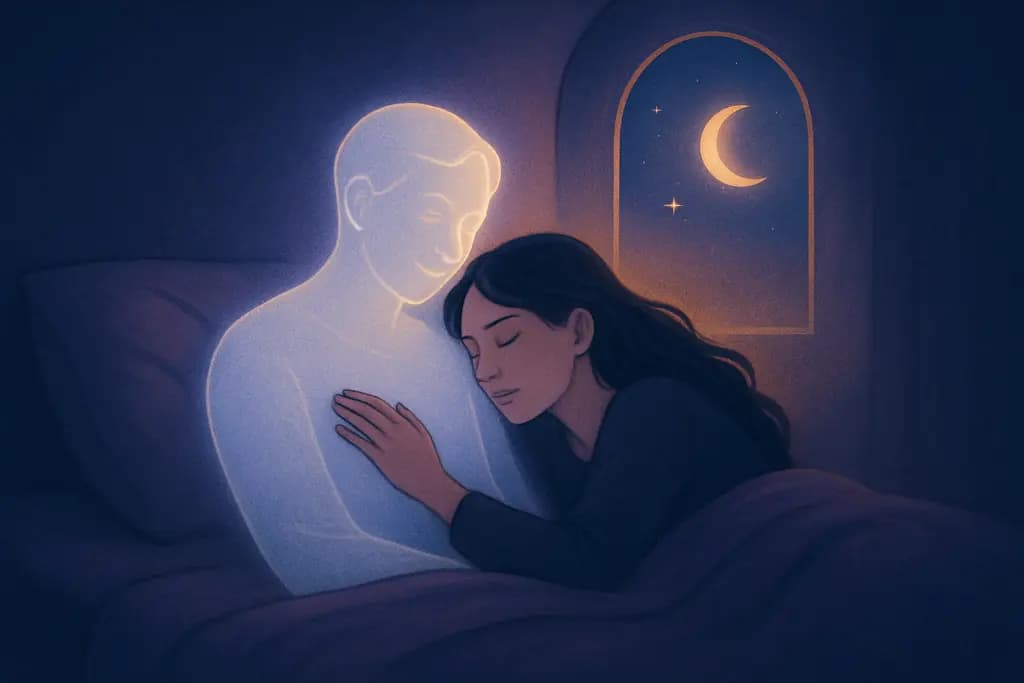
Dreaming about reuniting with a deceased loved one in bed often brings up a mix of comfort and unease. Such dreams place you in an intimate, private setting where emotions and vulnerability are heightened. The meaning depends heavily on how you felt in the dream and the surrounding circumstances.
General meaning of dreaming about reuniting with a deceased loved one in bed
Reuniting with a deceased loved one in bed commonly symbolizes a search for closeness, closure, or a desire to return to a time when you felt safe. The bed is a private, intimate space — in dreams it often represents emotional security, rest, and the boundary between waking life and inner life. When a deceased person appears here, the dream usually brings unresolved feelings into that private space.
Typical interpretations emphasize connection and processing of loss, but the nuance comes from details: whether the encounter felt peaceful, unsettling, warm, or frightening. If the reunion in bed felt nurturing, the dream may be working as a consoling mechanism; if it felt invasive or disturbing, it may signal unresolved tension or unmet needs.
- Longing and unresolved grief: the dream can point to feelings you haven't fully processed.
- Comfort and reconciliation: it may represent inner healing or acceptance.
- Vulnerability and boundary issues: the intimate setting can highlight emotional exposure.
- Transition and integration: the dream can symbolize integrating memories into your present life.
Spiritual meaning of reuniting with a deceased loved one in bed in dreams
Spiritually, such a dream can feel like a direct message or visitation, especially when it carries strong emotions of peace or guidance. Many people interpret these reunions as moments when the veil between worlds feels thin, offering reassurance that love endures beyond physical death.
Different traditions frame this in various ways: some view it as an ancestor’s comfort, others as a sign of ongoing soul connection, and some see it as a prompting to honor unfinished emotional business. Universally, the emphasis is on relationship, continuity, and the soul’s longing for closure or reconciliation.
Psychological interpretation
Fear, stress or anxiety
From a psychological perspective, the dream can surface fears about loss, abandonment, or the unpredictability of life. If the reunion in bed felt tense or frightening, it may reflect anxiety about vulnerability or a worry that unresolved issues with that person remain unresolved.
Relationships and emotional bonds
These dreams often mirror the strength of your bond with the deceased. A warm, consensual reunion may indicate ongoing affection and the mind’s attempt to preserve comforting memories. Strained or confusing encounters can point to guilt, regret, or complicated family dynamics that are still influencing you.
Control, power or vulnerability
Beds are places where power dynamics and personal boundaries are most visible. Dreaming of a deceased loved one in this setting can reveal feelings about control—either a wish to regain closeness you lost or a fear that boundaries are being crossed in some area of your waking life. It may also highlight vulnerability you feel in current relationships or decisions.
Positive meaning
- Healing and acceptance: the dream can signal progress in grieving and emotional integration.
- Comfort and reassurance: feeling safe in the dream may bring ongoing emotional support.
- Renewed connection to values: the encounter can remind you of lessons or strengths the person represented.
- Permission to rest: it can be a psychological cue that it’s okay to take emotional breaks and nurture yourself.
- Motivated life changes: the reunion may inspire constructive choices aligned with the relationship’s positive aspects.
Negative meaning and warnings
- May suggest unresolved guilt or regret that needs attention.
- Can indicate intrusive memories or boundaries being blurred in current relationships.
- Might signal avoidance: using the dream as a retreat rather than addressing real-life issues.
- Can indicate ongoing anxiety if the encounter felt threatening or left you shaken.
- May point to difficulty letting go, which can impede forward movement if not acknowledged.
Common variations of dreams about reuniting with a deceased loved one in bed
- white reuniting with a deceased loved one: White often symbolizes peace, acceptance, or spiritual purity; this variation may feel reassuring and signal inner calm or closure.
- black reuniting with a deceased loved one: Black can suggest grief, the unknown, or unresolved pain; this variation may reflect deeper sorrow or aspects of the relationship that remain shadowed.
- reuniting with a deceased loved one hugging me: A hug typically represents comfort and emotional support; this dream often points to ongoing love and a need for consolation.
- reuniting with a deceased loved one chasing me: Being chased introduces fear and avoidance; this may indicate unresolved conflict, guilt, or an issue you are trying to escape.
- reuniting with a deceased loved one in my childhood house: The childhood home sets the scene in the past and can highlight formative experiences, nostalgia, or unresolved family dynamics tied to that person.
What to do after such a dream
- Reflect on your emotions: note how the dream felt and which details stood out.
- Journal specifics: write down the setting, actions, words, and your reactions to clarify meaning over time.
- Look at your current life situation: connect dream themes to your relationships, stressors, or recent changes.
- Consider relationships, fears, and decisions: ask whether the dream highlights a boundary issue, a choice you’re avoiding, or a need for reconciliation.
- Share with someone you trust: talking about the dream with a friend, family member, or spiritual guide can offer perspective.
- Use symbolic rituals if helpful: small acts like lighting a candle, creating a memory box, or visiting a meaningful place can provide a sense of closure or continuity.
- Monitor patterns: if the dream keeps recurring or affects your daily life, consider exploring it further through reflective practices or community support resources.