Dream About reuniting with a deceased loved one dream meaning – Meaning
Category: Family & Children
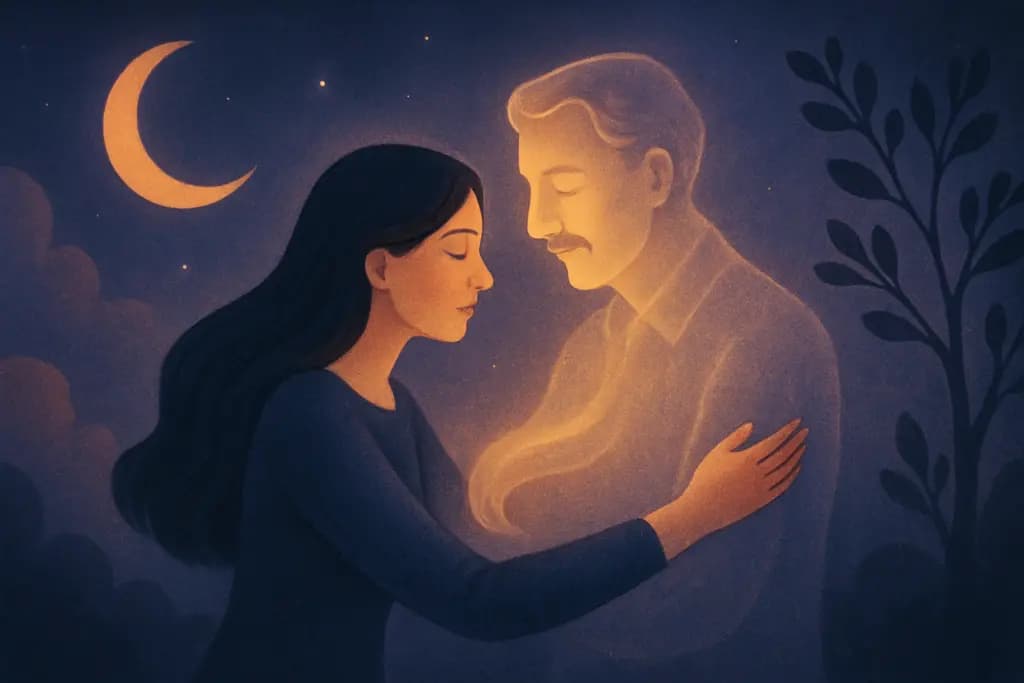
Dreaming about reuniting with a deceased loved one can feel intensely real and emotionally charged. Such dreams often bring comfort, unresolved grief, or a sense of finality, and their meaning shifts depending on your emotions during the dream and the surrounding context. Pay attention to whether you felt peace, fear, relief, or confusion — those feelings shape the interpretation.
General meaning of dreaming about reuniting with a deceased loved one dream meaning
At its core, a dream about reuniting with someone who has died usually reflects ongoing emotional ties and the mind's effort to process loss. These dreams can serve as a bridge between memory and the present self, helping you revisit unresolved conversations, unmet needs, or the warmth of past connection.
Context matters: the setting, what you say or do in the dream, and whether the reunion feels final or temporary all change the message. Common interpretations center on grief processing, inner reconciliation, and guidance — either from your own unconscious or from a sense of the other person's continued presence.
- Closure or continued grief: may help complete emotional business left after the death.
- Comfort and reassurance: can indicate inner healing or a need for support.
- Unresolved issues: might point to regrets, guilt, or things unsaid.
- Transition and acceptance: often accompanies moving into a new life chapter.
Spiritual meaning of reuniting with a deceased loved one dream meaning in dreams
Spiritually, many people interpret reunions with deceased loved ones as encounters with the soul or a message from beyond. In broadly held beliefs, such dreams are seen as comforting signs that the bond persists beyond physical death, or as visits meant to guide, reassure, or complete unfinished emotional work.
Different traditions frame these experiences in varied ways — some view them as ancestral guidance, others as visits from the departed soul, and many psychological-spiritual approaches see them as symbolic meetings with a part of yourself. Across viewpoints, the emotional tone of the dream is key: peaceful reunions suggest blessing or closure; disturbing reunions may call for inner work.
Psychological interpretation
Fear, stress or anxiety
When the dream is frightening or leaves you anxious, it can reflect current fear or stress projecting onto the image of the deceased. Your mind may use the familiar figure to dramatize worries about change, loss, vulnerability, or mortality.
Relationships and emotional bonds
Reuniting in a dream often mirrors the strength and complexity of your emotional ties to that person. It can reveal longing, unmet needs, deep affection, or continuing dependence — and it may highlight how those patterns influence your present relationships.
Control, power or vulnerability
If the reunion involves feelings of powerlessness or being controlled, the dream may symbolize struggles with autonomy or boundaries tied up with that relationship. Conversely, experiencing support or protection can indicate regained inner strength or a healthier integration of the past into your present self.
Positive meaning
- Healing and comfort: may signal that you are processing grief and finding peace.
- Reconnection with love: reminds you of enduring affection and cherished memories.
- Guidance and intuition: can indicate inner wisdom or a renewed sense of purpose.
- Personal growth: suggests integration of past experiences that fosters maturity.
- Strength to move forward: offers emotional resources to face current challenges.
Negative meaning and warnings
- May suggest unresolved guilt or regret that still needs attention.
- Can indicate avoidance: using memories as a way to escape present responsibilities.
- Might point to unresolved attachment patterns that hinder current relationships.
- May signal unprocessed trauma or ongoing grief that benefits from compassionate work.
All of these are possibilities rather than certainties; the dream's emotional texture and your waking situation help determine relevance.
Common variations of dreams about reuniting with a deceased loved one dream meaning
- white reuniting with a deceased loved one: Seeing white often conveys purity, peace, or spiritual clarity; this variation may feel like blessing, acceptance, or a gentle release.
- black reuniting with a deceased loved one: Black imagery can represent unresolved fear, intense grief, or the unknown; it may indicate shadow feelings that need attention.
- reuniting with a deceased loved one hugging me: A hug usually signals comfort, reassurance, or restored connection — often a sign of emotional healing or longing for closeness.
- reuniting with a deceased loved one chasing me: Being chased can reflect avoidance, guilt, or nagging unfinished business related to that person or what they represent.
- reuniting with a deceased loved one in my childhood house: A childhood home ties the reunion to formative memories, identity, and long-standing family dynamics that still shape you.
- reuniting with a deceased loved one in bed: Intimate settings like a bed can indicate deep emotional needs, vulnerability, or unresolved issues around care and closeness.
- many deceased loved ones reuniting with me: Multiple reunions may point to a period of intense mourning, a need to process collective loss, or a symbolic reckoning with multiple aspects of your past.
- dream about reuniting with a deceased loved one: The general form emphasizes connection and the heart's need to reconcile memory with present life; focus on feelings to interpret the dream.
- reuniting with a deceased child dream meaning: Reuniting with a deceased child often carries heightened grief, protection themes, and strong longing; it may signal ongoing mourning or a need to honor that child's memory in your life.
What to do after such a dream
- Reflect on emotions: Write down how you felt during and after the dream to clarify what it stirred up.
- Review context: Note details — location, actions, words — to see which life areas are connected.
- Consider relationships: Ask whether the dream highlights unresolved conversations, forgiveness, or gratitude you may want to express symbolically.
- Examine fears and decisions: Use the dream as a prompt to address avoidance, make conscious choices, or seek support.
- Practice gentle rituals: Lighting a candle, keeping a memory box, or creating a small tribute can help integrate the experience.
If the dream leaves you deeply unsettled or stuck in grief, consider reaching out to a trusted friend, spiritual advisor, or grief counselor for compassionate support.