Dream About Reuniting with a Deceased Loved One – Meaning
Category: Family & Children
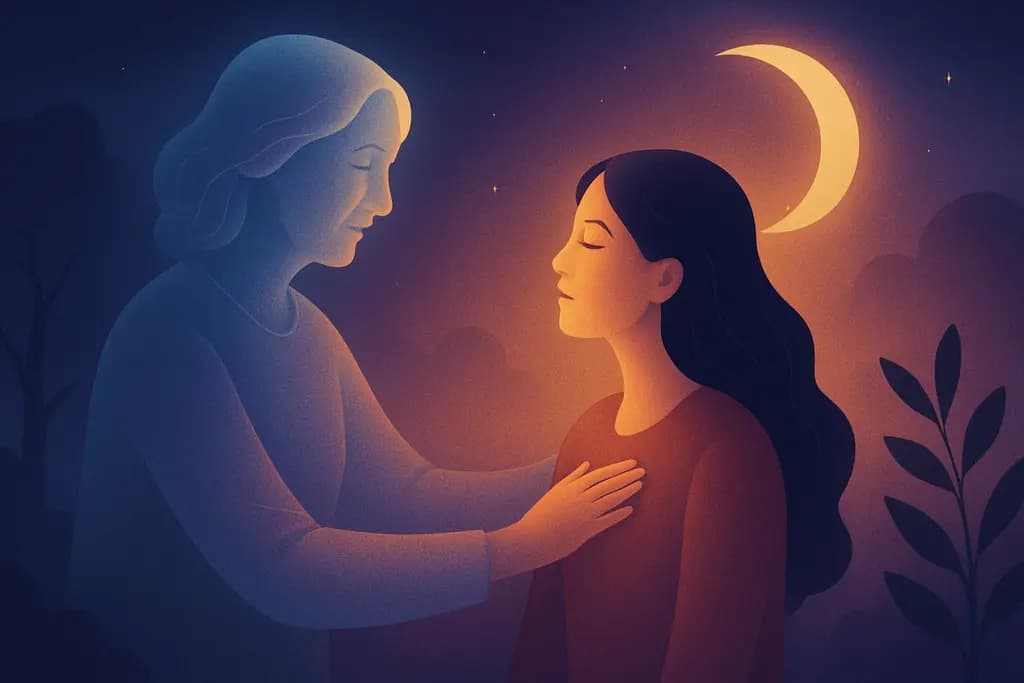
Dreaming of reuniting with a deceased loved one can feel intensely real and emotionally charged. Such dreams often bring comfort, confusion, or unresolved feelings to the surface. The meaning changes depending on how you felt in the dream and the specific context around the reunion.
General meaning of dreaming about Reuniting with a Deceased Loved One
At the core, a dream about reuniting with someone who has died symbolizes connection across loss: it can be a reflection of your ongoing bond, a stage in grieving, or a mental processing of memories. These dreams are rarely literal visitations; they tend to use the person as a symbol for emotions, unfinished business, or acceptance.
Common interpretations include revisiting past roles, seeking closure, or receiving emotional support from an internalized image of that person. The tone of the reunion—peaceful, tense, brief, or long—shapes the likely meaning.
- Continuing bond: an ongoing emotional connection that persists after death
- Closure and forgiveness: opportunities to resolve unresolved issues
- Guidance or reassurance: feeling supported during life changes
- Reflection of grief: processing loss, especially around anniversaries or triggers
- Memory consolidation: your mind working through shared experiences
Spiritual meaning of Reuniting with a Deceased Loved One in dreams
Spiritually, these reunions are often interpreted as encounters with energy, soul presence, or symbolic messages. Many traditions see such dreams as comforting visits from a loved one’s spirit, a sign they are at peace, or a nudge from your spiritual self to pay attention to emotional healing.
Different faiths and paths frame these dreams in varied ways—Christianity may interpret them as comforting encounters or prayers answered, while some Eastern and indigenous views read them as visits from ancestral guidance. Universally, the spiritual framing emphasizes connection, continuity, and the possibility that love persists beyond physical life.
Psychological interpretation
Fear, stress or anxiety
If the reunion felt frightening or unsettling, the dream may be processing anxiety about loss, mortality, or a current stressful situation. Fear in the dream can mirror worries about repeating past mistakes or facing responsibilities you associate with the deceased.
Relationships and emotional bonds
A tender or affectionate reunion usually reflects continuing attachment and the lasting impact that person had on your emotional life. It can highlight what you still value in relationships—care, protection, or the part of you they helped shape.
Control, power or vulnerability
Dreams where power dynamics shift—feeling diminished, overwhelmed, or unexpectedly in charge—might reveal feelings of vulnerability or unresolved control issues tied to that relationship. Reuniting may bring up old family patterns around authority, dependence, or the need to assert independence.
Positive meaning
- Emotional healing and integration after loss
- Renewed sense of comfort, protection, or inner strength
- Closure that allows you to move forward with less grief
- Inspiration or guidance for a current life decision
- Reaffirmation of meaningful values and family bonds
Negative meaning and warnings
- May suggest unresolved grief or avoidance of mourning responsibilities
- Can indicate lingering guilt, regret, or unfinished conversations
- May point to clinging to the past instead of engaging with present opportunities
- Can indicate emotional dependency that limits personal growth
Common variations of dreams about Reuniting with a Deceased Loved One
- Reuniting with a deceased parent: Often touches on safety, authority, and childhood patterns; can highlight needs for guidance or boundary-setting.
- Reuniting with a deceased child: Deeply emotional; may reflect protective instincts, unresolved grief, or worries about caretaking roles.
- Reconciliation after argument: A dream where you make amends may signal a desire for closure and inner forgiveness.
- Seeing the deceased as young or healthy: Suggests memory preservation and idealization; you may be comforting yourself with how you remember them.
- Receiving a message or advice: If the loved one speaks guidance, this can represent your inner wisdom or decisions you’re weighing.
- Saying goodbye or letting go: A peaceful farewell often indicates acceptance and progress in grieving.
- Being the child in the dream with the deceased parent: Can expose unmet childhood needs or a wish to revisit simpler emotional states.
- Attending a family gathering with the deceased present: May highlight family dynamics, roles you inherited, or unresolved family tensions.
What to do after such a dream
- Reflect on emotions: Note how you felt during and after the dream—comforted, anxious, relieved, or unsettled.
- Journal details: Write down vivid images, words, or actions; these clues help reveal personal meanings.
- Look at current life context: Consider recent changes, anniversaries, or stressors that might trigger the dream.
- Reconnect with support: Talk with a trusted friend, family member, or grief group if the dream brings up strong feelings.
- Honor the memory: Small rituals—lighting a candle, visiting a meaningful place, or writing a letter—can help process feelings.
- Consider boundaries: If the dream points to dependency or unresolved conflict, think about steps toward healthier relationships and self-care.
These steps can help you translate the emotional content of the dream into practical, compassionate action in your waking life.