Dream About Returning to your childhood hometown – Meaning
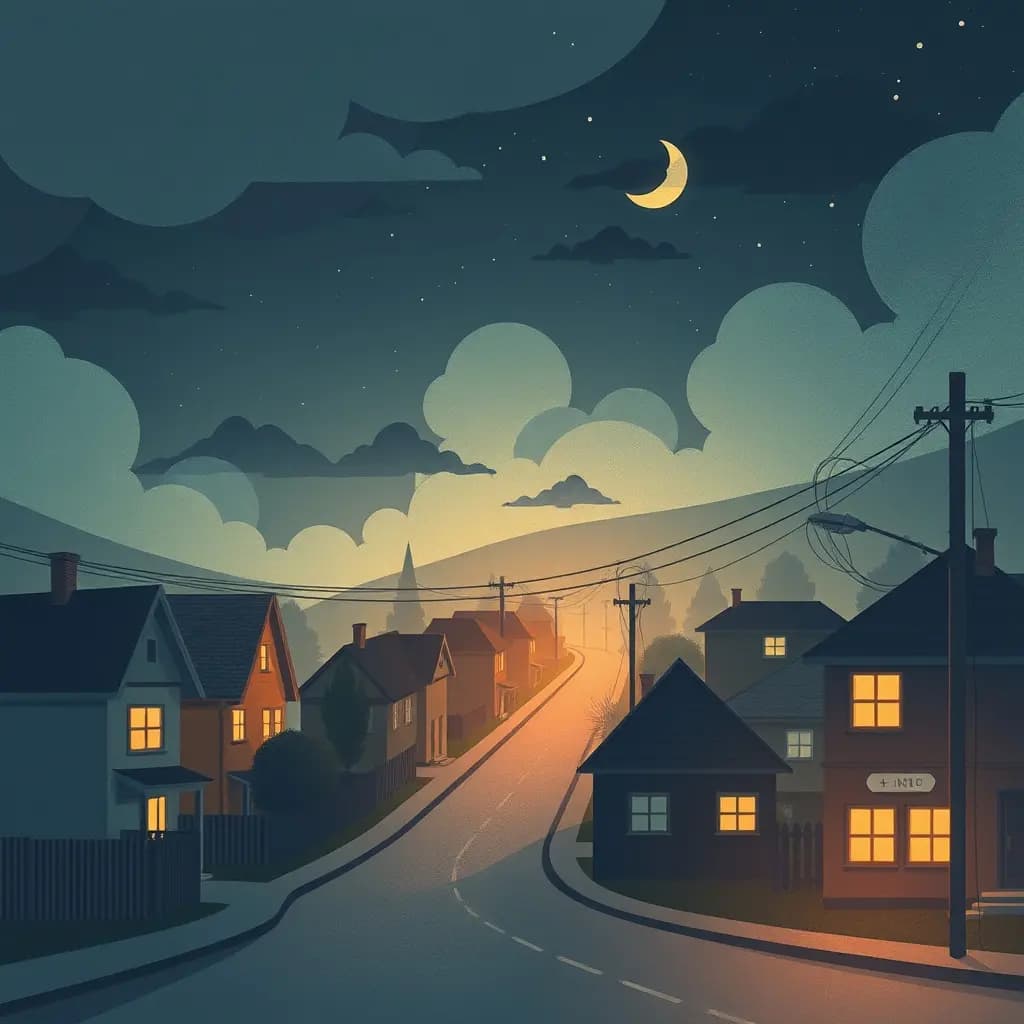
Category: Places
Dreaming about returning to your childhood hometown often brings a powerful mix of nostalgia and unresolved emotion. Such dreams can surface when your inner life is asking you to examine origins, safety, or parts of yourself that formed long ago. The exact meaning depends heavily on how you felt in the dream and the specific context around the return.
General meaning of dreaming about Returning to your childhood hometown
At its core, a dream about returning to your childhood hometown points to roots, identity and the past's ongoing influence. This symbol commonly signals a need to reconnect with early values, memories, or relationships that shaped who you are now. It can be comforting and stabilizing, or it can highlight unresolved issues you may have been avoiding.
These dreams frequently appear during times of life transition — career changes, relationship shifts, or personal growth phases — when you unconsciously compare present choices with childhood expectations. They invite reflection on which parts of your origin story still serve you and which you may need to revise.
- Reconnection with identity and origins
- Nostalgia, longing, or comfort
- Unresolved family dynamics or childhood trauma
- A search for simplicity, stability, or belonging
Spiritual meaning of Returning to your childhood hometown in dreams
Spiritually, returning to your childhood hometown can represent a soul-level pilgrimage back to foundational lessons. Many traditions view such dreams as invitations to integrate earlier experiences into current spiritual growth — to honor past wounds and glean strength from early resilience.
In Jungian and archetypal frameworks this dream may evoke the ‘anima/animus’ or the inner child, signaling a process of inner reconciliation. In broader spiritual terms, it can also indicate reconnecting with ancestral lines, energetic roots, or karmic patterns that are ready to be acknowledged and transformed.
Psychological interpretation
Fear, stress or anxiety
If the dream feels anxious or frightening, it can reflect current stress triggering childhood fears. You may be re-experiencing feelings of vulnerability, scarcity, or helplessness that first emerged in early life. The hometown setting acts as a mirror, showing how past coping patterns surface when you feel pressured now.
Relationships and emotional bonds
Dreaming of your childhood hometown often highlights family ties and long-term relationships. Warm, nostalgic dreams can show unresolved affection or a desire for reconnection, while tense dreams may point to unresolved conflict, unmet needs, or patterns of attachment that still influence present relationships.
Control, power or vulnerability
Returning to a place where you once had less control can reveal issues around autonomy and power. Feeling diminished or constrained in the dream may suggest that old dynamics — like people-pleasing or fearing authority — are reasserting themselves. Conversely, feeling empowered in the hometown can signal healing and reclaimed agency.
Positive meaning
- Healing and integration of the inner child
- Rediscovery of core values and life purpose
- Reconnection with supportive relationships or community
- Closure on past issues and emotional reconciliation
- Creative inspiration drawn from formative memories
- Opportunity to reassess life direction with greater clarity
Negative meaning and warnings
- May suggest unresolved trauma or painful family patterns that need attention
- Can indicate avoidance: returning mentally to the past instead of engaging with present challenges
- May point to stagnation or fear of change if the dream repeatedly emphasizes sameness
- Can indicate guilt, regret, or unmet expectations from upbringing that influence current choices
Common variations of dreams about Returning to your childhood hometown
- Visiting your childhood house: Often focuses on personal history and private memories; details in the house (locked rooms, restored rooms) reveal what parts of your past are open or hidden.
- Walking down your old street: Highlights social memories and neighborhood dynamics; may point to how early community shaped your sense of belonging.
- Returning as your younger self: Suggests a strong inner-child theme — a need to nurture, protect, or speak for that younger part of you.
- Finding the hometown changed or unfamiliar: Can indicate current life changes or a sense that your past no longer fits who you are; may be about growth or loss.
- The hometown is abandoned or damaged: May reflect feelings of neglect, unresolved grief, or a sense that parts of your past were cut off or harmed.
- Reuniting with childhood friends or neighbors: Focuses on relationship patterns and how peer influences shaped your identity; could signal reconciliation or reevaluation of old ties.
- Searching for a specific place from childhood: Points to a search for meaning, missing pieces of identity, or a desire to retrieve lost parts of yourself.
What to do after such a dream
- Reflect on emotions: Journal the feelings the dream stirred and note any vivid symbols or people.
- Look at current life situation: Ask how the dream relates to recent changes, stresses, or decisions.
- Explore relationships: Consider whether the dream highlights people or patterns that need conversation, boundaries, or healing.
- Reconnect purposefully: If the dream felt positive, think about small ways to bring childhood strengths or values into daily life.
- Seek support for deeper issues: If unresolved trauma or intense emotions arise, consider talking with a trusted friend, spiritual advisor, or mental health professional for guidance.
- Use creative practices: Drawing, visiting old photos, or making a memory map can help integrate insights without getting overwhelmed.
Remember that dreams are symbolic, not literal instructions. Use them as tools for self-understanding and compassionate action rather than strict predictions.